Sukeban
Definition
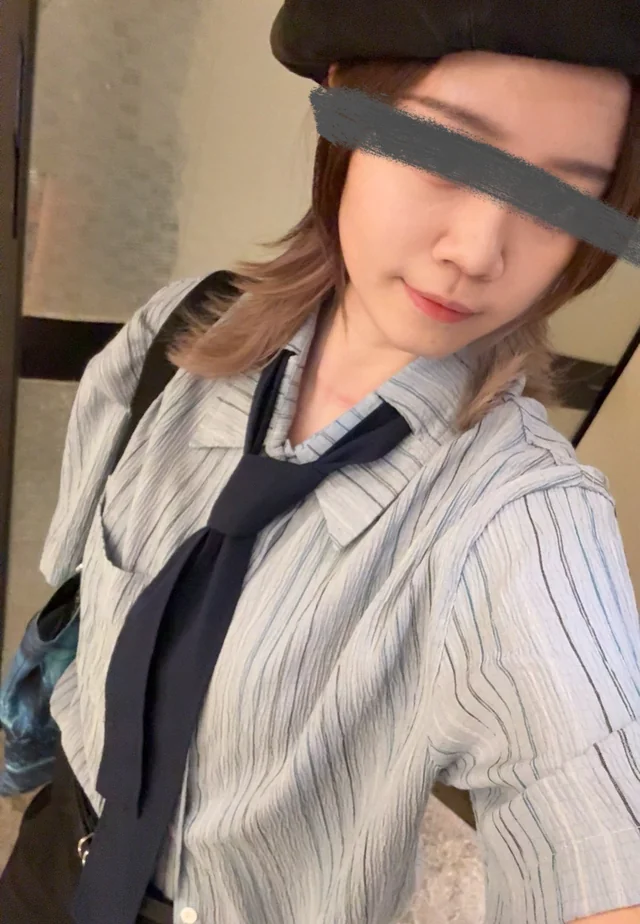
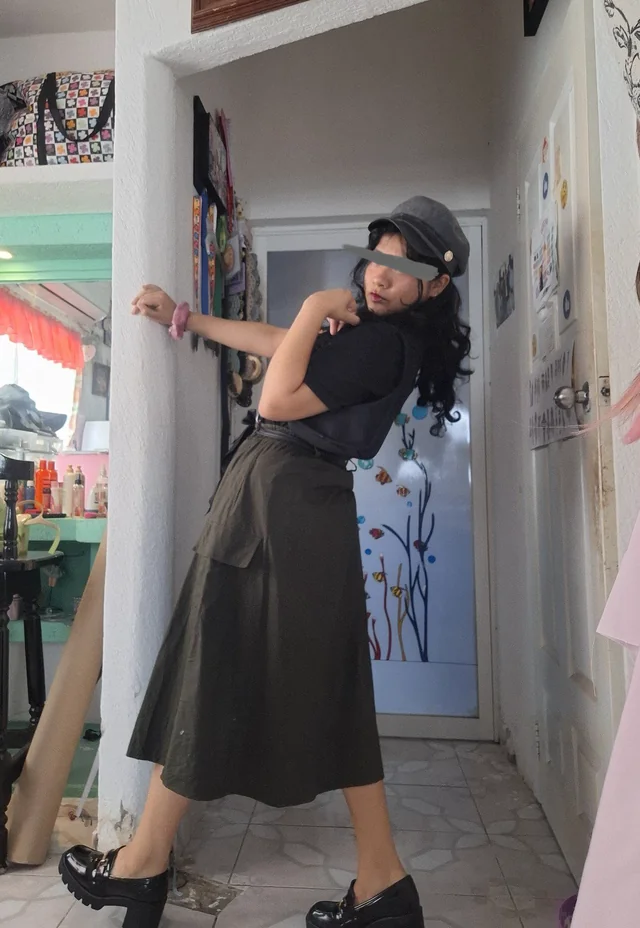
Sukeban (roughly "girl boss," from suke, slang for girl, plus banchō, delinquent gang leader) denotes both the leader of a Japanese delinquent girl gang and the gangs themselves. They emerged in the late 1960s as the female counterpart to the all-male banchō gangs, which refused women members, and the term entered general usage around 1972. Sartorially, sukeban is a grammar of school-uniform subversion. The sailor seifuku is retained but denatured: skirts are lengthened to ankle length against the prevailing miniskirt, blouses are cropped or rolled to bare the midriff, and collars and coats are embroidered with roses and defiant kanji slogans. This DIY customization was contemporaneous with British punk and is often compared to it. Toei's early-1970s films and the Sukeban Deka manga and television franchise sensationalized the subculture. It declined through the 1980s into successor styles and survives today primarily through cinema, manga, and fashion editorial revivals.
Visual Grammar
Silhouette
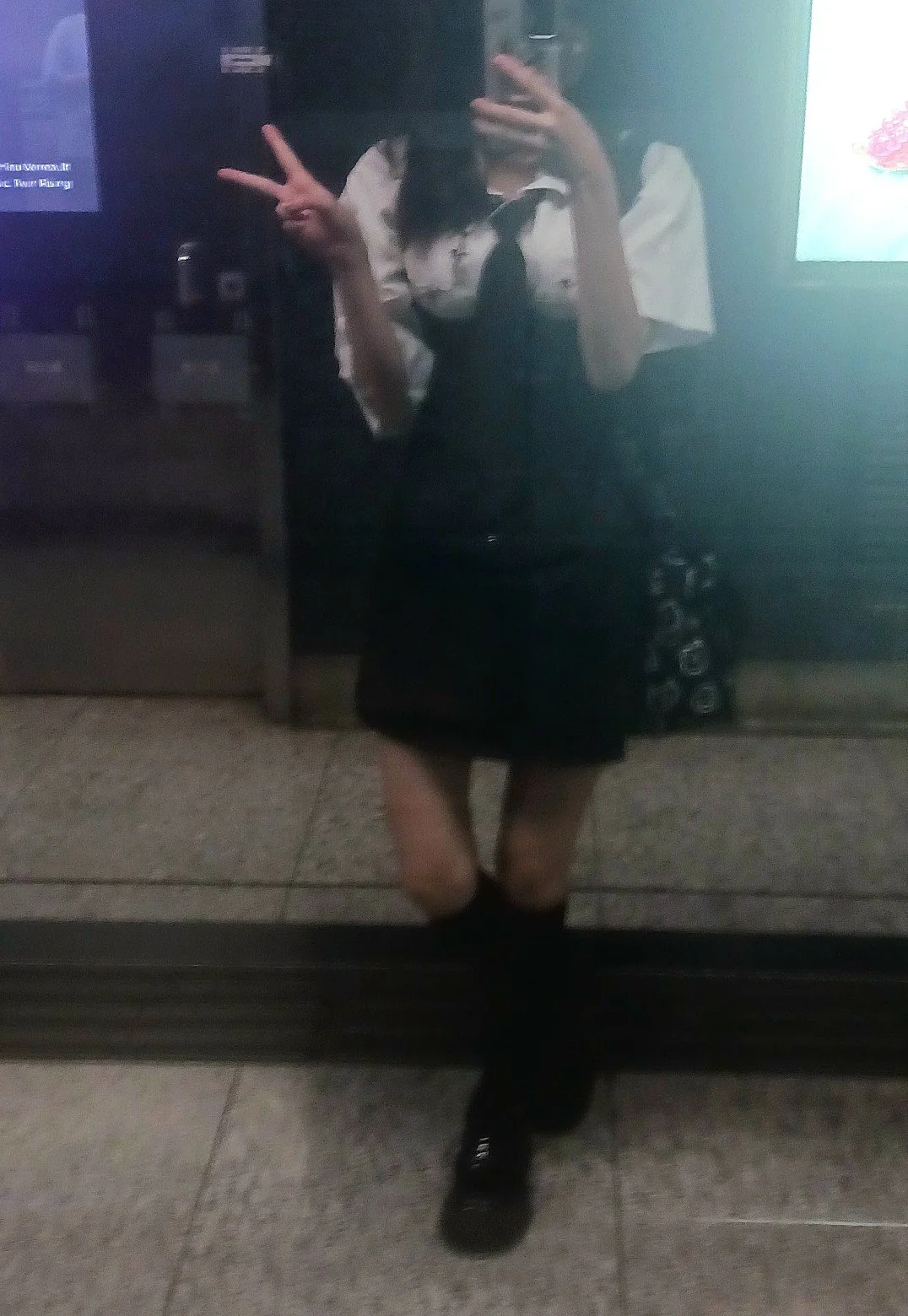
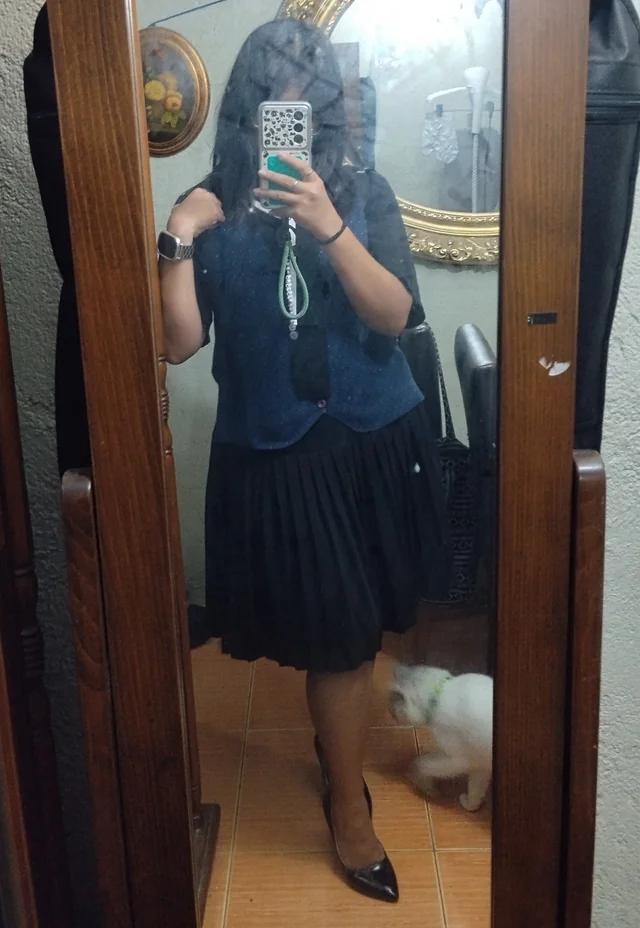
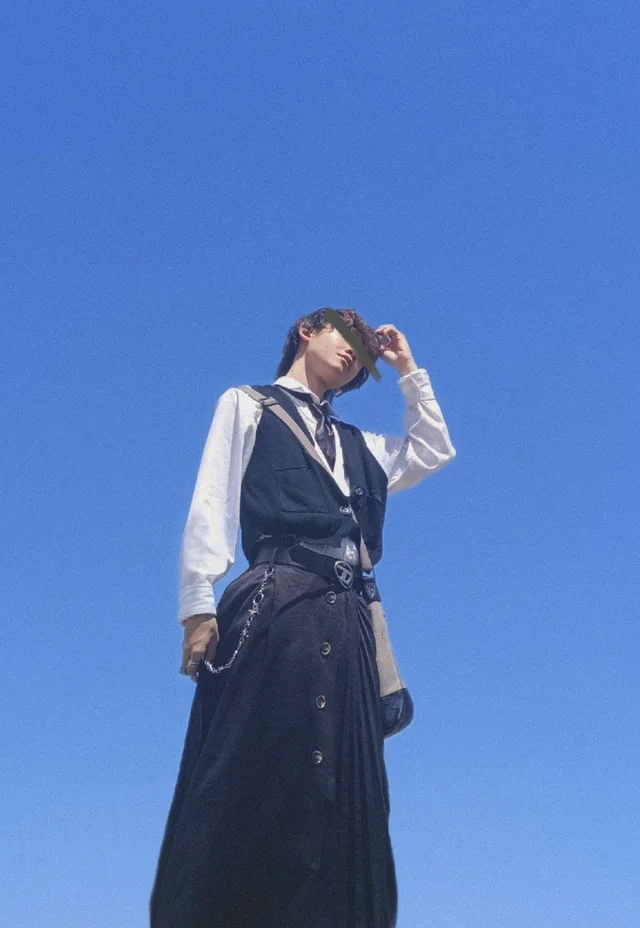
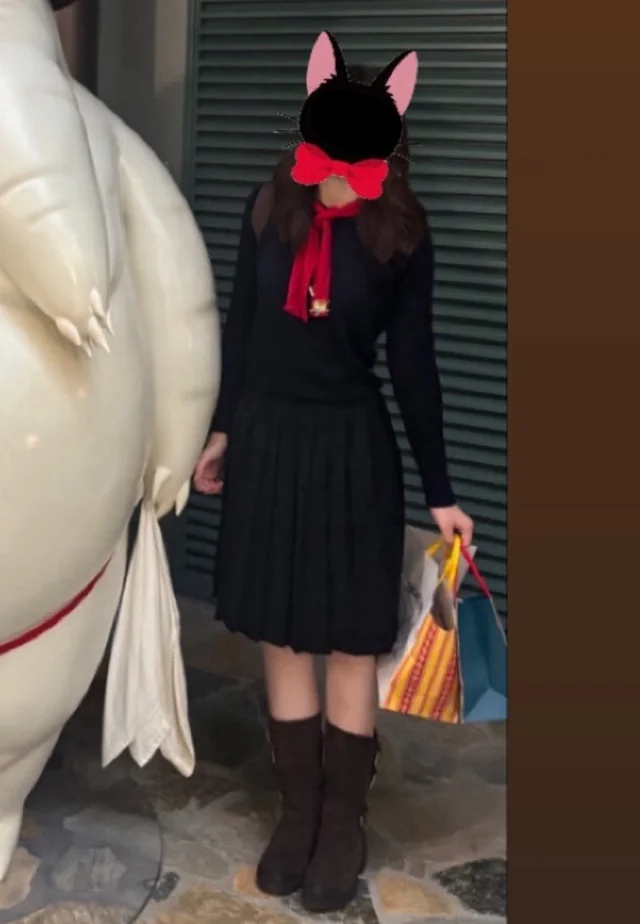
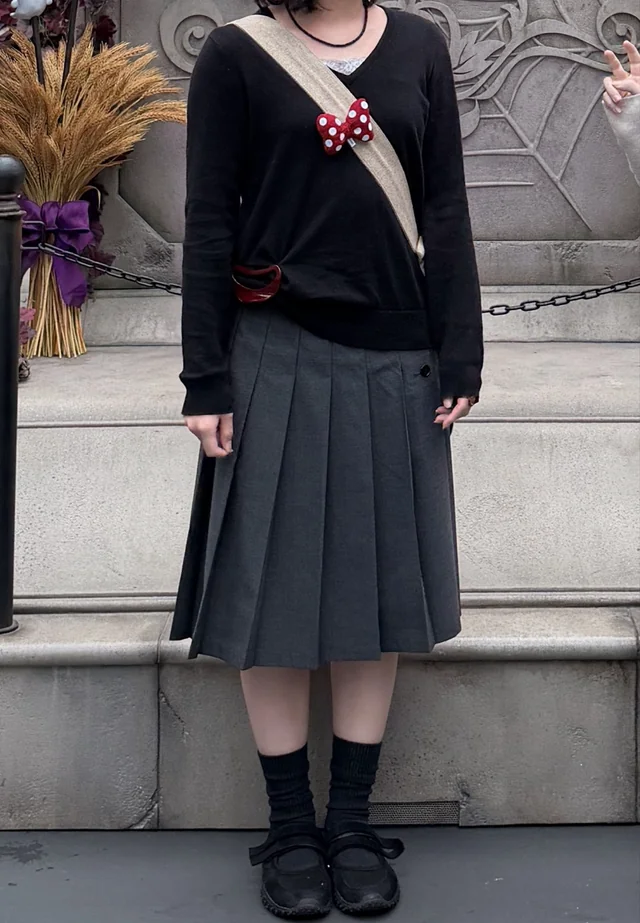
- long ankle-to-mid-calf pleated skirt under a boxy sailor-collared top, the defining proportion
- cropped or rolled sailor blouse exposing the midriff above a high-waisted long skirt
- column-like covered lower body deliberately opposing the era's miniskirt trends
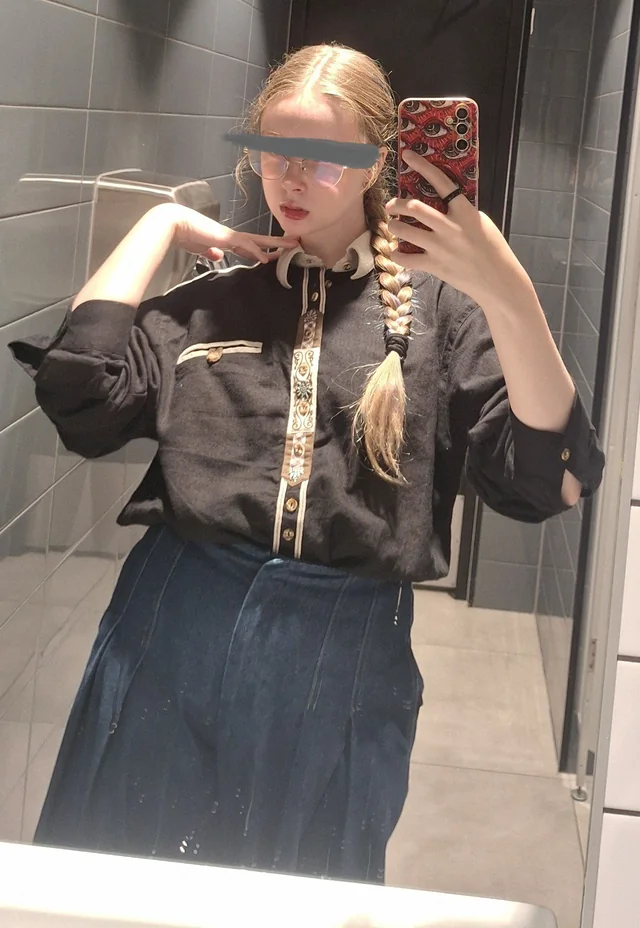
- long embroidered coat worn open over the uniform
Materials
- standard school-uniform serge and cotton, institutional cloth customized rather than luxury fabric
- embroidery thread for roses, gang names, and kanji slogans on collars, skirts, and coats
- bandanas and scarves worn loose or unknotted
Construction
- scissored-and-restitched sailor collars
- hems let down or panels added to lengthen skirts
- hand embroidery applied by the wearer rather than by a manufacturer
- rolled sleeves and colored socks replacing regulation white
Colors
- navy and black uniform base with white sailor trim
- red accents in embroidery thread, scarves, and roses
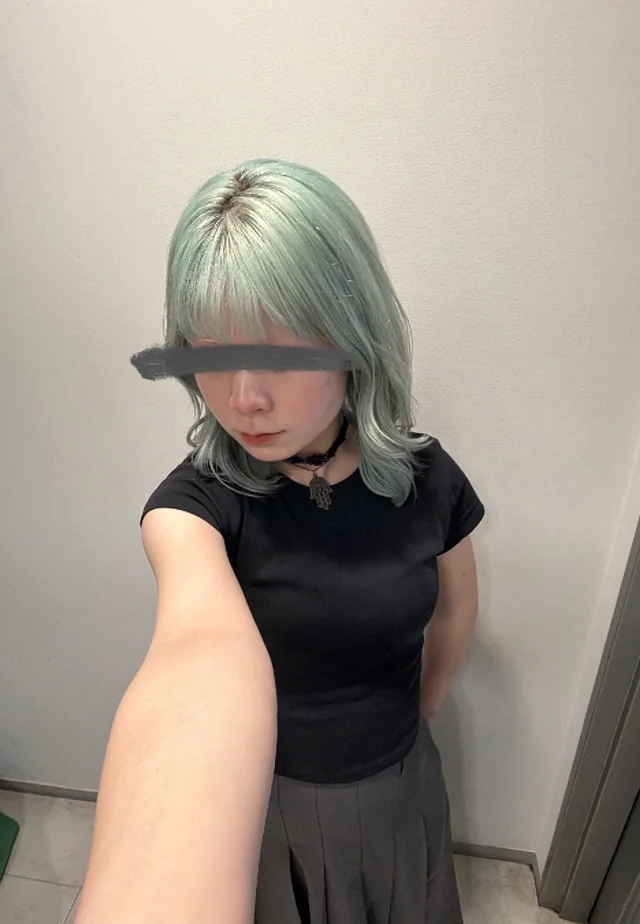
- brightly dyed or permed hair as a color signal against uniform darkness
Footwear
- canvas sneakers (Converse-style) replacing regulation loafers
- loose, slouched socks
Body Logic
The outfit is built top-down as a uniform worn wrong. Hair is permed or lightened and the eyebrows are plucked to a thin, hard line, with otherwise minimal makeup. The sailor top is cropped or rolled to break the uniform at the natural waist. Below it, an ankle-length pleated skirt conceals the legs, inverting the short hemline of the era. Volume sits low and loose. The torso reads institutional and the length reads defiant, and outerwear serves as a canvas for embroidered slogans across the back and collar.
Exemplars
- 01
Saki Asamiya (Sukeban Deka)1975-1987
The yo-yo-wielding heroine of Shinji Wada's manga (serialized 1975-1982) and the 1985-87 television series, played on TV by idol Yuki Saito. She is the mass-media crystallization of sukeban imagery.
- 02
Reiko Ike and Miki Sugimoto1971-1974
Stars of Toei's early-1970s films, including Girl Boss Guerilla (1972) and the Terrifying Girls' High School series (1972-73), which fixed the screen image of the sukeban.
- 03
Reiko Oshida1970-1971
Lead of all four Toei Delinquent Girl Boss films, the earliest wave of sukeban cinema.
- 04
Makoto Kino / Sailor Jupiter1992-present
The Sailor Moon character whose long skirt and tough reputation preserve documented sukeban visual coding for later generations.
Timeline
late 1960s
The first sukeban gangs form as the female counterpart to banchō gangs, which excluded girls.
1972
The term sukeban crosses from delinquent slang into general Japanese usage.
1970-1973
Toei's film cycle, comprising the Delinquent Girl Boss series, Girl Boss Guerilla, and the Terrifying Girls' High School series, sensationalizes the subculture on screen.
mid-1970s
Peak of the real subculture, with gang hierarchies, alliances, and strict internal codes. Shinji Wada's Sukeban Deka manga begins serialization in 1975.
1985-1987
The Sukeban Deka television series turns the look into idol-fronted pop culture just as the street subculture fades.
1980s decline
Members age out amid police pressure. The culture's descendants continue in yankī style and all-female "ladies" motorcycle clubs.
2004-present
The imagery persists through film and anime and returns in fashion editorial, including Western rediscovery from the mid-2010s.
References
- 01Healy, Claire Marie. "Remembering Japan's badass 70s schoolgirl gangs." Dazed, November 5, 2015.
- 02Weinstock, Tish. "How Sukeban Is Redefining the Japanese Concept of Delinquent Girl Gangs." i-D, August 23, 2017.
- 03"Sukeban Fashion: The Girl Gang Rebellion in School Uniforms." Yokogao Magazine.
- 04Miller, Laura, and Jan Bardsley (eds.). Bad Girls of Japan. Palgrave Macmillan, 2005.