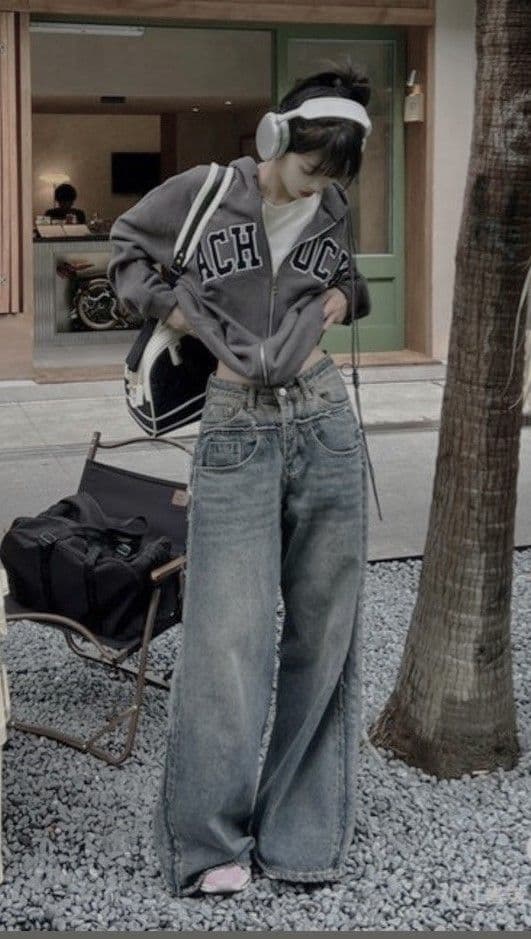
Acubi
Korean Gen Z answer to Y2K maximalism: neutral-toned minimalism with subversive details, oversized silhouettes balanced with fitted layers, comfort elevated to aesthetic principle
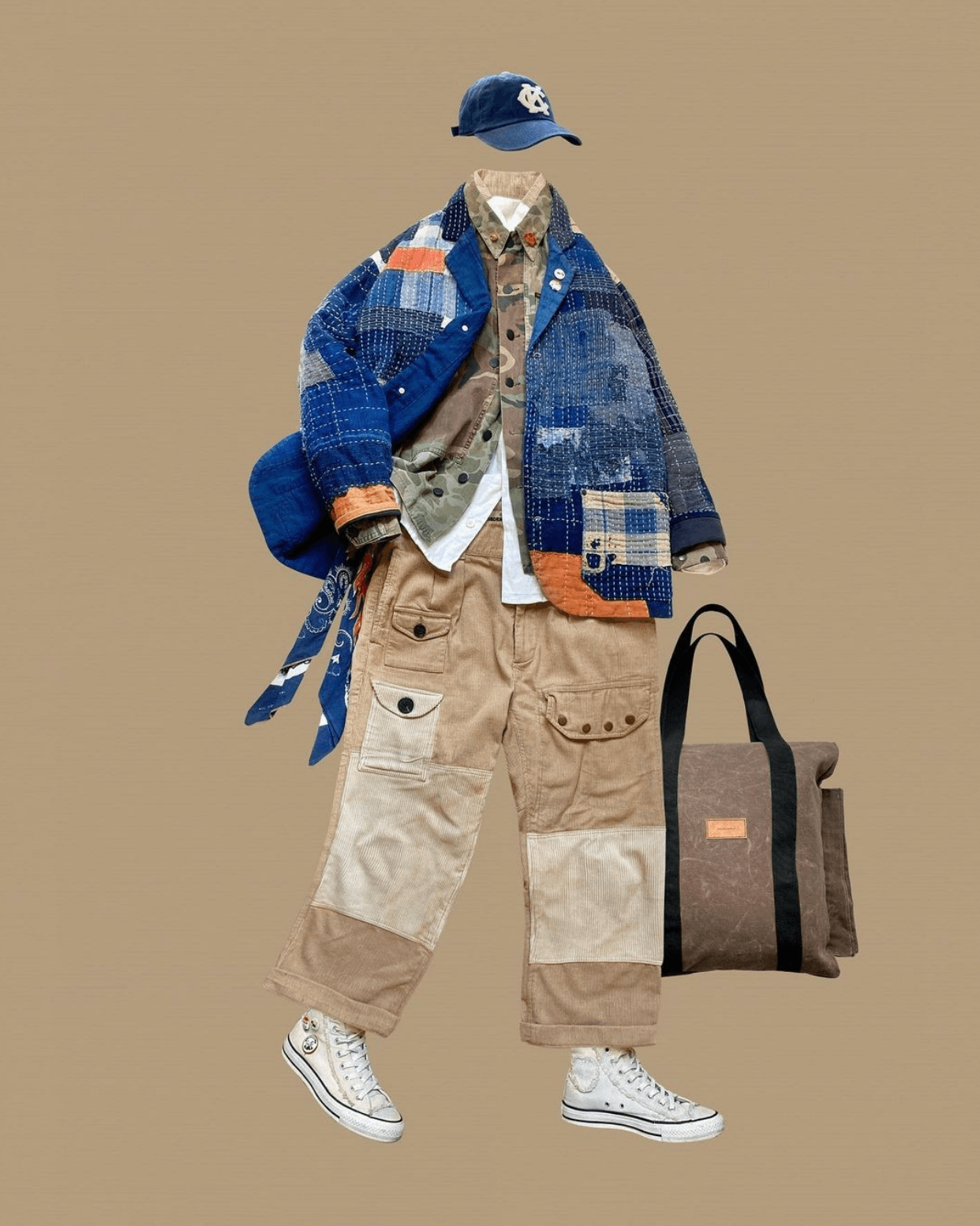
Amekaji
Japan's meticulous love letter to mid-century American workwear: heavyweight selvedge denim, reproduction chore coats, and shuttle-loom fade patterns, craft elevated to devotion
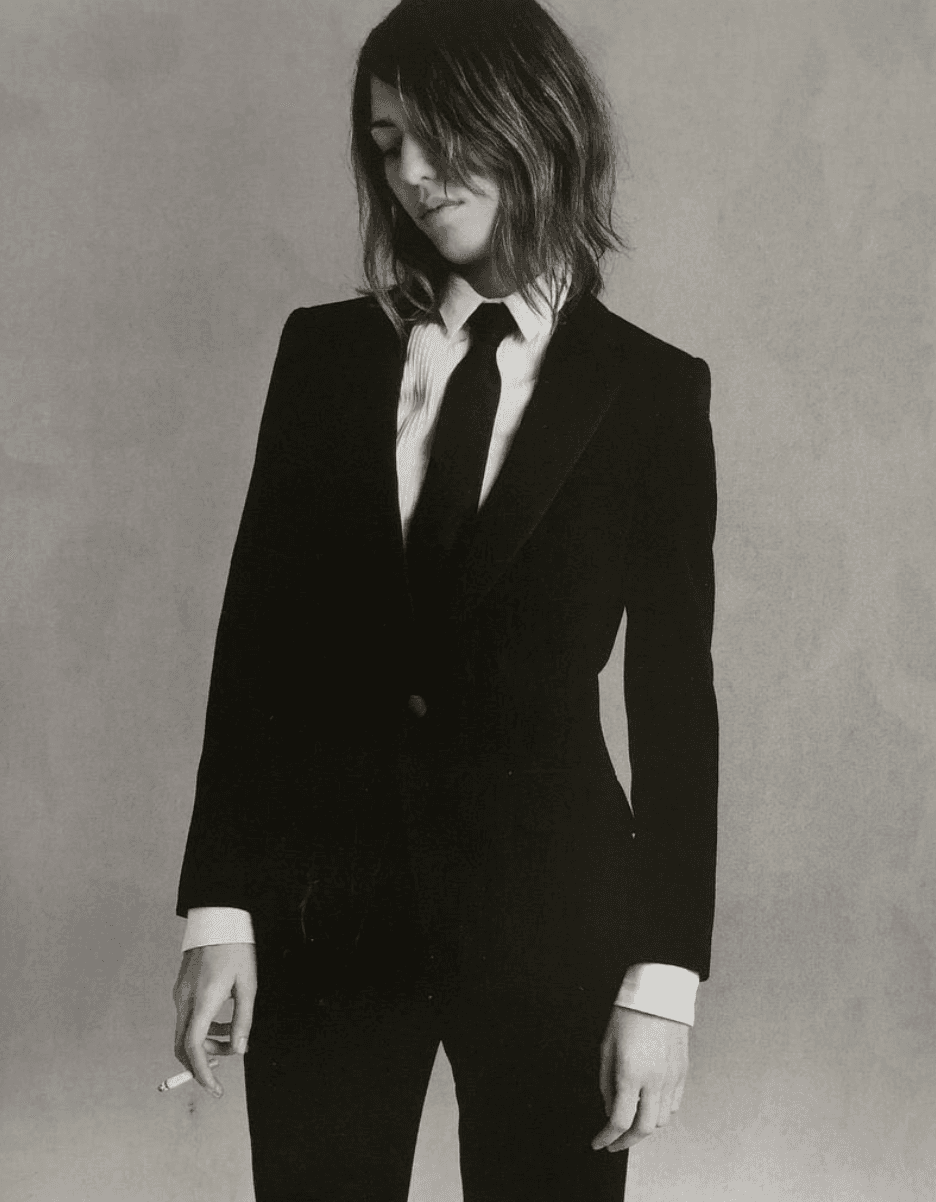
Androgyny
Fashion's longest-running refusal of gendered construction: oversized tailoring with dropped shoulders and straight seams, the body treated as neutral armature
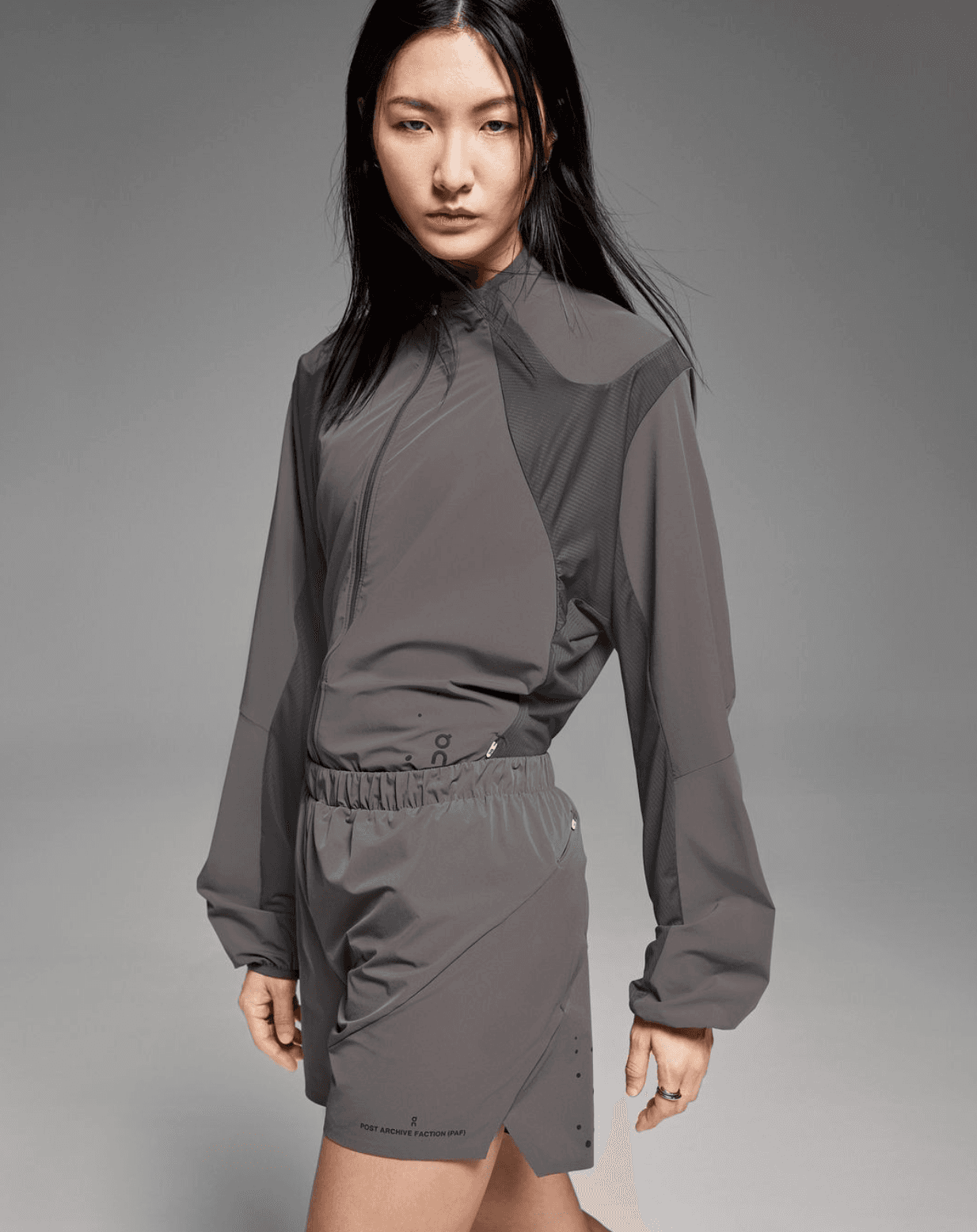
Athleisure
Wellness culture's quiet takeover of the everyday wardrobe: compression leggings, tapered joggers, and technical stretch knits, performance wear recast as lifestyle uniform
Ballhog
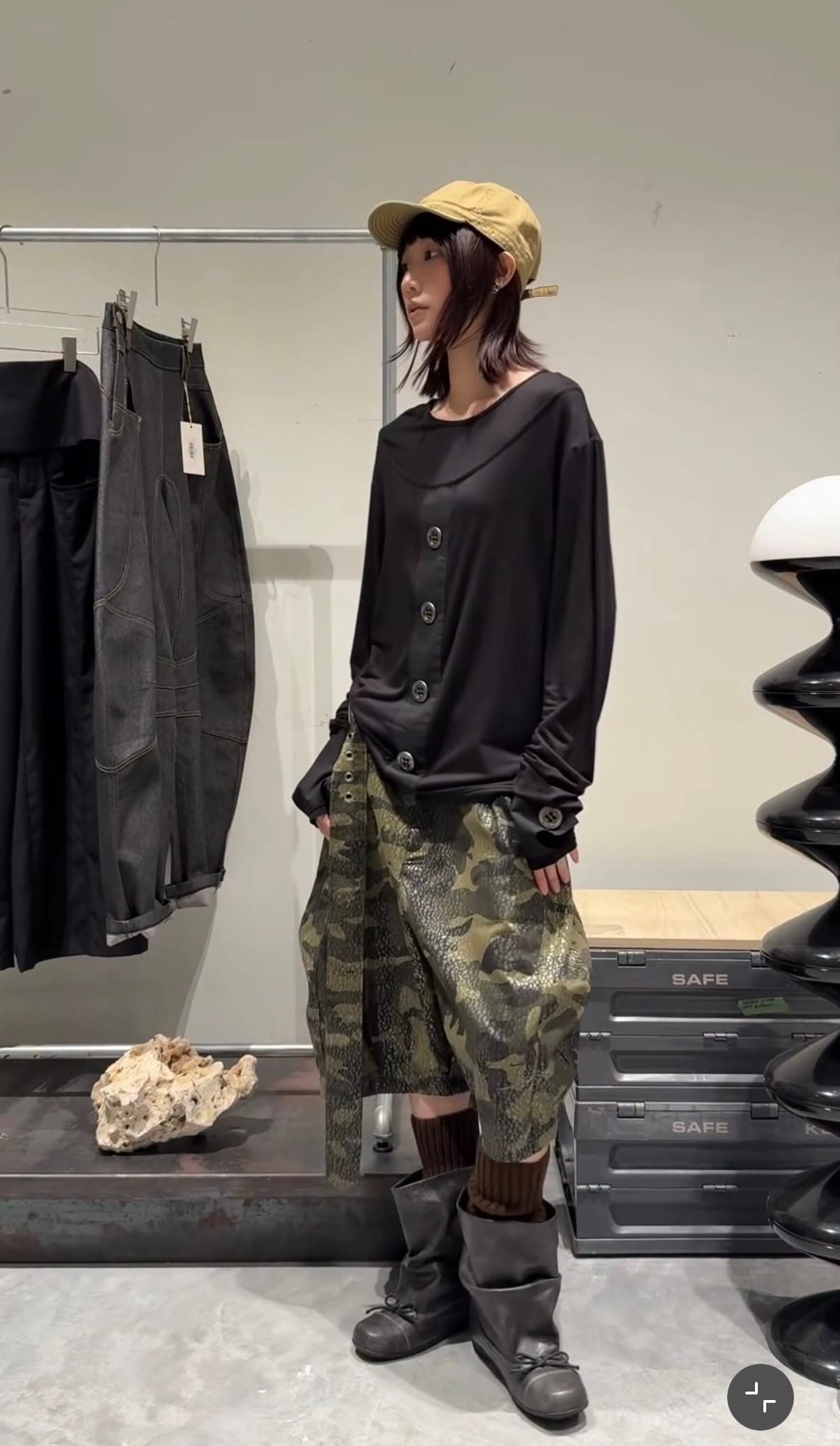
2000s Japanese archive streetwear worn logo-forward: Number (N)ine tees and chains, Undercover and Dior Homme denim, Hysteric Glamour puffers, and Chrome Hearts silver, revived by TikTok's archive collectors
Baroque
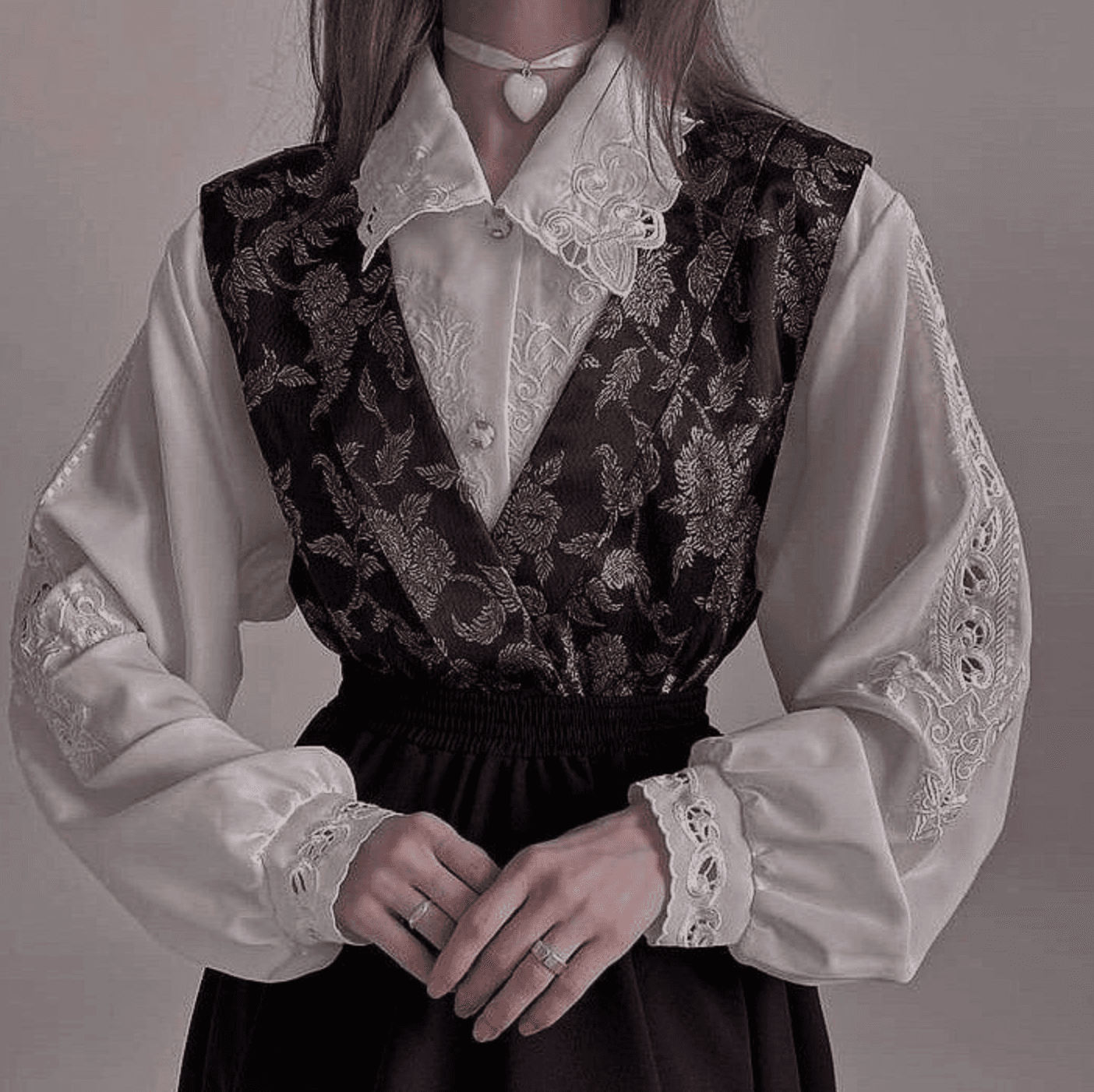
Versailles court culture's enduring maximalist legacy: gold brocade, jewel-toned velvet, and sculptural volume, ornament wielded as an instrument of power

Bauhaus
Weimar-era design rationalism translated into cloth: primary color blocks, geometric silhouettes, and industrial closures, every element accountable to function
Bloghouse
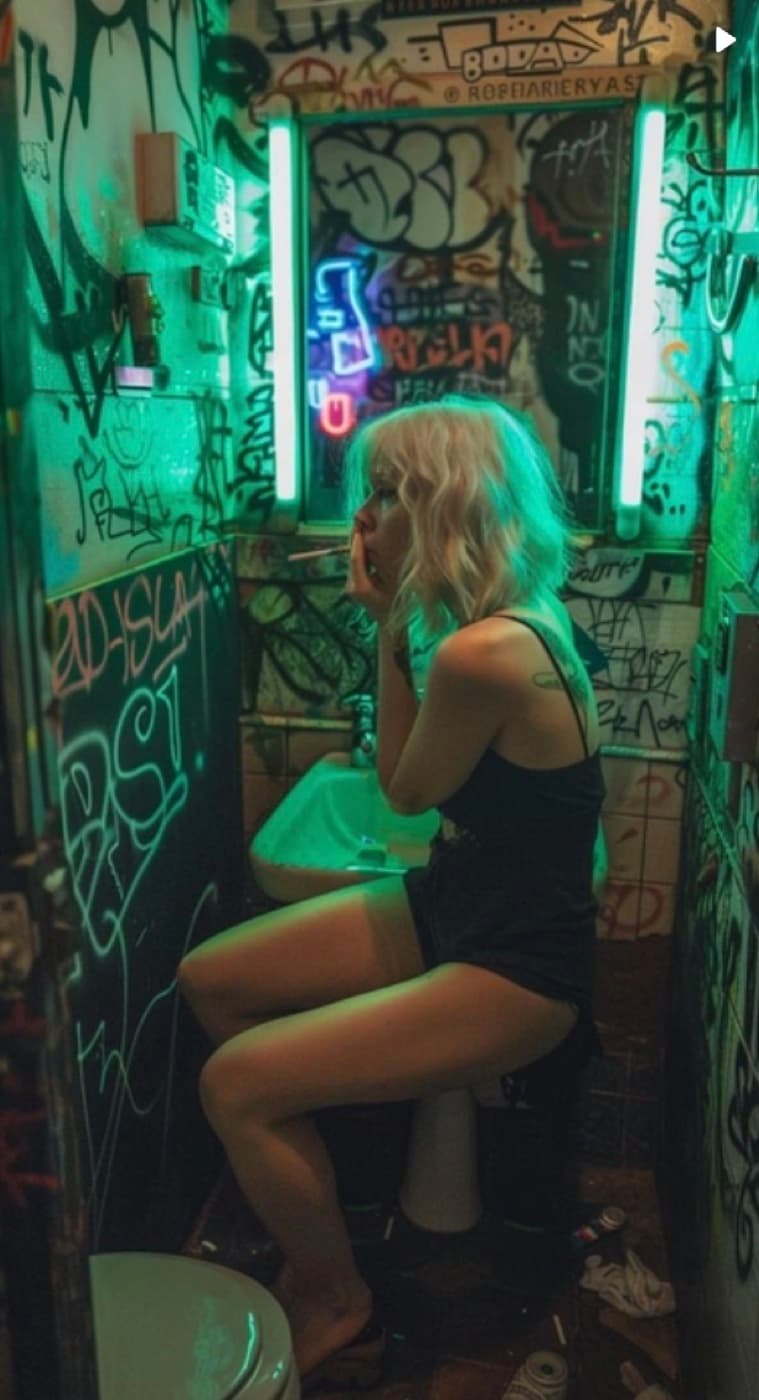
The MP3-blog party era shot on camera flash: skinny jeans, American Apparel basics, smudged eyeliner, and neon, dishevelment styled for tomorrow's party photos
Boho
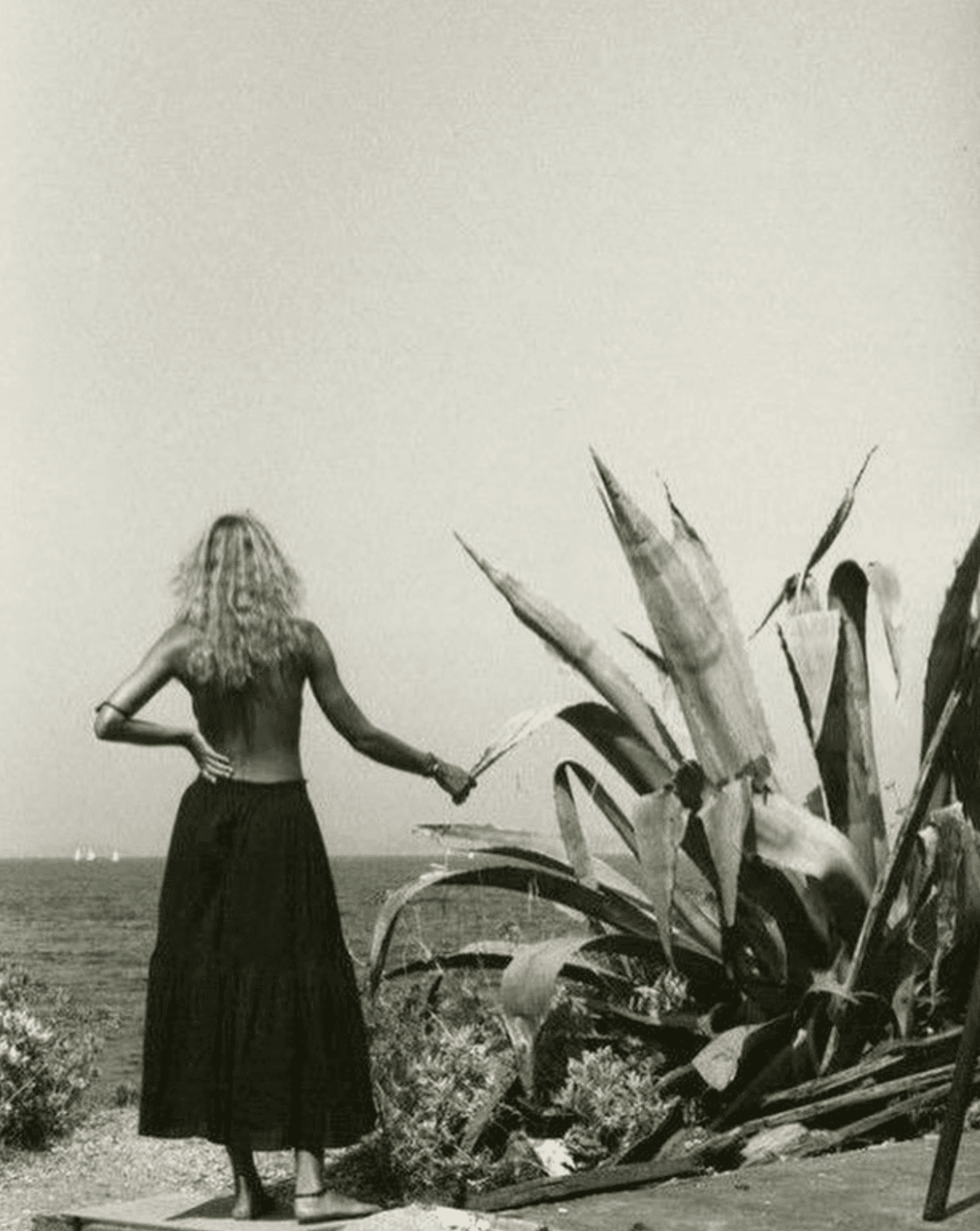
The artist's wardrobe from Paris garrets to festival fields: flowing natural fibers, embroidered layers, and handwoven textures, creative freedom worn as identity
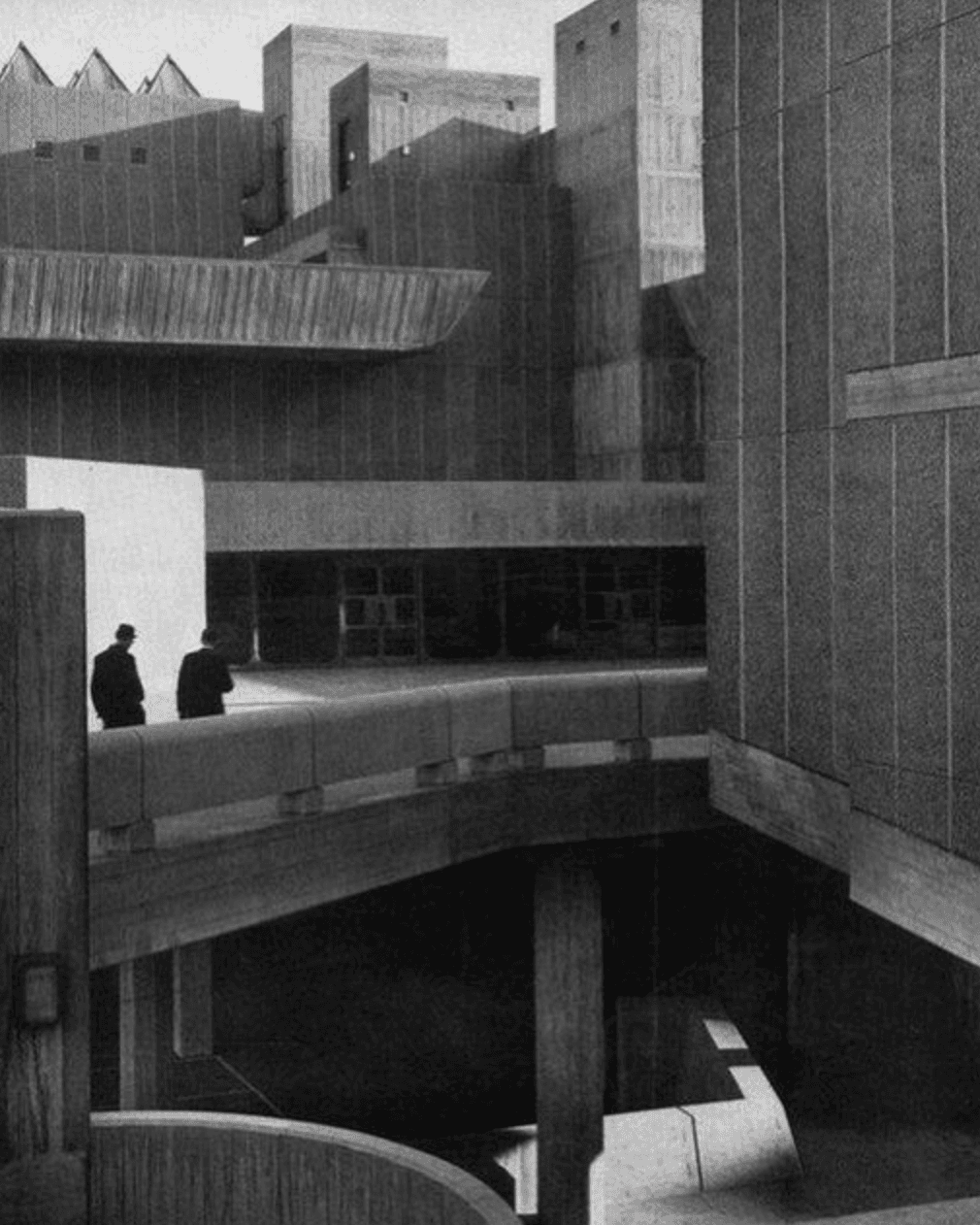
Brutalism
Brutalist architecture's raw-concrete ethos remade in fabric: exposed seam allowances, unfinished hems, and heavyweight canvas, visible construction as the only ornament
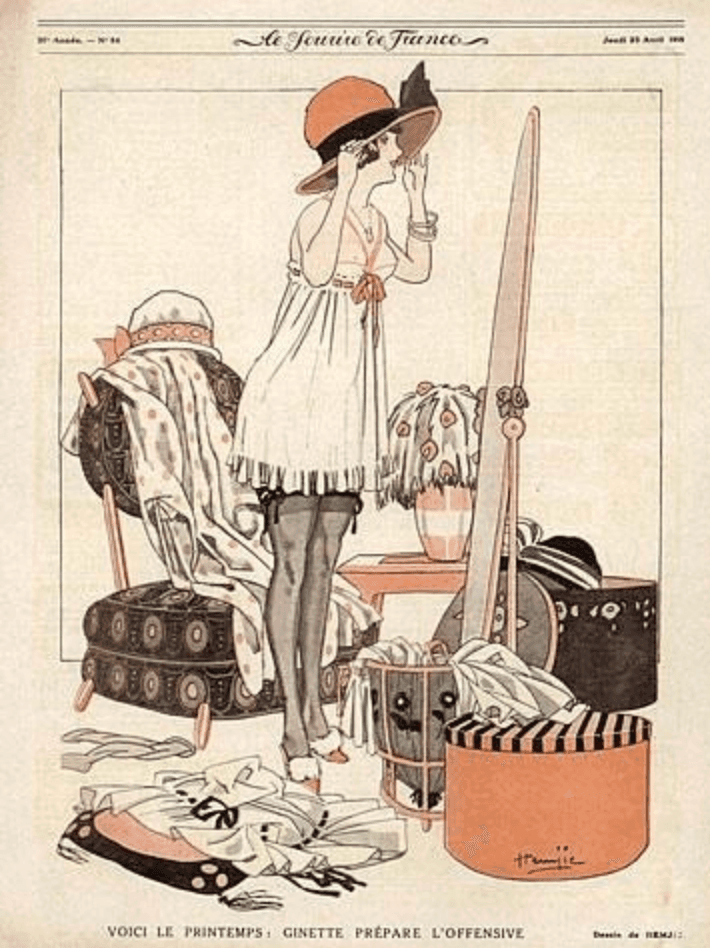
Coquette
Tumblr femininity reclaimed from 18th-century coquetry: satin bows, pastel lace, and babydoll silhouettes scaled doll-small, softness as deliberate construction
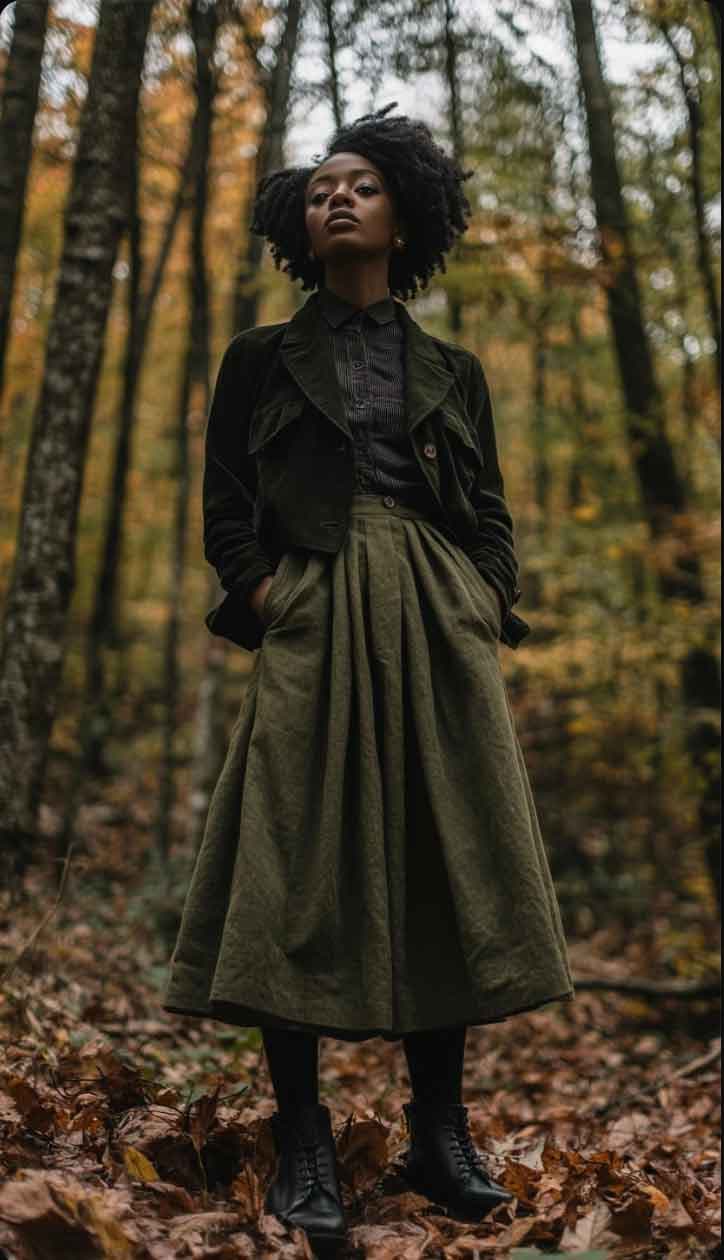
Cottagecore
Pandemic-era longing for a pastoral that never existed: prairie dresses in sun-washed linen, gathered skirts over empire waists, domesticity worn as romantic shelter
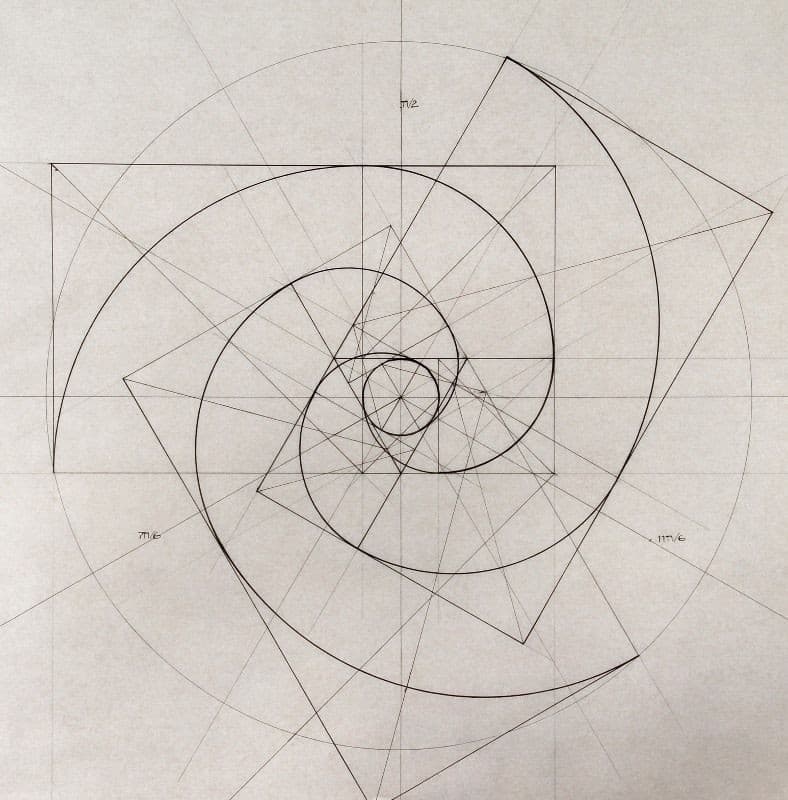
Fibonacci
Renaissance proportional thinking applied to garment construction: spiral draping, graduated panels sized to the golden ratio, mathematical harmony felt before it is understood

Flush
The modern evolution of 2010s swag: smooth, natural, locked-in outfits with no wasted movement and no friction, clean execution elevated to Kant's aesthetic principles
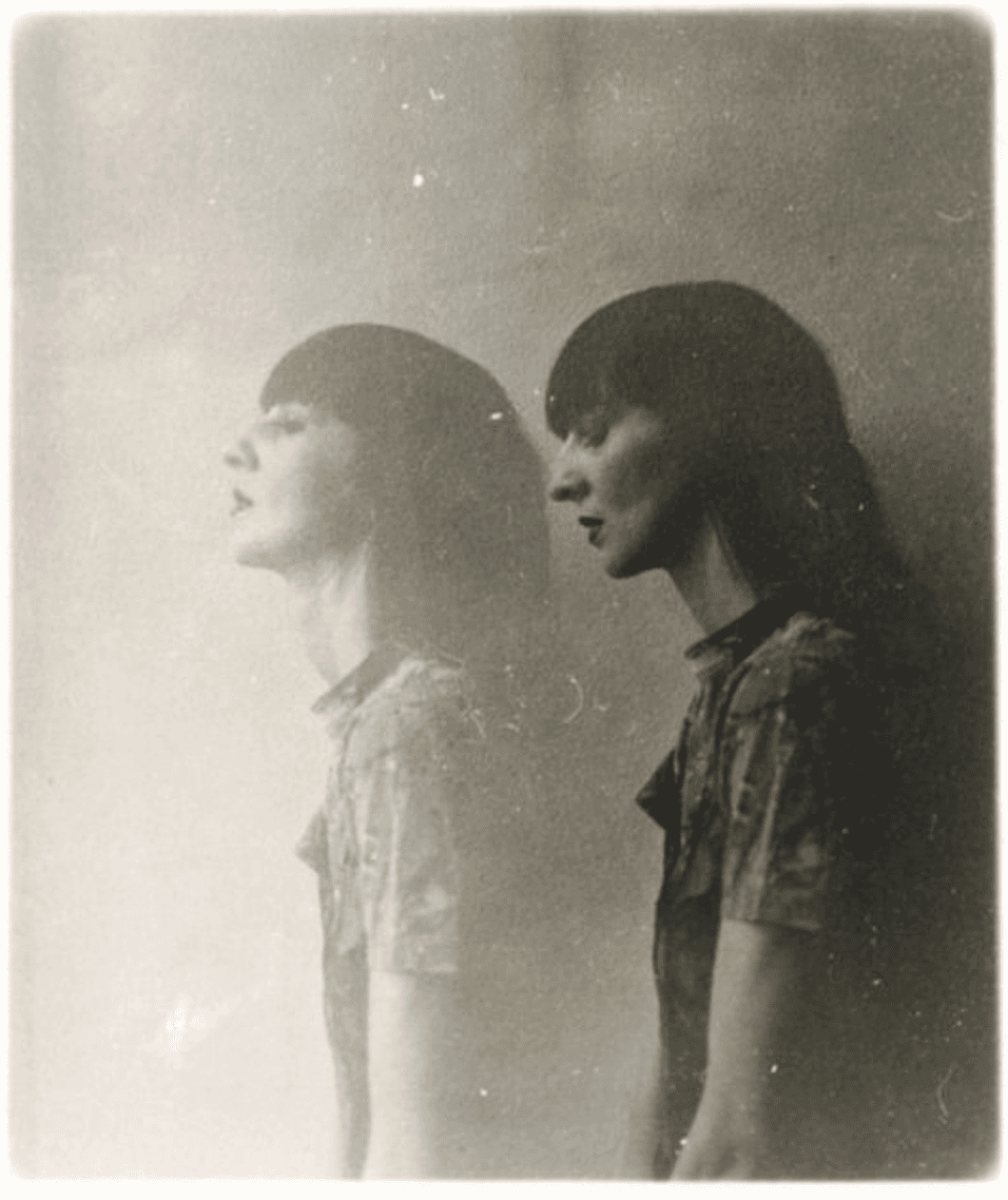
Gamine
Left Bank rejection of Dior's corseted femininity: cropped trousers, ballet flats, bateau necklines in sharp monochrome, androgyny held in tension with softness
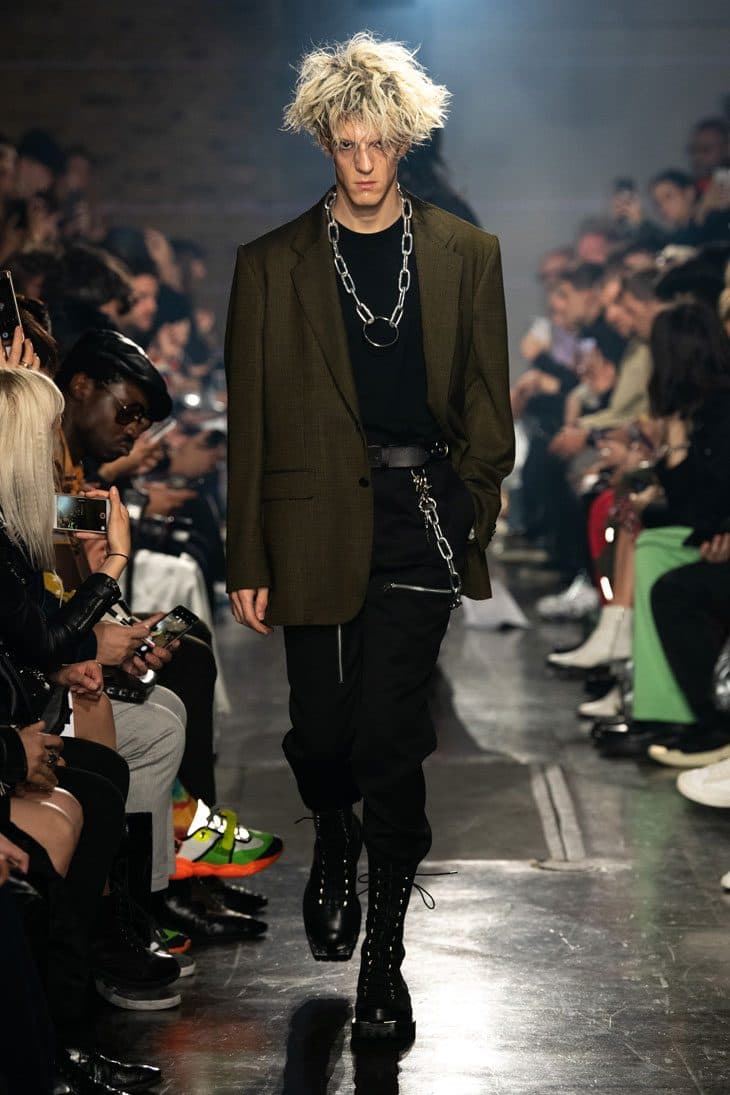
Glam Rock
Early-1970s British rock stage as gender laboratory: sequined jumpsuits, platform boots, metallic everything, the body treated as a surface for theatrical transformation
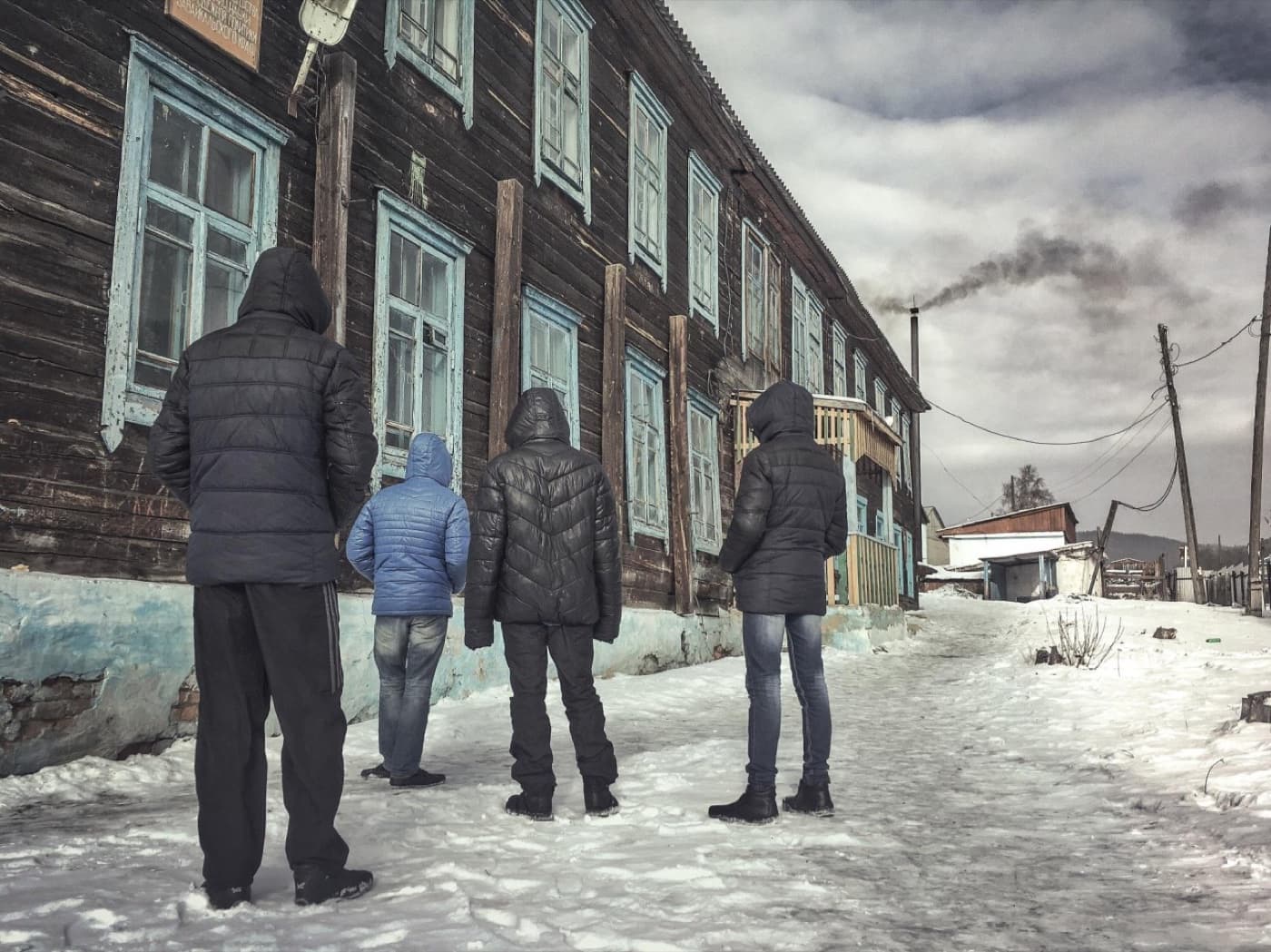
Gopnik
The post-Soviet tracksuit uniform: three-stripe track suits worn as everyday dress with flat caps and the flat-heeled squat, a courtyard vernacular later canonized on high-fashion runways
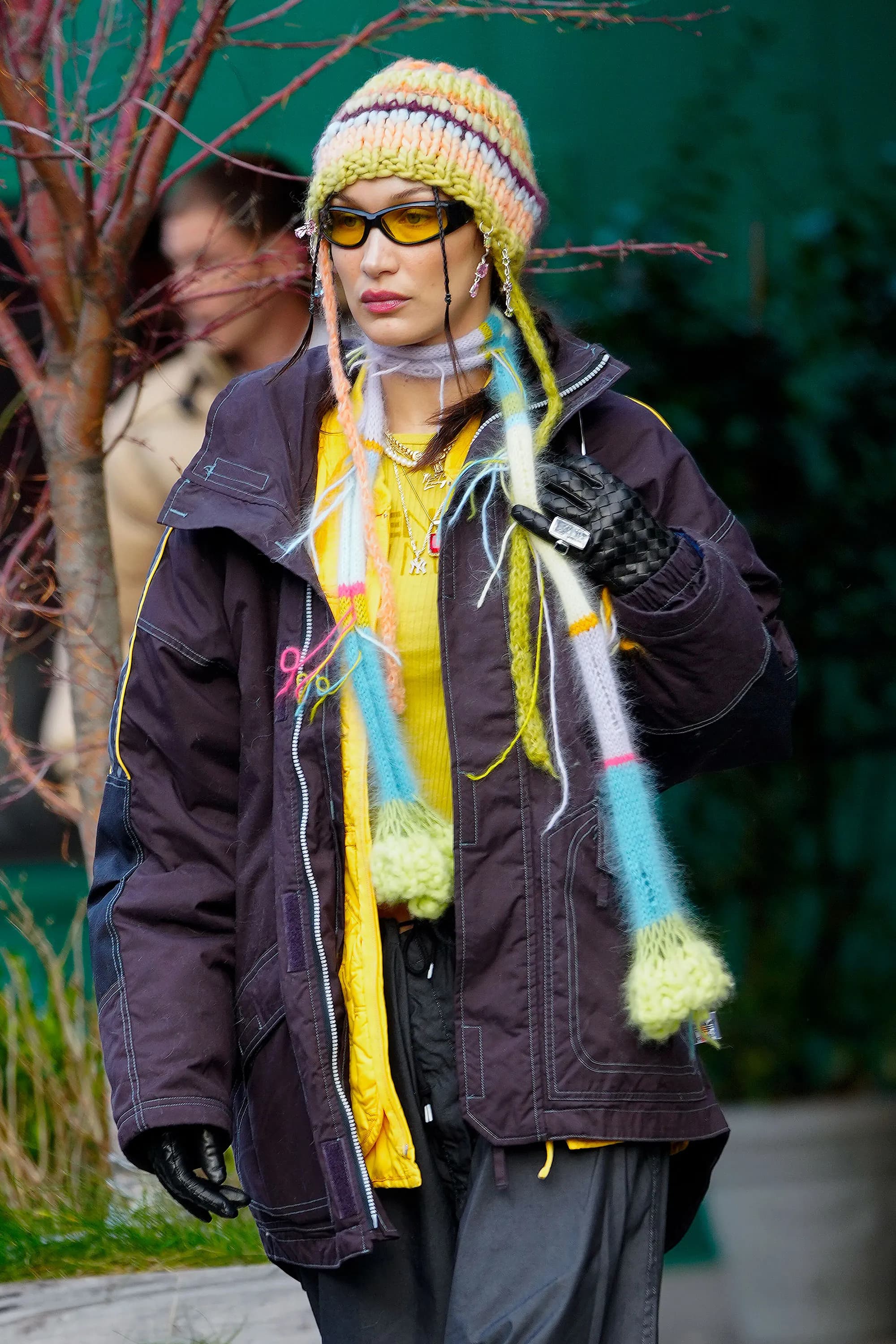
Gorpcore
Japanese outdoor labels meet fashion-week sidewalks: Gore-Tex shells, fleece layers, trail runners in city settings, technical preparedness as quiet status signal
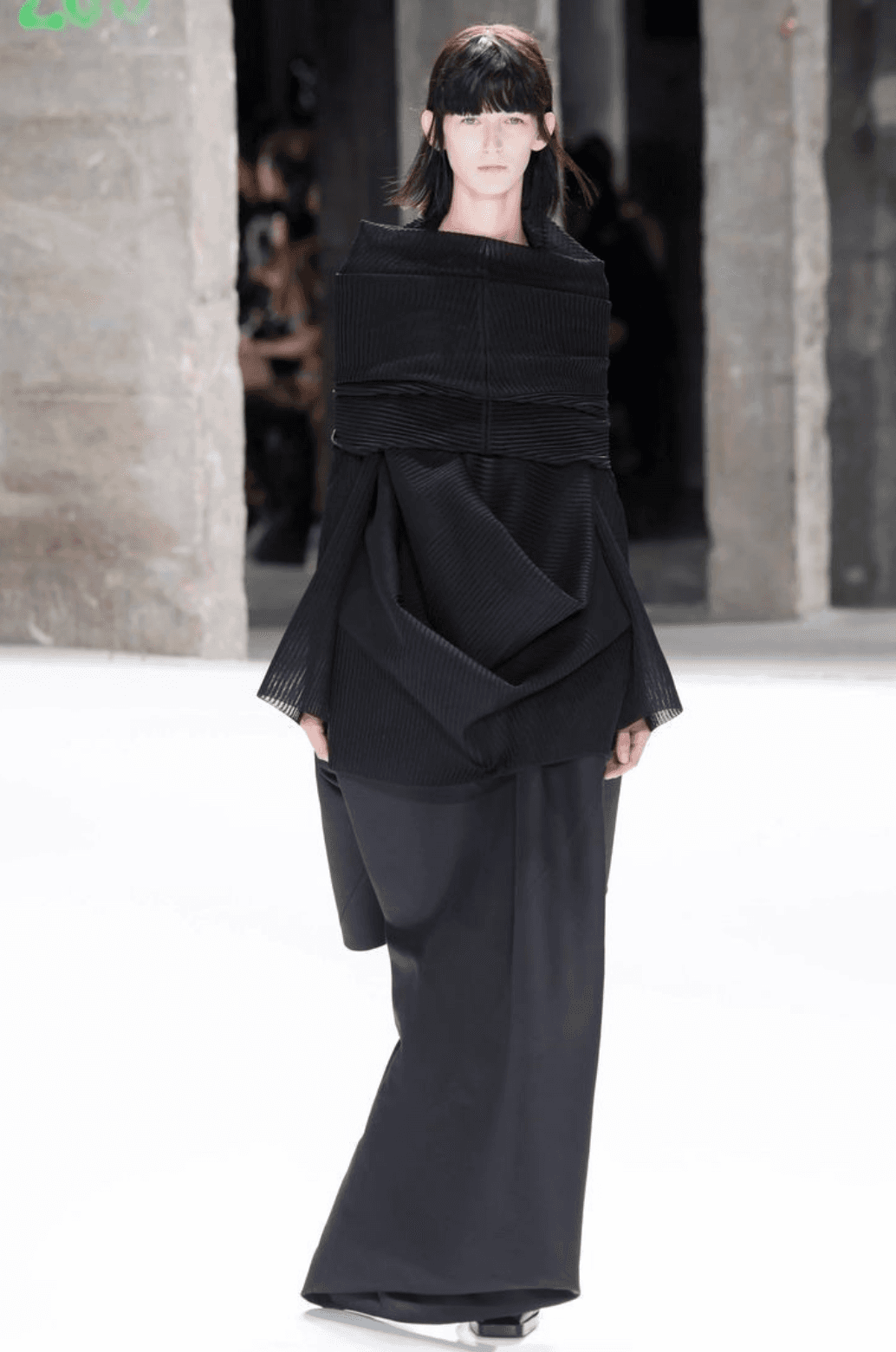
Goth
Post-punk dread dressed in Victorian mourning codes: all-black leather and velvet layered with lace, combat boots, darkness claimed as its own complete aesthetic territory
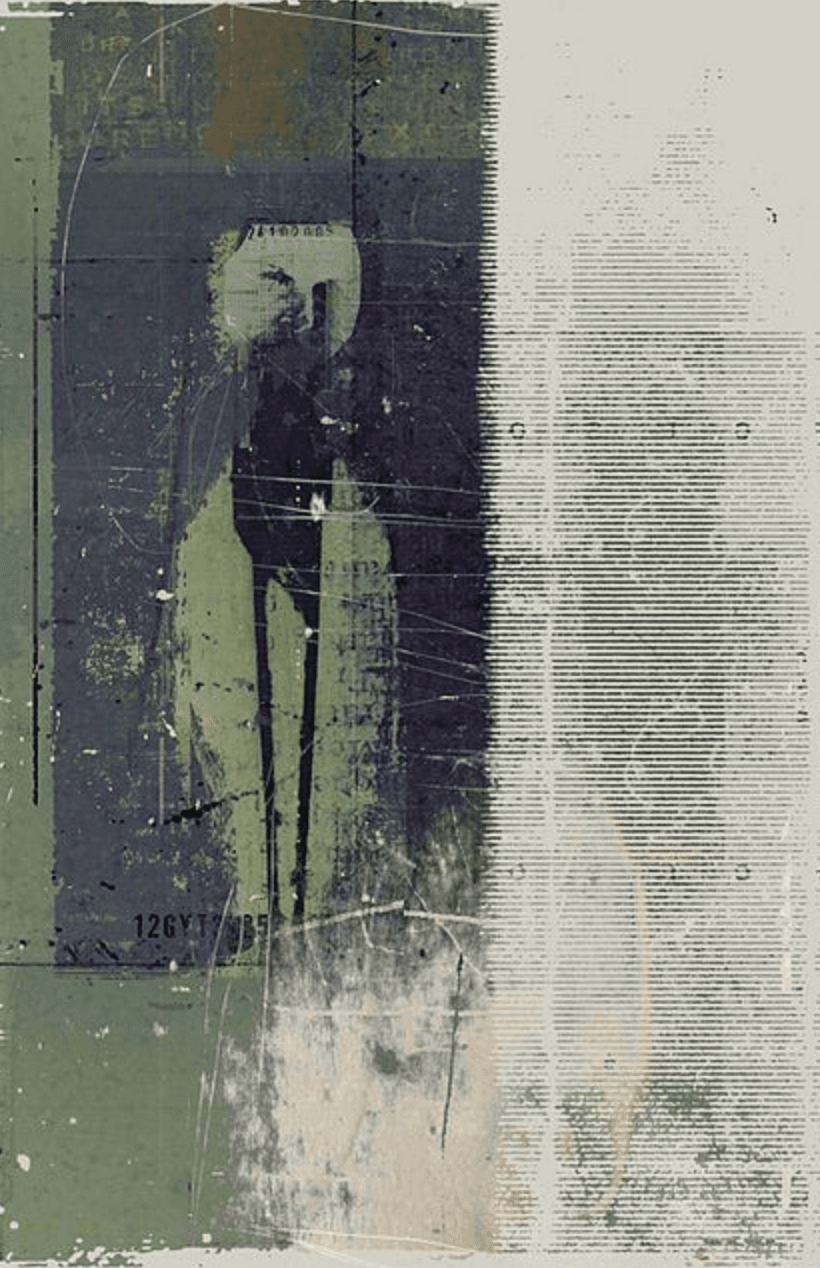
Grunge
Seattle's thrift-store uniform before the industry noticed: oversized flannel over ripped denim, combat boots, the body buried under layers, aspiration refused on principle
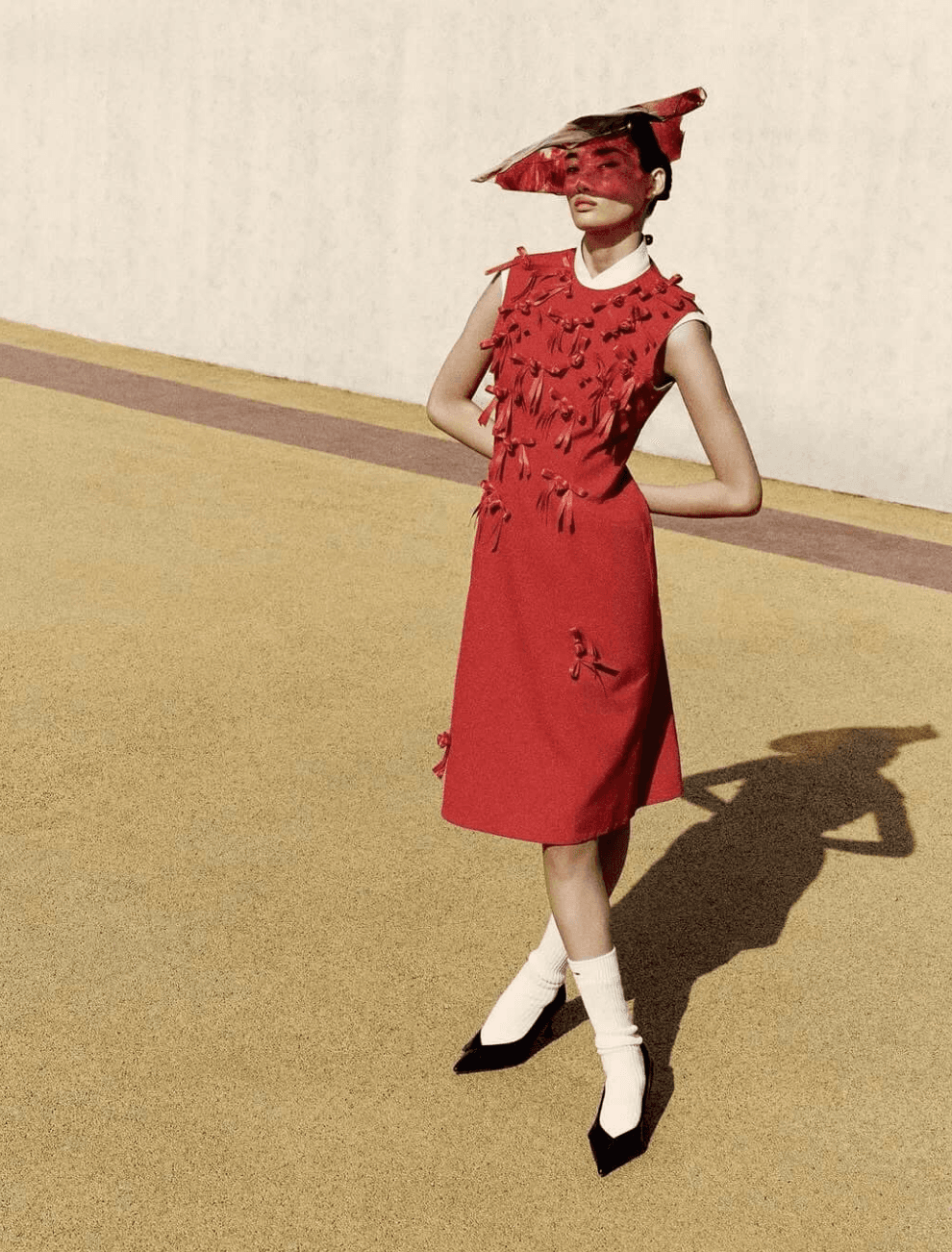
Guochao
China's Gen Z reclamation of heritage from Western luxury: dragon embroidery and frog closures on streetwear silhouettes, cultural authorship worn as national pride
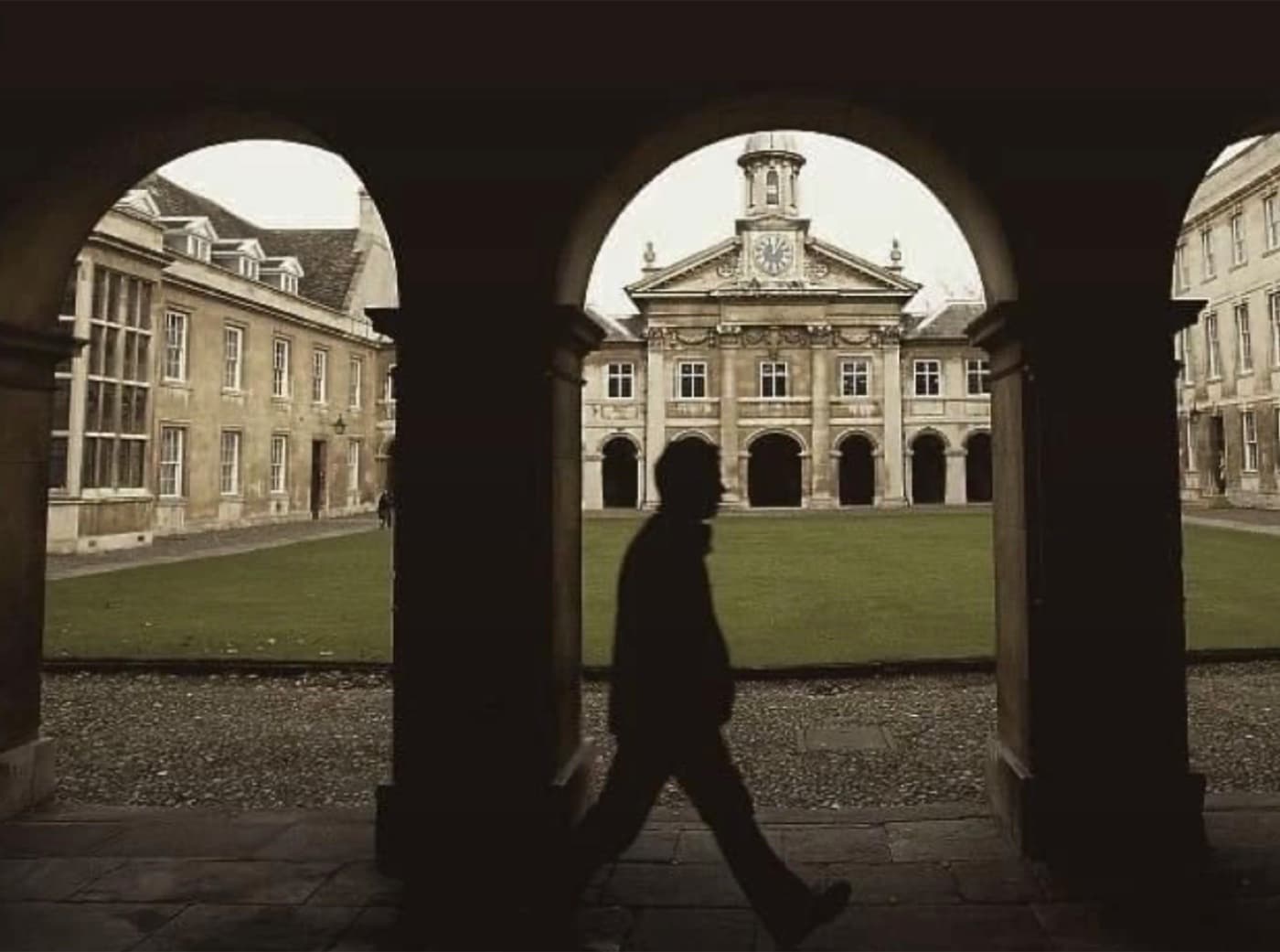
Hampden
Dark academia named for The Secret History's college: thrifted tweed, sweater vests, and worn brogues in autumn browns, scholarship romanticized to the edge of menace
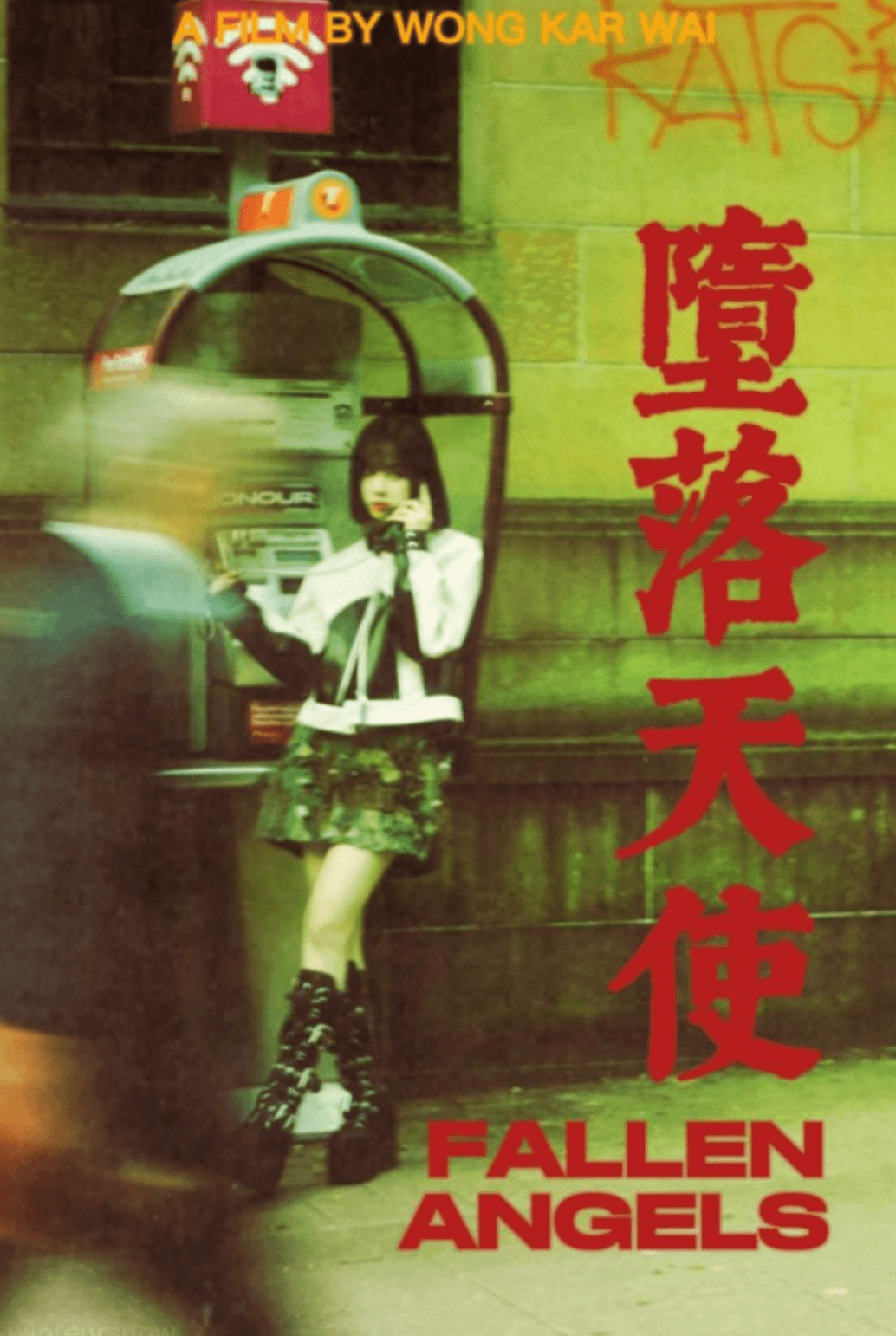
Harajuku
Tokyo's Takeshita Street rebellion against Japanese conformity: coexisting substyles from Gothic Lolita to Decora, DIY construction and extreme styling, identity as daily performance

Hygge
Danish antidote to dark Scandinavian winters: oversized knits and oatmeal neutrals in natural fibers, the body disappearing into softness, comfort as quiet self-possession
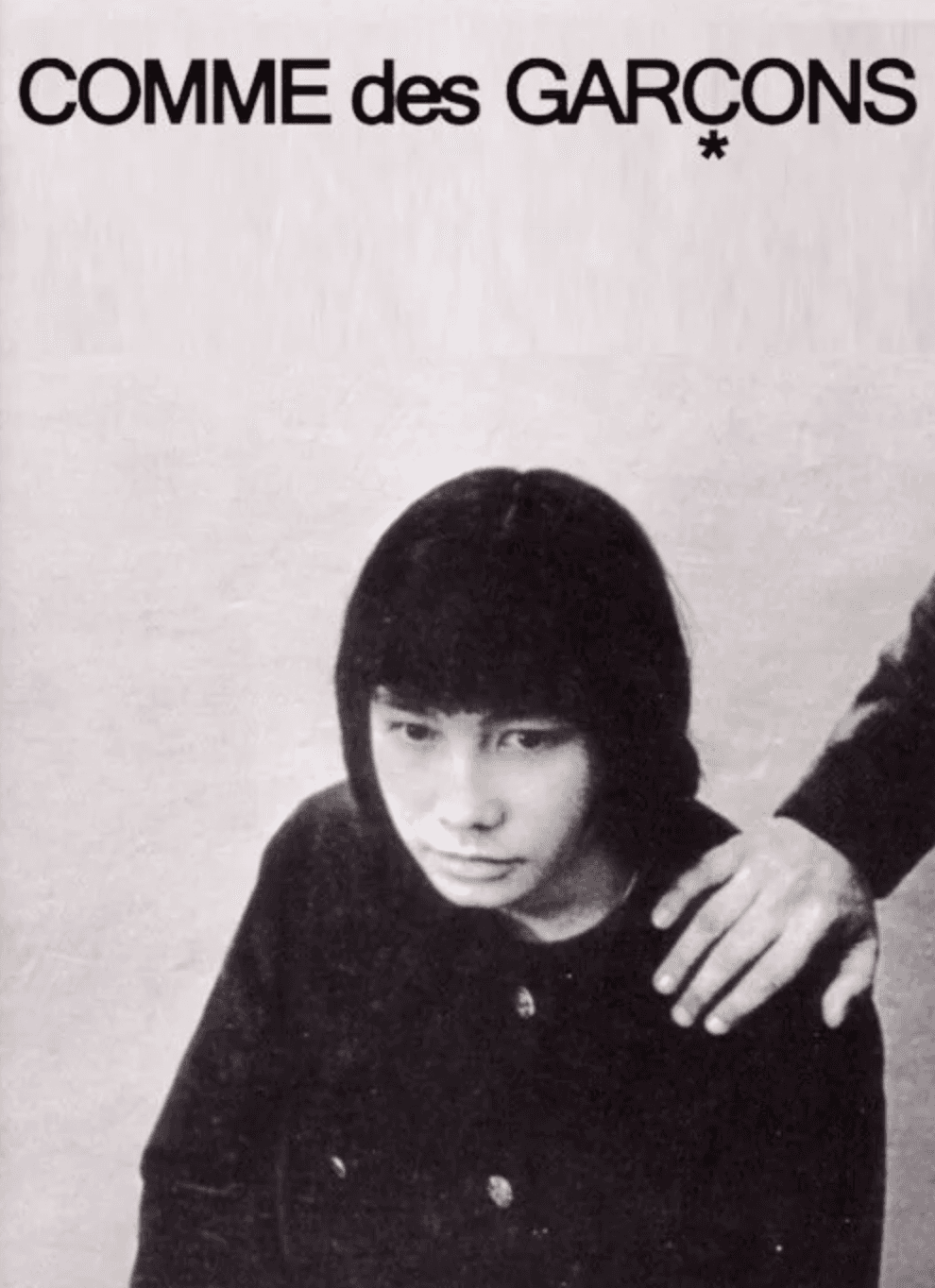
Karasu
The crow tribe and its heirs: head-to-toe black designer clothing worn as connoisseurship, from Yohji and Kawakubo's 1980s Paris shock through Margiela Tabis to the archive-collecting internet
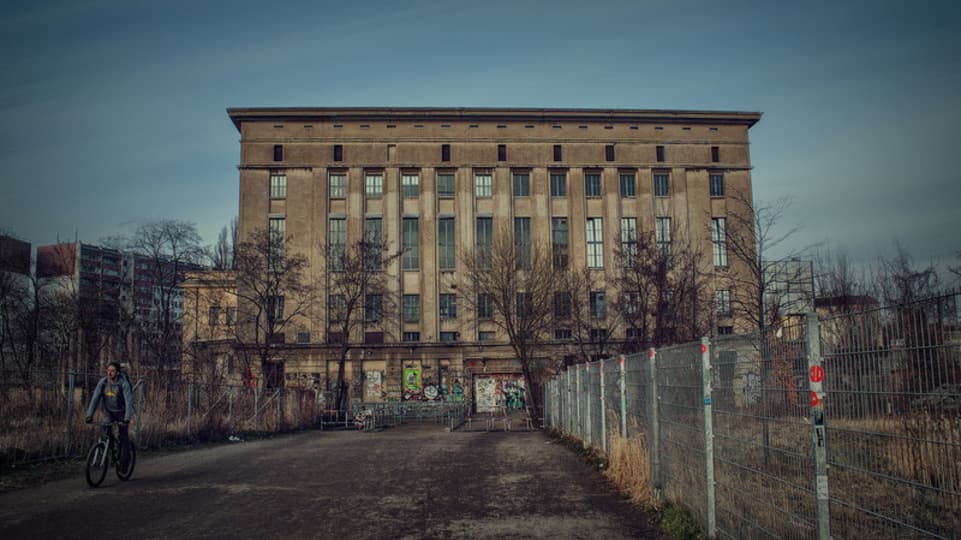
Klubnacht
Berlin techno's answer to a 48-hour weekend: matte-black leather and mesh in androgynous silhouettes, anonymity dressed for sweat and concrete, the body in service of the music
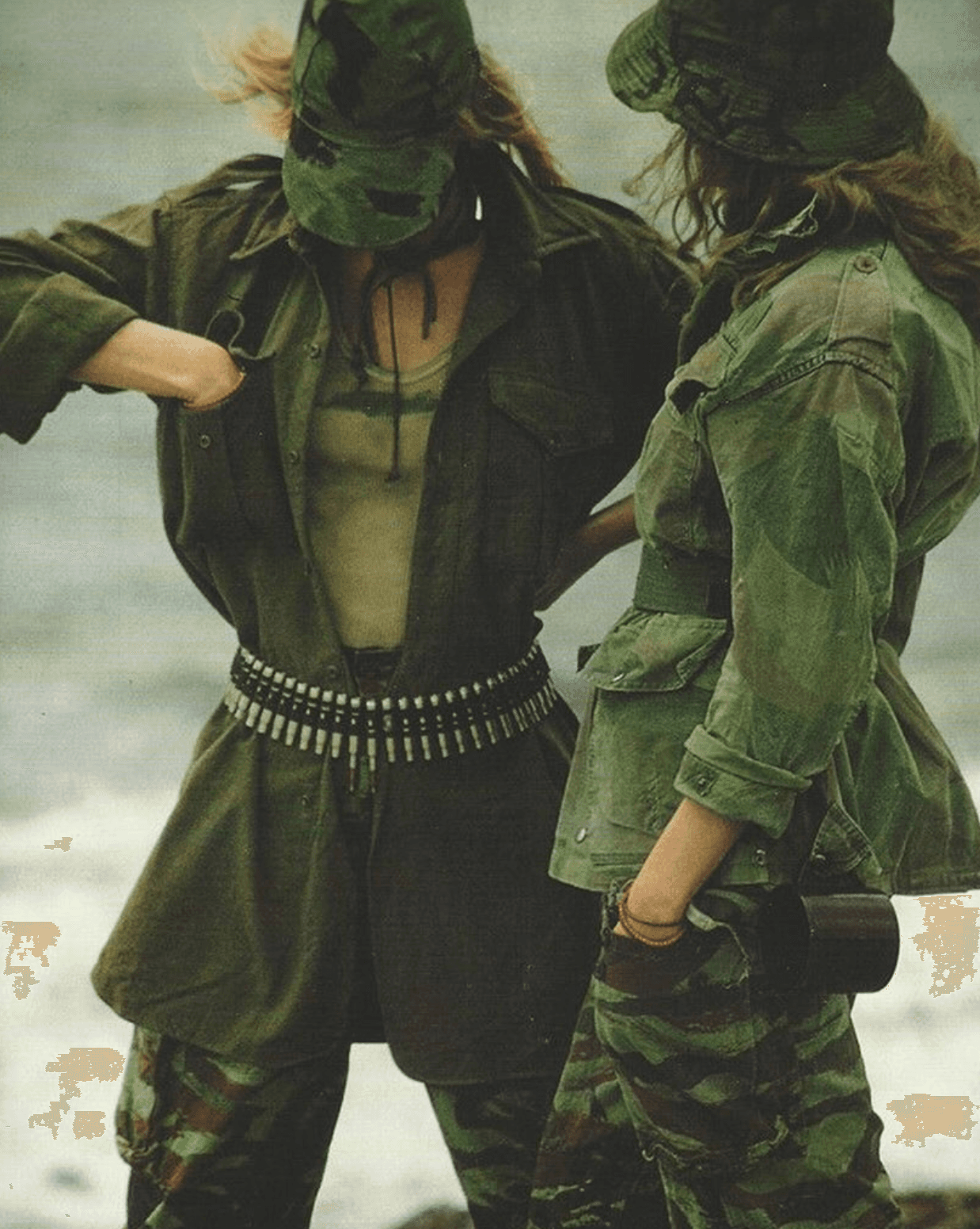
Military
Uniforms engineered for combat, adopted by civilians through surplus stores: field jackets, bomber jackets, cargo pockets, and olive-drab palettes carrying the residual authority of garments designed to survive conditions that would destroy fashion clothing
Minetta
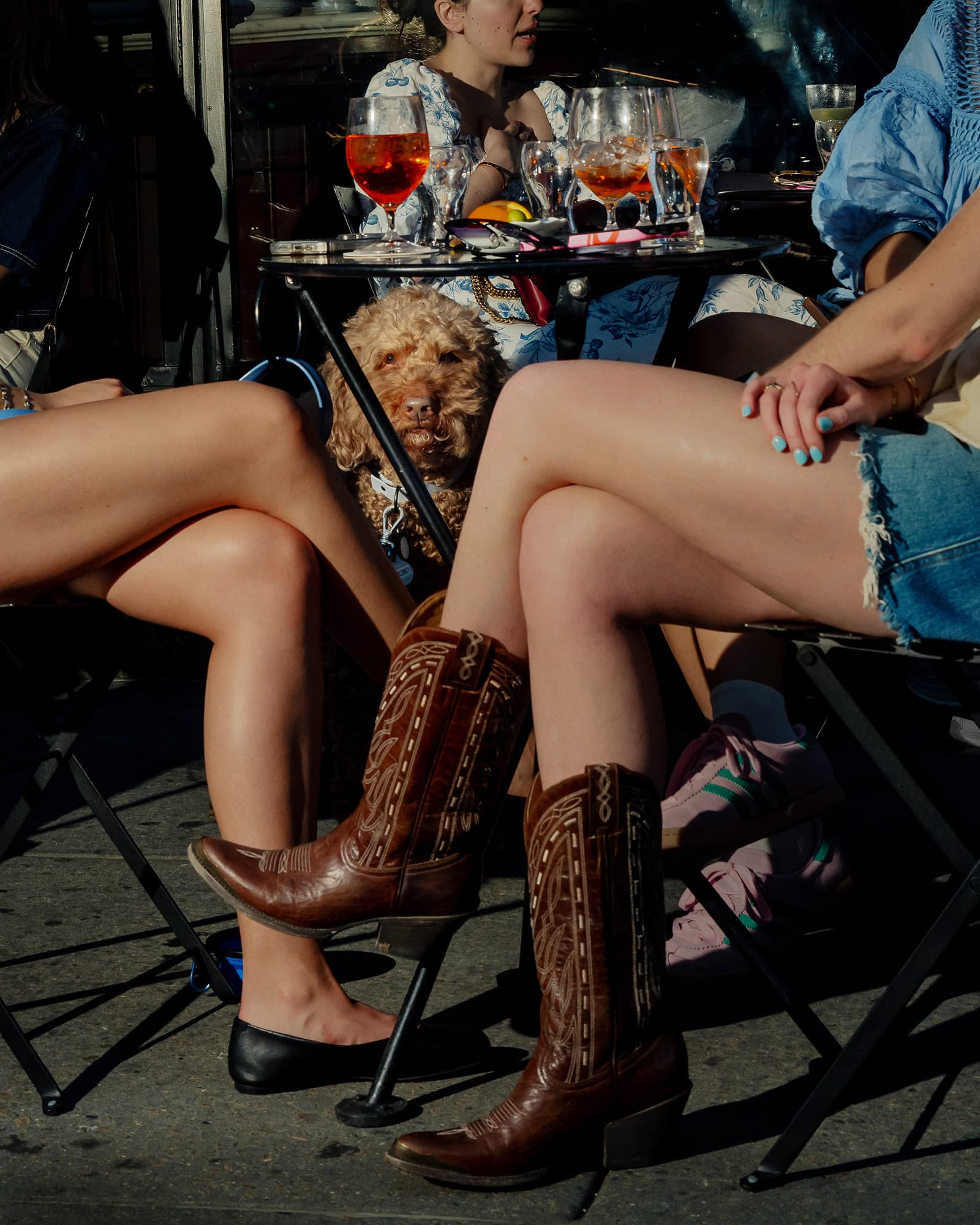
Polished neighborhood dressing from the West Village: matching knit sets, slip dresses, and ballet flats, groomed for a daily circuit of coffee runs, Pilates, and spritzes at sidewalk tables
Monastic
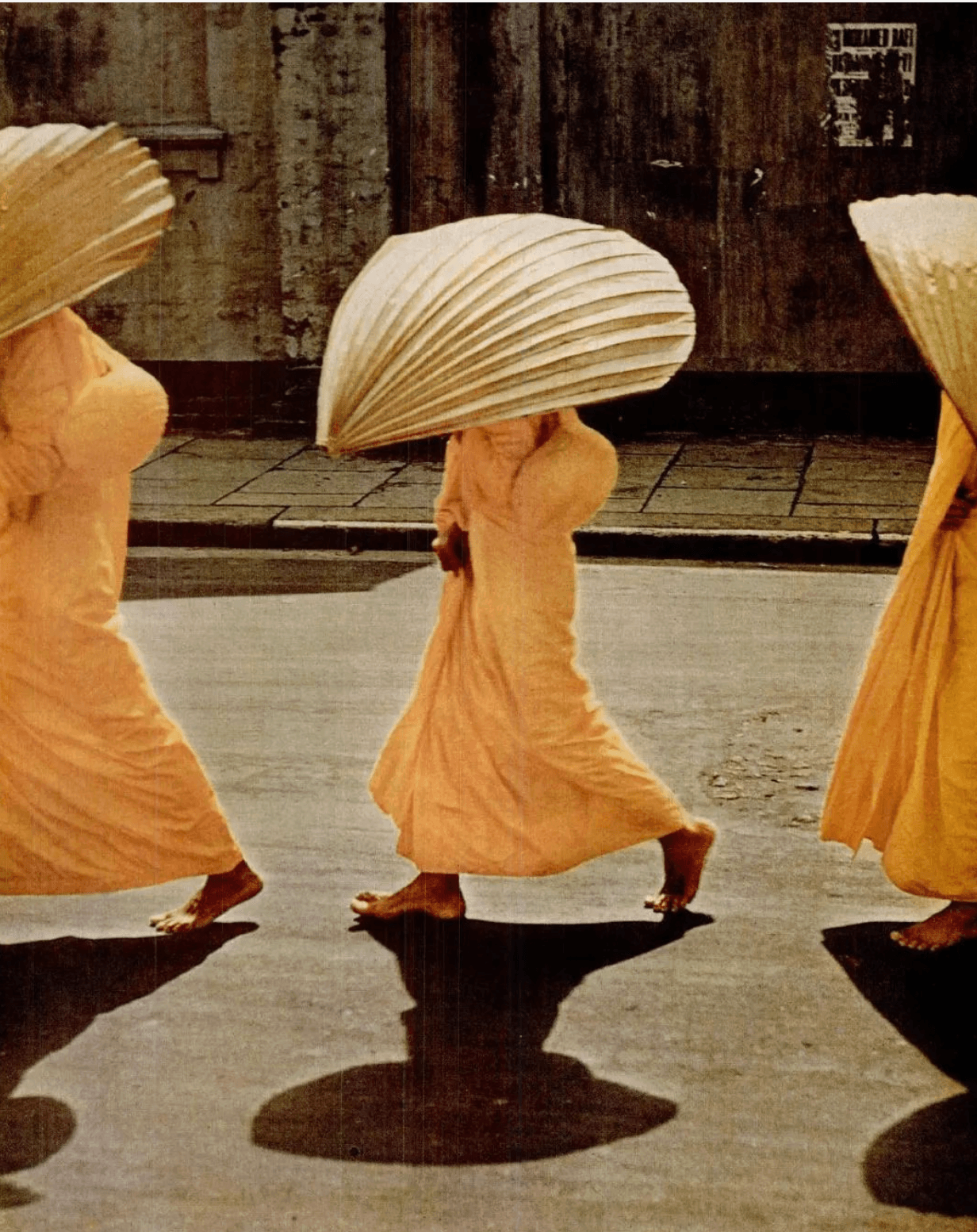
Medieval abbey dress reimagined as luxury refusal: floor-length robes and hooded cowls in undyed earth tones, the body erased beneath enveloping volume, vanity surrendered by design

Mori-kei
Japanese woodland layering a decade before cottagecore: cotton gauze, linen, crochet lace, and vintage knits stacked four to seven deep in earth tones, the body softened into a forest-dwelling silhouette

Office Siren
TikTok-named revival of sensual corporate tailoring: pencil skirts, pointed pumps, and fitted blazers in suiting fabrics, where precise fit makes the body visible through the professional uniform rather than against it
Parisian
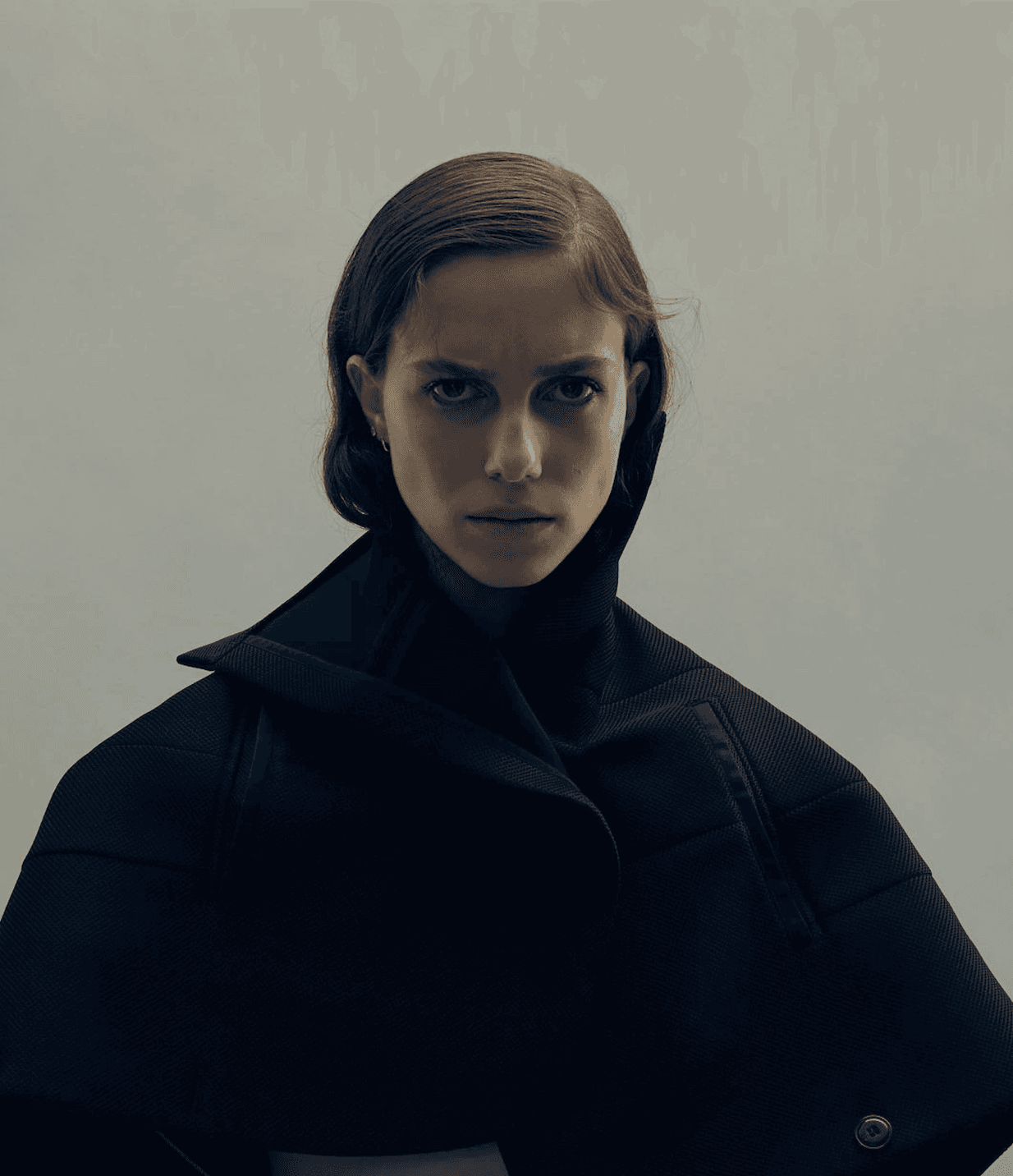
Left Bank dressing codified as universal grammar: tailored blazers over fitted knits in a navy-to-camel palette, strategic restraint where what you leave out defines the silhouette
Rasa
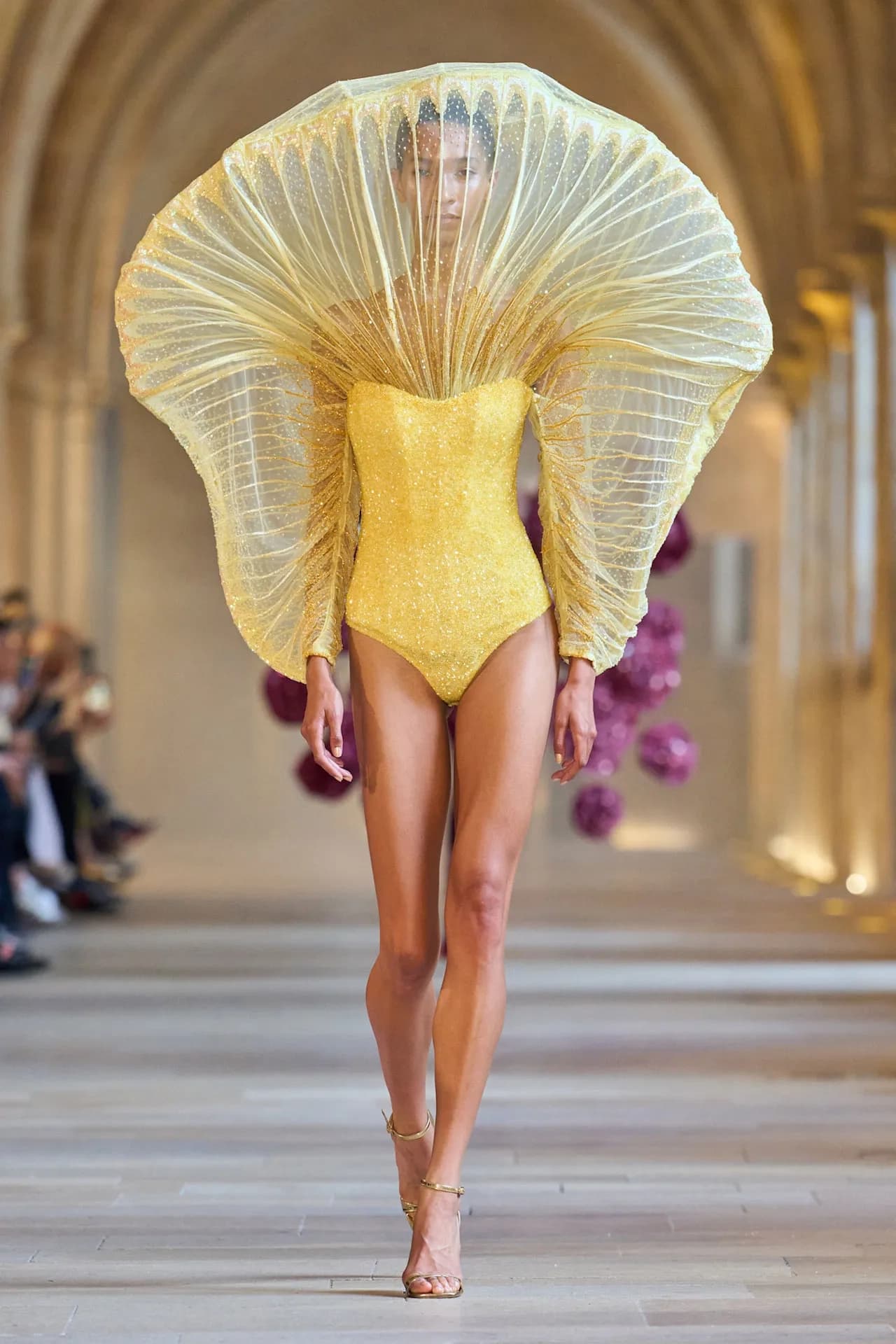
Indian aesthetic theory from the Natyashastra applied to dress: emotion as the measure of a garment, draped silks, zardozi embroidery, sari-based construction, and mood-driven dressing through the nine rasas
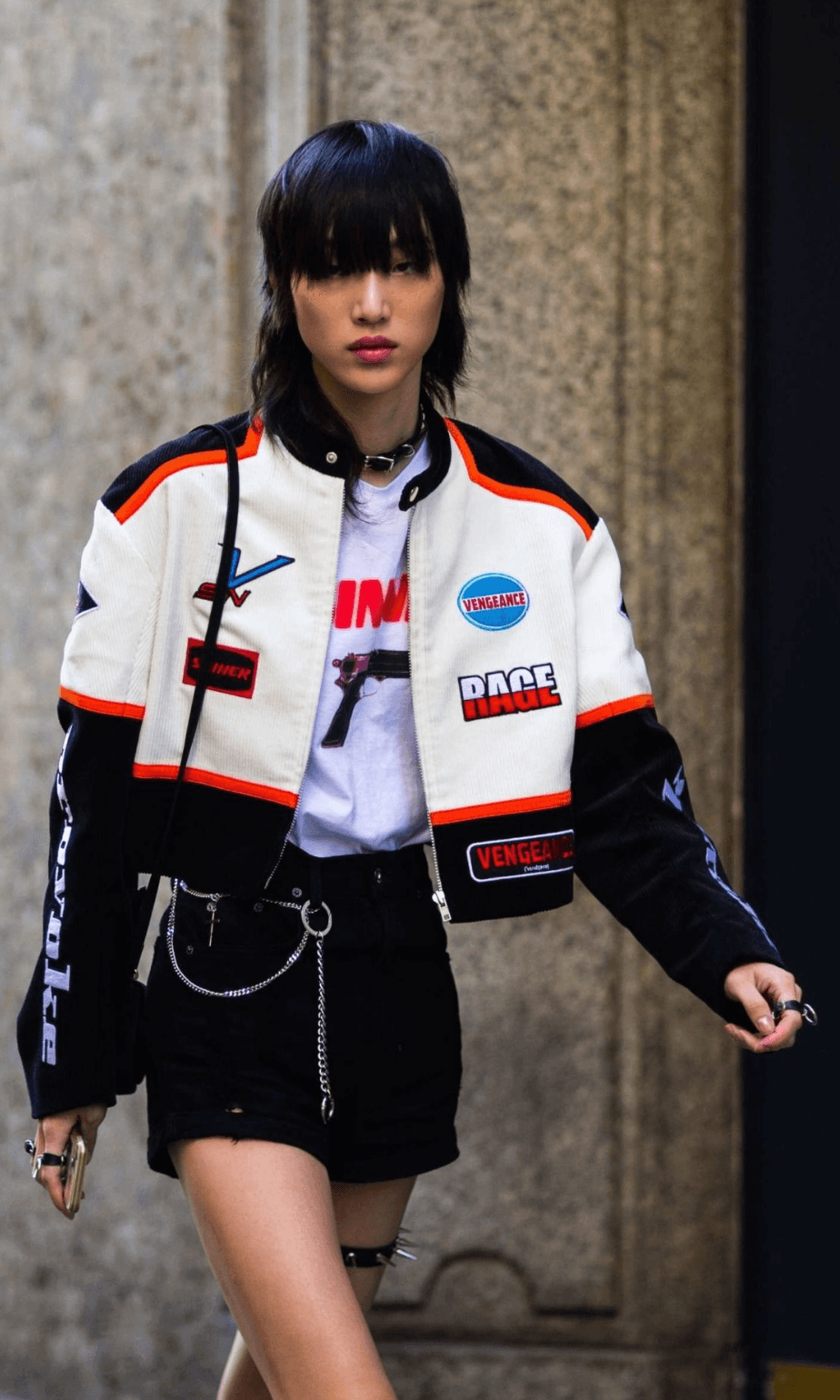
Retro
Revival as method: new-production garments quoting a specific past decade's silhouettes, fabrics, and details, ranging from meticulous Japanese denim reproduction to loose fast-fashion quotation, driven by twenty-year nostalgia cycles
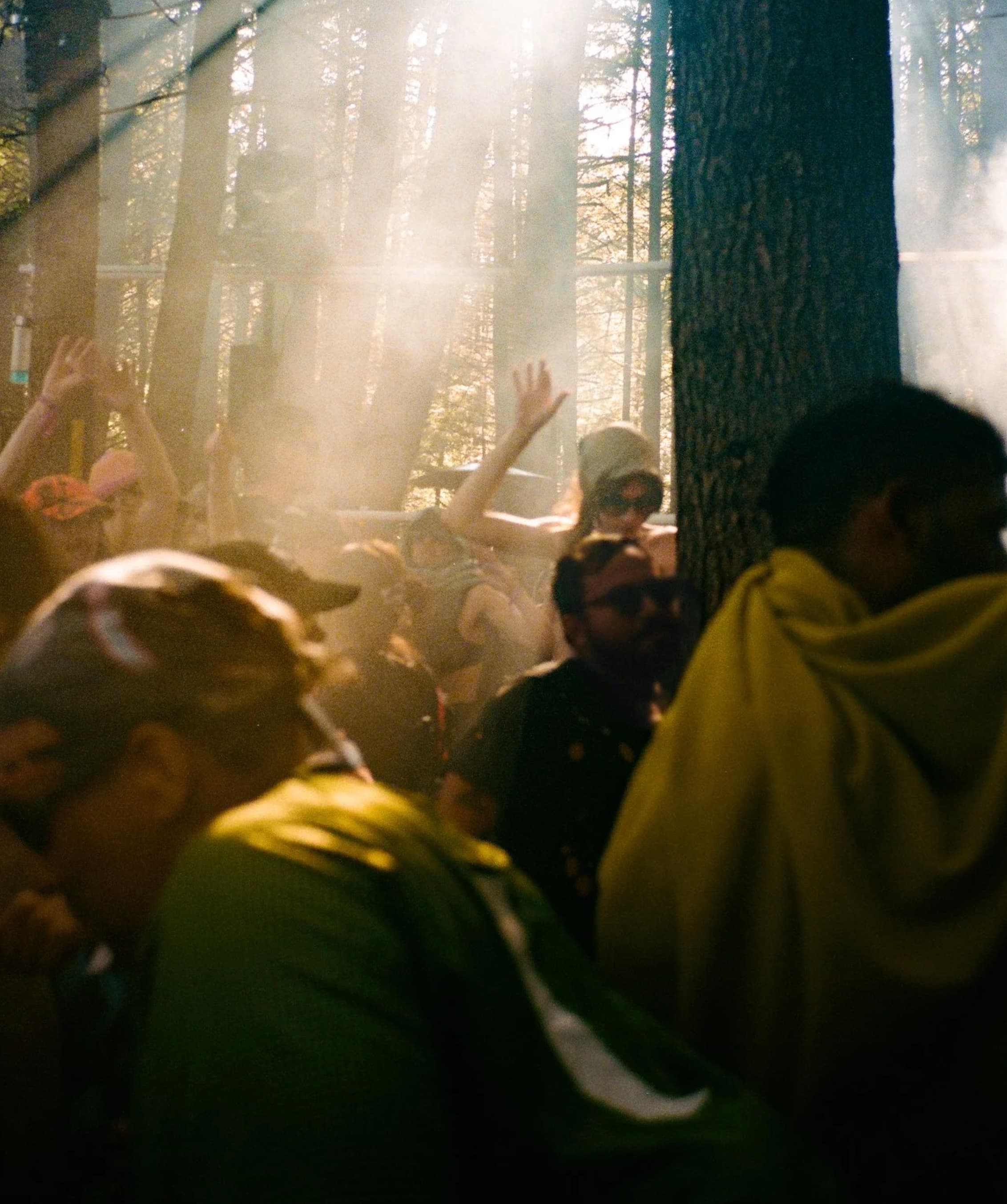
Ridgewick
Rave dressing from the Bushwick-Ridgewood border: thrifted grunge layers, mesh, and saturated color built for fog-filled floors and dancing into Sunday
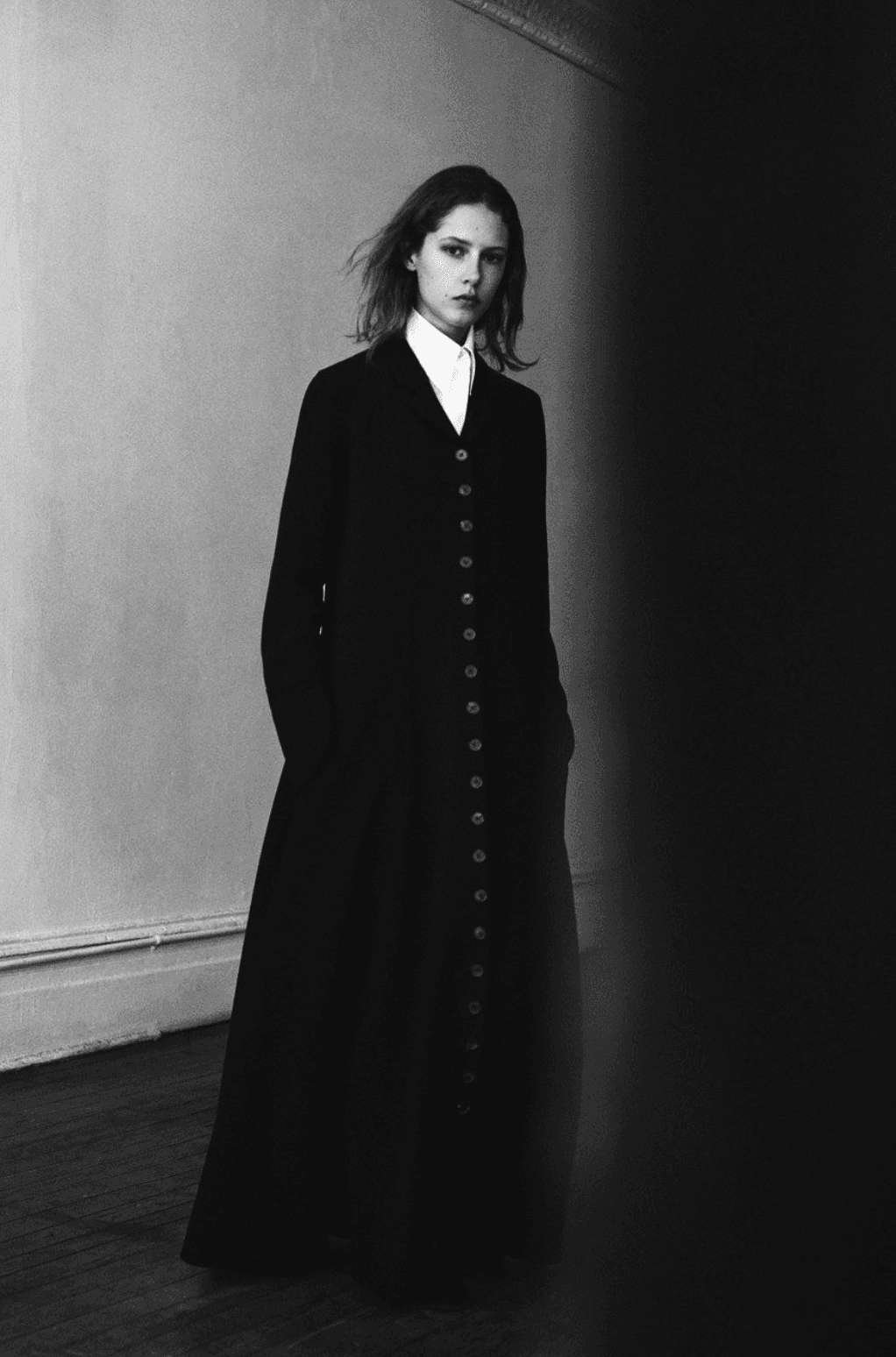
Sartorial
Savile Row structure and Neapolitan softness as rival dialects of the same craft: canvassed jackets, pick-stitched lapels, worsted wool graded by Super number, authority built stitch by stitch into the construction
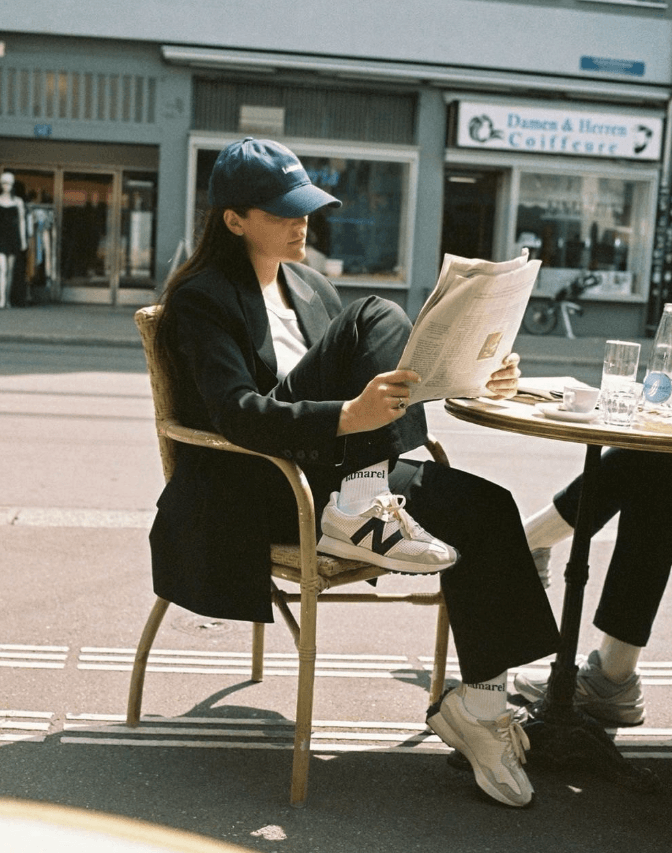
Sotto
Luxury encoded in fiber and construction rather than logos: cashmere grades, Super 150s wool, and tonal neutrals where expense is legible only to those with the material literacy to decode it.
Streetwear
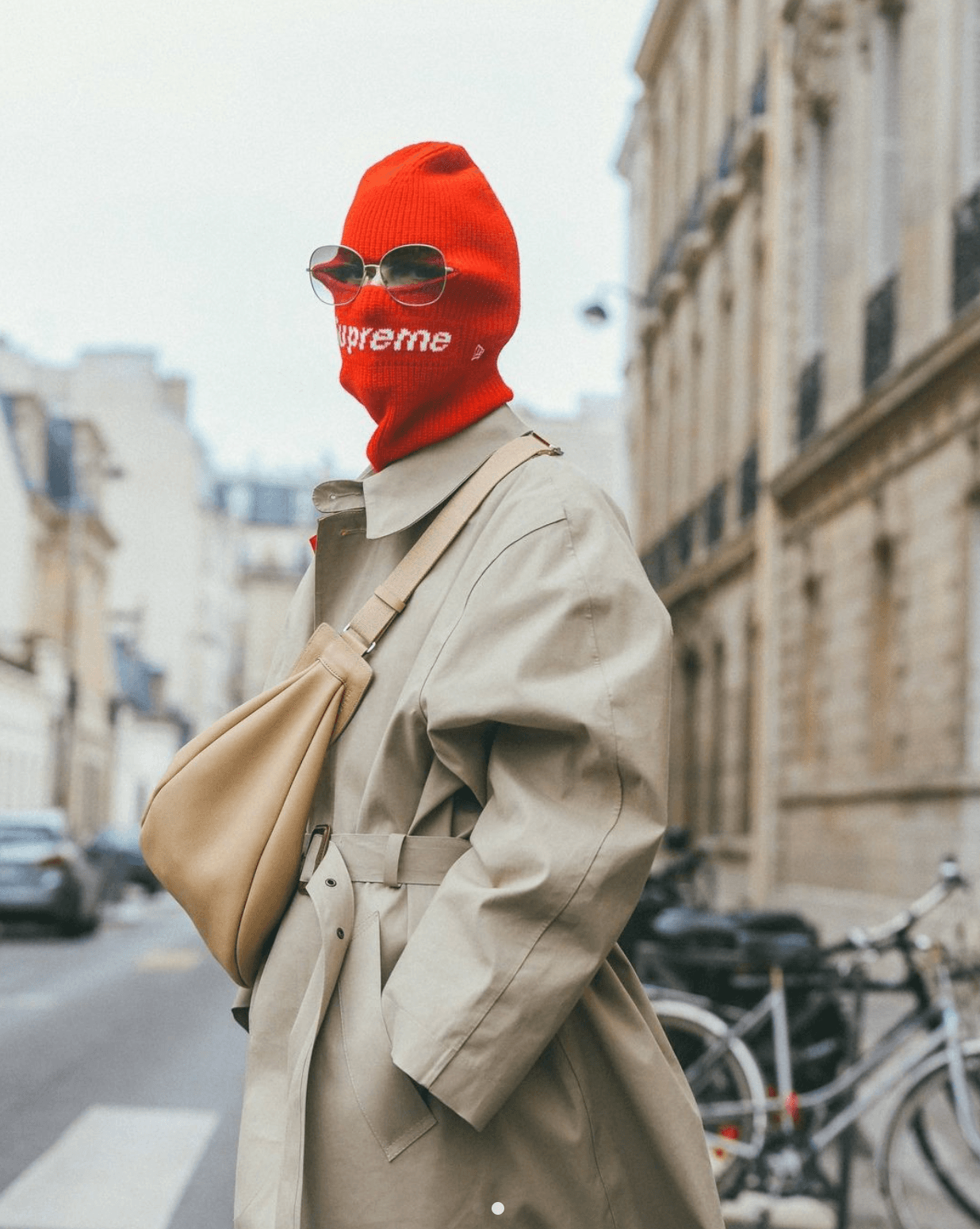
South Bronx hip-hop and LA skate culture fused into a global language: oversized hoodies layered over graphic tees with statement sneakers, styling the ordinary into something authored
Sukeban
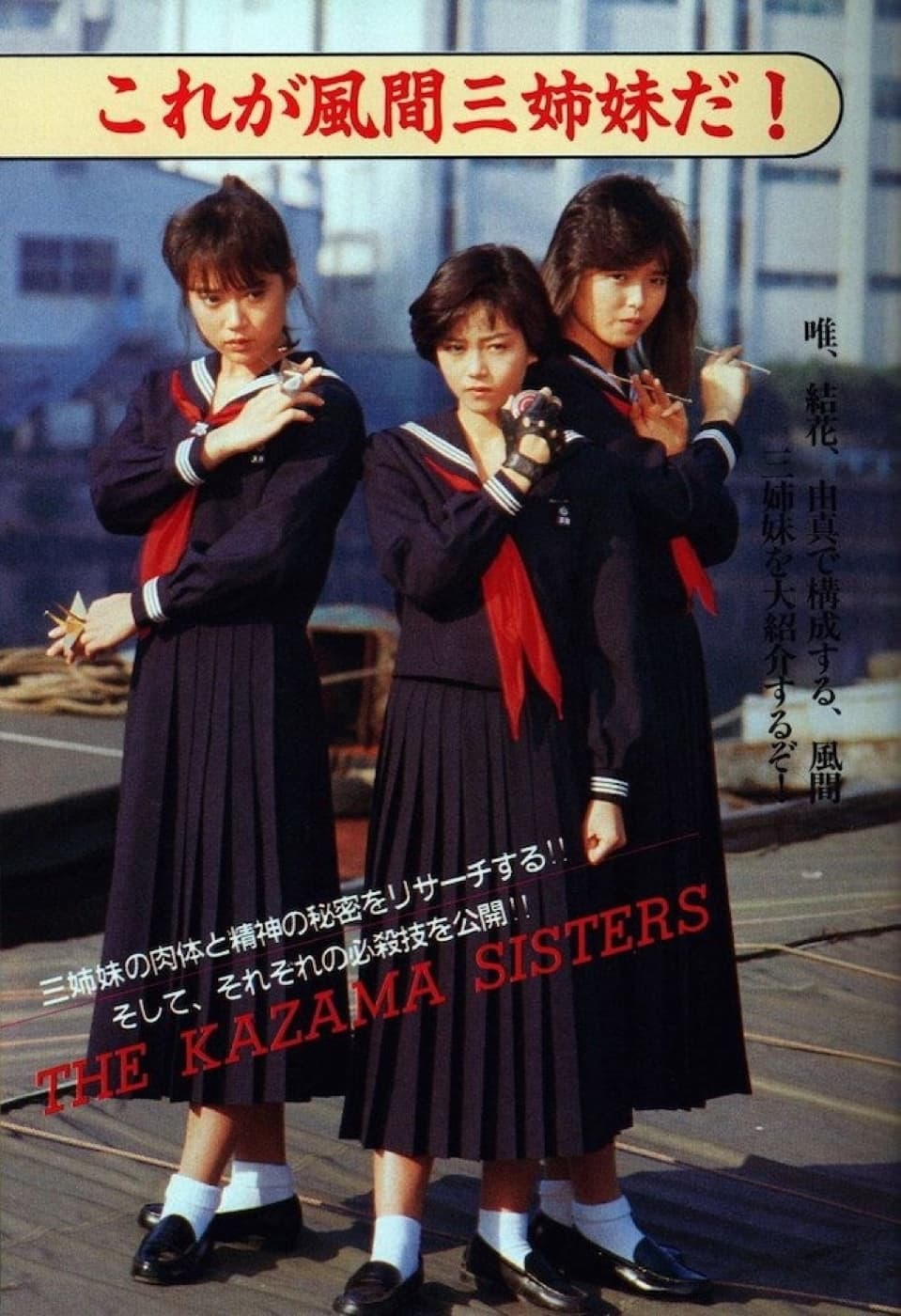
Japanese girl-gang subversion of the sailor school uniform: skirts lengthened to the ankle, blouses cropped, collars and coats embroidered with roses and kanji
Techwear
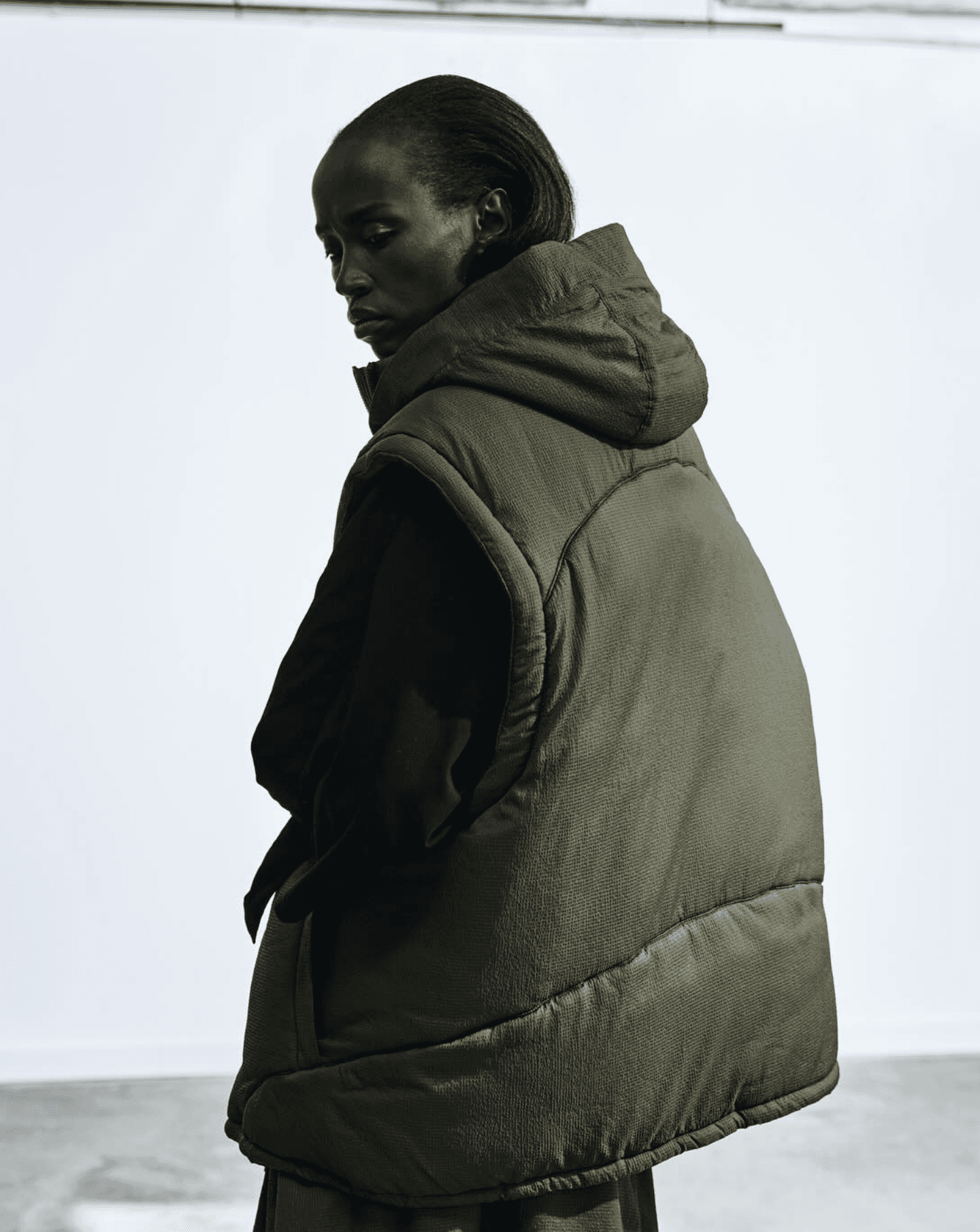
Two centuries of weather engineering made visible as aesthetic: Gore-Tex shells and articulated cargos with taped seams in dark monochrome, the garment spec sheet worn on the outside
Wabi-sabi
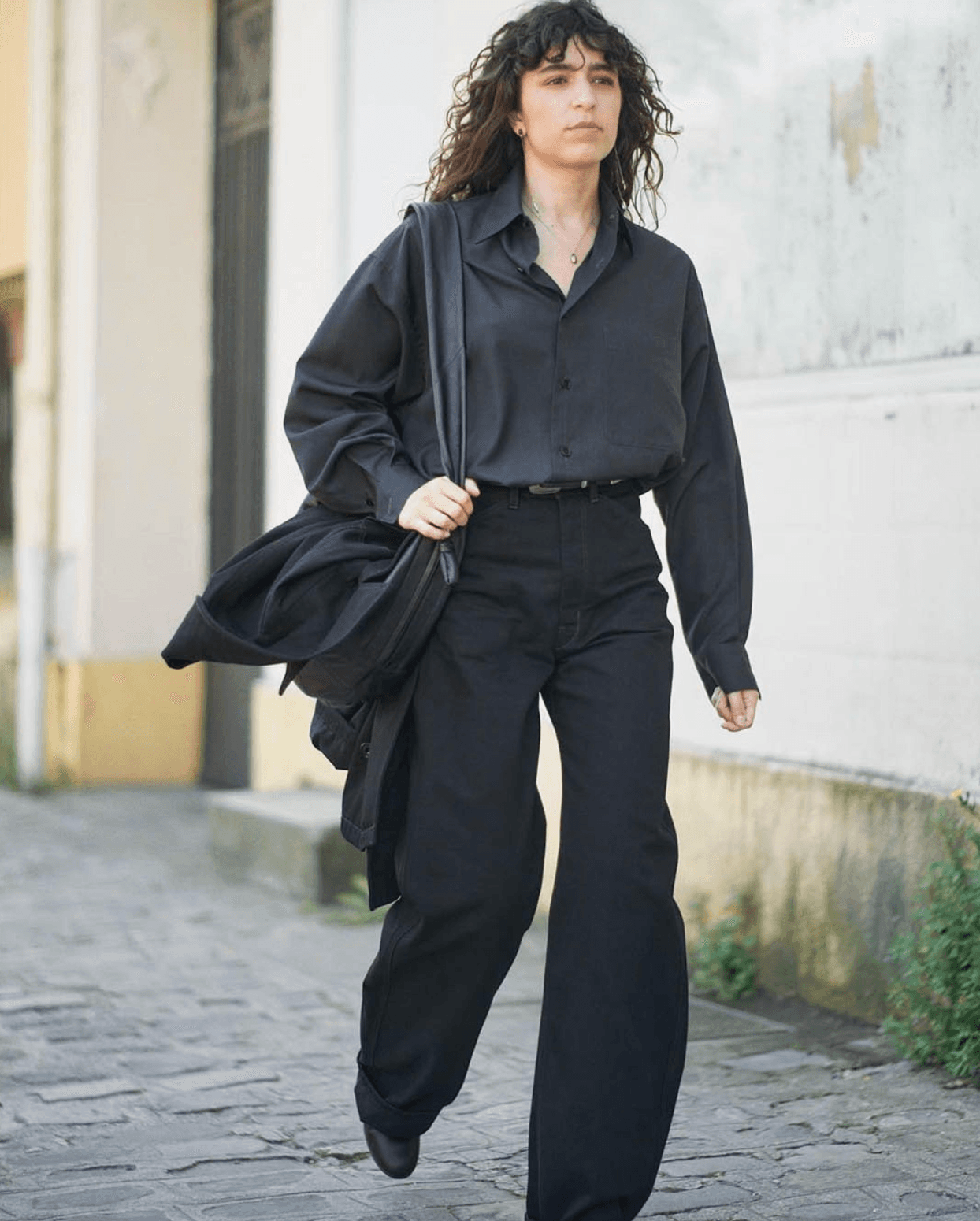
Japanese aesthetic philosophy translated into cloth: undyed linen, indigo-dyed cotton with sashiko mending, boro patchwork, asymmetric hems in earth tones, beauty located in the fade and the repair rather than the finish
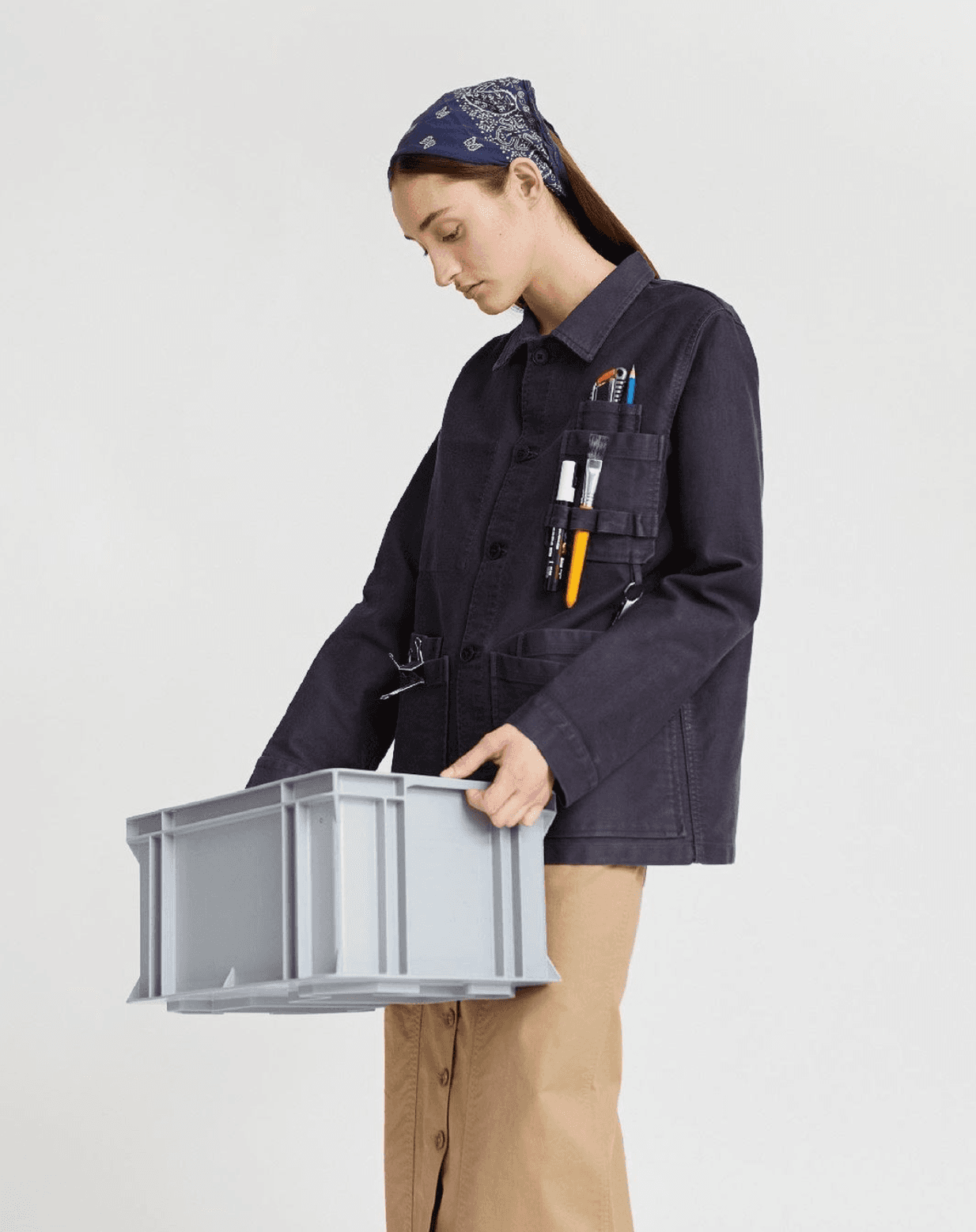
Workwear
Clothing built to survive manual labor, adopted as fashion for its durability and honest construction: duck canvas chore coats, riveted selvedge denim, leather work boots, triple-stitched seams, copper rivets, and the specific beauty of garments that improve with age

Y2K
Millennium-era pop maximalism fueled by dot-com optimism: ultra-low-rise jeans and velour tracksuits in baby pink and chrome, every surface rhinestoned into a declaration of confidence
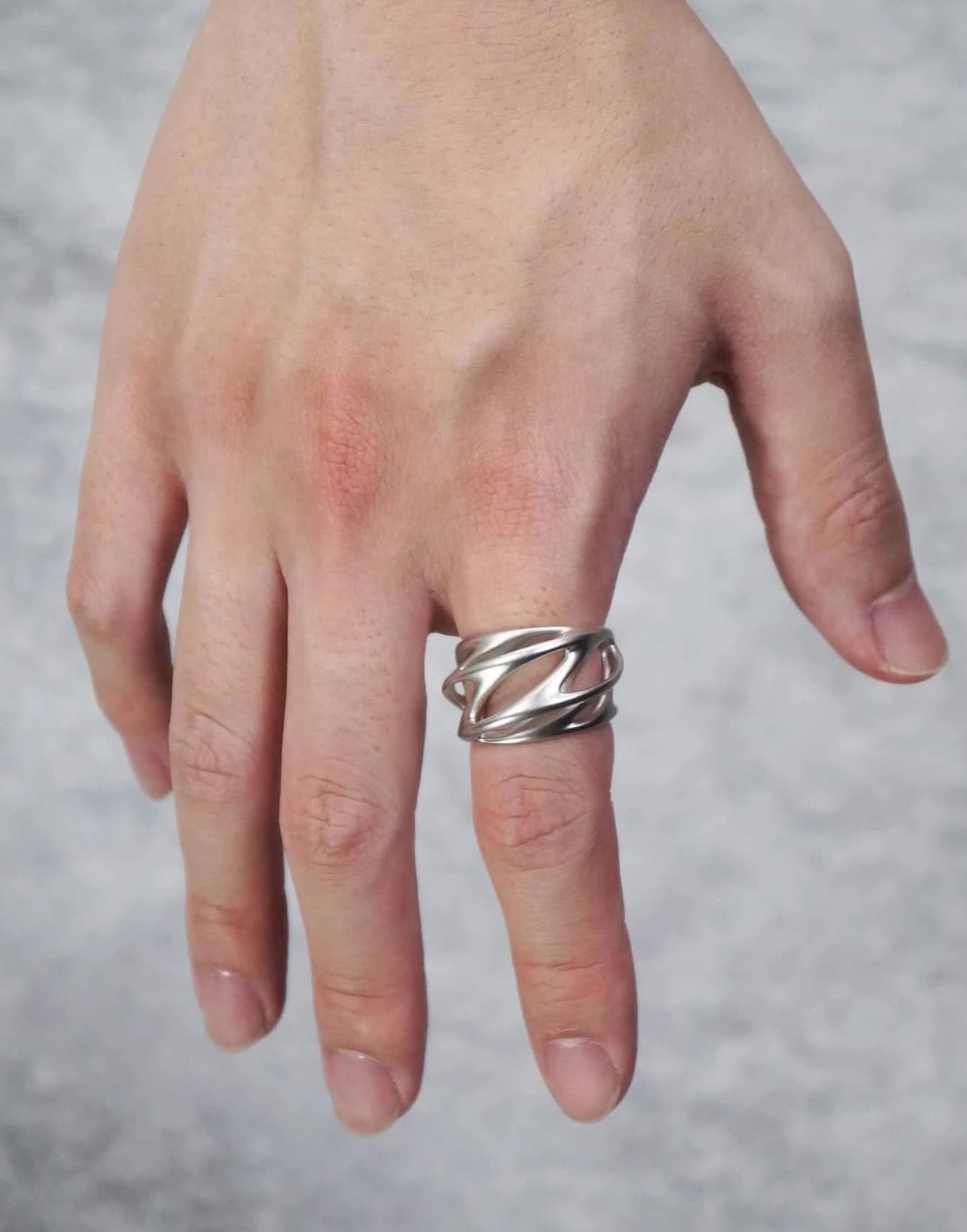
Y3K
Speculative year-3000 dressing: liquid-metal and holographic surfaces, sculptural silhouettes, and a silver-black palette with neon accents, amplified into pop culture by K-pop

Towards a Taxonomyof Fashion Aesthetics
Fashion aesthetics enter our lives through radically different genealogies. Some originate in art history or cultural movements; others emerge from architecture, interior design, or material culture before migrating onto the bodies we dress. Commercial aesthetics arise from mass market articulation, where the industry's chosen vocabularies are popularized through the attention economy's restless churn. Still others, particularly TikTok and internet aesthetics, crystallize through social media's trend cycles and algorithms.
Clothes function as wearable technology, embodying aesthetics and operating as visual language for self-expression. Fashion represents a crucial site of aesthetic (re-)production, developing and extending new aesthetic vocabularies on the singular premise of wearability. Unlike music, art, or other expressive forms that require active encounter, fashion constitutes a pervasive, quotidian aesthetic practice: everyone gets dressed every day. This positions fashion as distinct from other aesthetic mediums, by making the body itself the site of continuous aesthetic practice.
We take fashion seriously as a realm of artistic and cultural production, attending to the specific constraints and affordances of this medium, echoing what Anne Hollander calls fashion's unique "visual grammar" that operates through cloth, body, and movement. Our methodology prioritizes descriptive precision. This series of analyses attempt to parse aesthetics as they are. The work of naming comes first; description and interpretation follows.
Fashion history is a history of circulation. Aesthetic ideas move across time, geography, religion, and mediums. They are adopted, adapted, commercialized, reinterpreted, and sometimes misunderstood. This methodology aims to document those movements carefully, with attention to naming, attribution, and lineage.
Naming as Documentation
The act of naming an aesthetic is also an act of framing. Choosing whether to call something "streetwear," "hip-hop style," or a specific subcultural term shapes how it is understood and remembered. As Wittgenstein's language games suggest, naming defines the limits of what can be described (Philosophical Investigations, 1953). Berger and Luckmann note that categories transform lived experience into recognizable social forms (The Social Construction of Reality, 1966). This process is both necessary and imperfect: without names, patterns remain diffuse; with names, they become stable enough to study.
Cultural theorists such as Edward Said, Gayatri Spivak, and Dick Hebdige have shown that naming and classification can also reshape or obscure origins. In fashion, subcultural styles often migrate into mainstream discourse, sometimes losing context in the process. Our approach is not to adjudicate who may or may not wear something, but to trace how styles travel and to document where they first cohered as recognizable systems.
We therefore adopt two guiding commitments. First, to present aesthetic history with contextual clarity, acknowledging when styles emerged from particular communities, scenes, or conditions. Second, to document how those styles evolved as they moved into broader circulation, including commercial reinterpretations. The goal is historical accuracy and descriptive completeness.
Six Principles:
- Notability. We require verifiable evidence that an aesthetic is sufficiently established to merit documentation. Both primary and secondary sources are used.
- Source diversity. We triangulate across firsthand documentation, media artifacts, archival material, journalism, and scholarship to construct reliable accounts of origin and development.
- Neutrality. Entries maintain a descriptive tone. The aim is to clarify how aesthetics function, not to prescribe cultural positions.
- Lineage tracing. We identify clear genealogies and transformation points, documenting how one aesthetic evolves into another across time.
- Temporal relevance. Priority is given to aesthetics that retain contemporary relevance or have demonstrable historical continuity.
- Descriptive richness. Entries use precise garment terminology, construction vocabulary, and material specificity to create replicable visual understanding.
All aesthetic names are posthumous names. Baroque artists did not self-identify as baroque; indie sleaze practitioners did not call themselves indie sleaze. We look back and periodize, gathering scattered practices under labels that creatives themselves never used. Retrospective naming is not a failure of method but its condition: aesthetic vocabulary emerges from the work of seeing patterns across time and making those patterns legible through language.
Ursula K. Le Guin's "carrier bag theory of fiction" offers a model for understanding this process. Writing against the linear, hero's-journey narrative arc, Le Guin proposed fiction as a carrier bag: a technology for gathering, holding, bringing things home together. Aesthetic taxonomy operates similarly. It gathers dispersed visual instances, and carries them together into provisional coherence. We understand naming as an act of speculation and construction. Through naming, we make a claim about what connects these scattered practices, what allows them to be understood as variations on a shared grammar.
This retrospective gathering is simultaneously fiction and documentation. When we name an aesthetic, we retrofit coherence onto phenomena. For instance, we borrow the term "brutalism" and apply it to fashion, gathering references of concrete, architectural severity, naming geometric silhouettes and exposed seams. We construct that coherence by identifying shared formal properties and tracing them to common cultural-historical conditions. The fiction creates vocabulary where none existed, enabling recognition and analysis of visual patterns that were previously unnamed.
We welcome new terms. First, we actively coin neologisms when gaps exist in the aesthetic vocabulary, when we observe coherent visual patterns with no adequate existing language. Second, we legitimate terms emerging from internet and subcultural discourse when they demonstrate stability, specificity, and genuine descriptive utility.
This approach treats aesthetic vocabulary as a living, expanding system rather than a closed taxonomy. The goal is not comprehensive coverage of all possible aesthetics but the creation of precise, useful language for visual patterns that matter. Every name we introduce is a carrier bag, gathering instances into provisional stability.
While we actively coin terms when we observe coherent visual patterns, we also welcome ideas from our broader community. Practitioners, designers, collectors, stylists, and attentive observers often recognize emerging aesthetics before they reach academic or journalistic documentation. Community proposals help keep this taxonomy responsive to living culture, not just retrospective analysis.
At the same time, not every micro-trend needs a permanent name. Our goal is clarity, not proliferation. When considering new entries, we look for aesthetics that demonstrate coherence, cultural presence, and descriptive usefulness. The review process is designed to preserve the taxonomy's rigor while remaining open to thoughtful expansion.
Submission Guidelines
If you'd like to propose a new aesthetic entry, we ask for the following:
- Aesthetic name. Provide the proposed term. Indicate whether this is (a) a term you are coining, (b) emerging subcultural vocabulary, or (c) internet-native terminology. Briefly explain why this name is useful -- what visual patterns it identifies that existing vocabulary does not.
- Definition paragraph. Write 4--7 sentences outlining the aesthetic's essential character: what it is, where and when it emerged (or currently flourishes), who participates in it, and how it relates to adjacent aesthetics.
- Visual evidence. Submit 3--5 representative images that demonstrate the aesthetic's coherence. The images should show variation while maintaining clear visual relationships that justify grouping them under a single term.
- Evidence of cultural presence. Provide documentation that the aesthetic has achieved recognizable circulation. This might include media coverage, social media activity, designer or brand adoption, retail categorization, or secondary discussion. For internet-native aesthetics, evidence of stability across more than one trend cycle is especially helpful.
- Provisional history. Outline known origins, key milestones, and relevant communities. This does not need to be exhaustive; it simply helps determine whether sufficient material exists to support a full entry.
Proposals can be sent to contact (at) lekondo.com. We look forward to your submissions!
[1] Wikipedia: Manual of Style
[2] Aesthetics Wiki: Page Standards
[3] Know Your Meme: The Style Guide
[5] Ursula K. Le Guin, "The Carrier Bag Theory of Fiction," in Dancing at the Edge of the World: Thoughts on Words, Women, Places
[6] Anne Hollander, Seeing Through Clothes
[7] Roland Barthes, The Fashion System
[8] Dick Hebdige, Subculture: The Meaning of Style
[9] Edward Said, Orientalism
[10] Gayatri Chakravorty Spivak, "Can the Subaltern Speak?" in Marxism and the Interpretation of Culture
[11] Bell Hooks, Black Looks: Race and Representation
[12] Tanisha C. Ford, Liberated Threads: Black Women, Style, and the Global Politics of Soul
[13] Ludwig Wittgenstein, Philosophical Investigations
[14] Georg Lukacs, History and Class Consciousness: Studies in Marxist Dialectics
[15] Peter L. Berger and Thomas Luckmann, The Social Construction of Reality: A Treatise in the Sociology of Knowledge
[16] Walter Benjamin, The Arcades Project
[17] Joanne Entwistle, The Fashioned Body: Fashion, Dress and Modern Social Theory
[18] Elizabeth Wilson, Adorned in Dreams: Fashion and Modernity
[19] Georges Didi-Huberman, Confronting Images: Questioning the Ends of a Certain History of Art
[20] Michel de Certeau, The Practice of Everyday Life
[21] Vilem Flusser, The Shape of Things: A Philosophy of Design
[22] Sianne Ngai, Our Aesthetic Categories: Zany, Cute, Interesting
[23] Boris Groys, On the New