Y3K
Definition
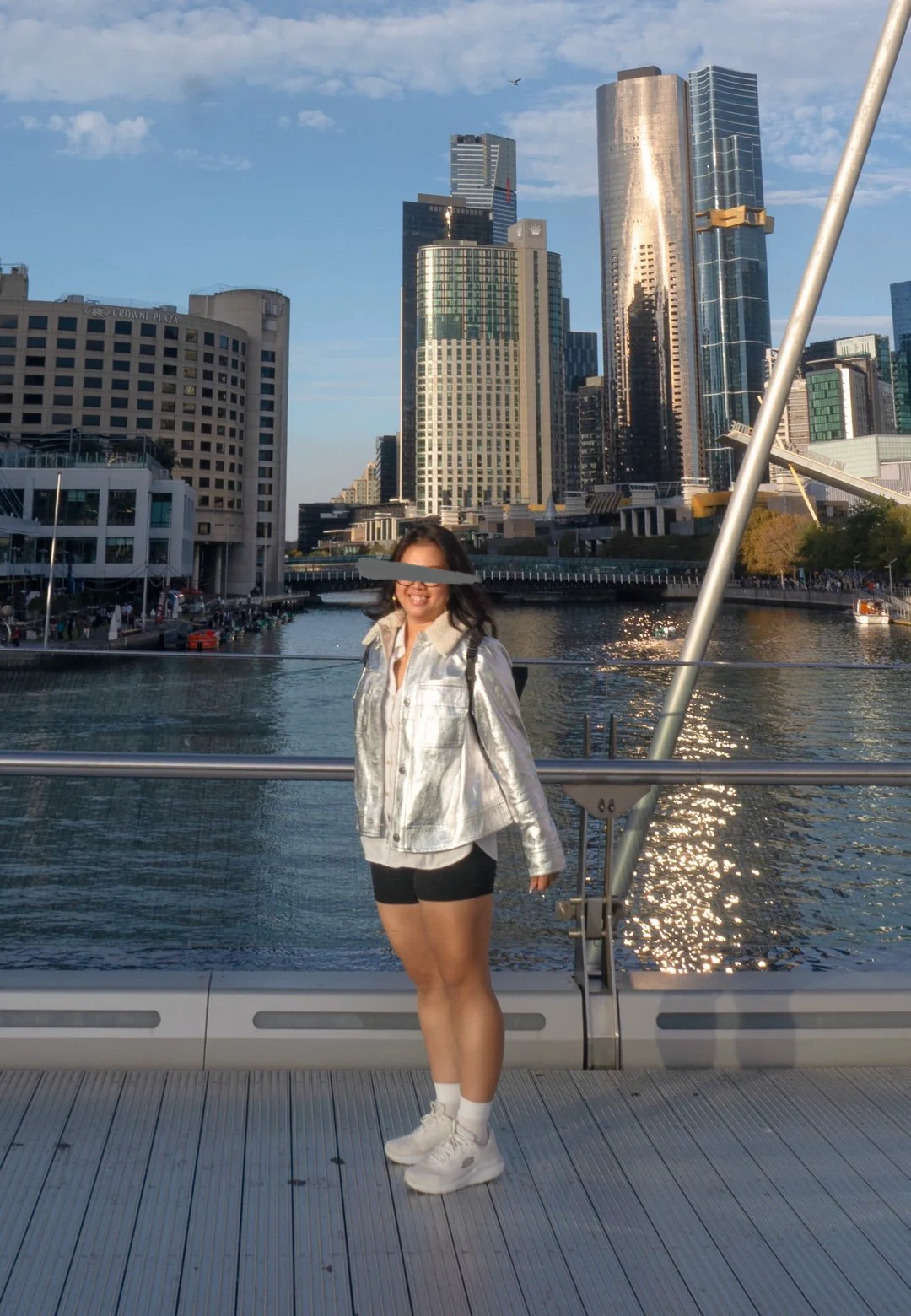
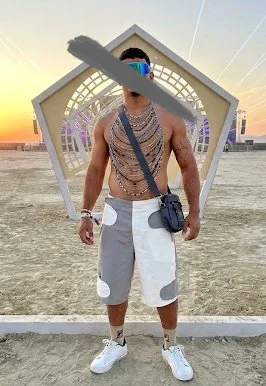
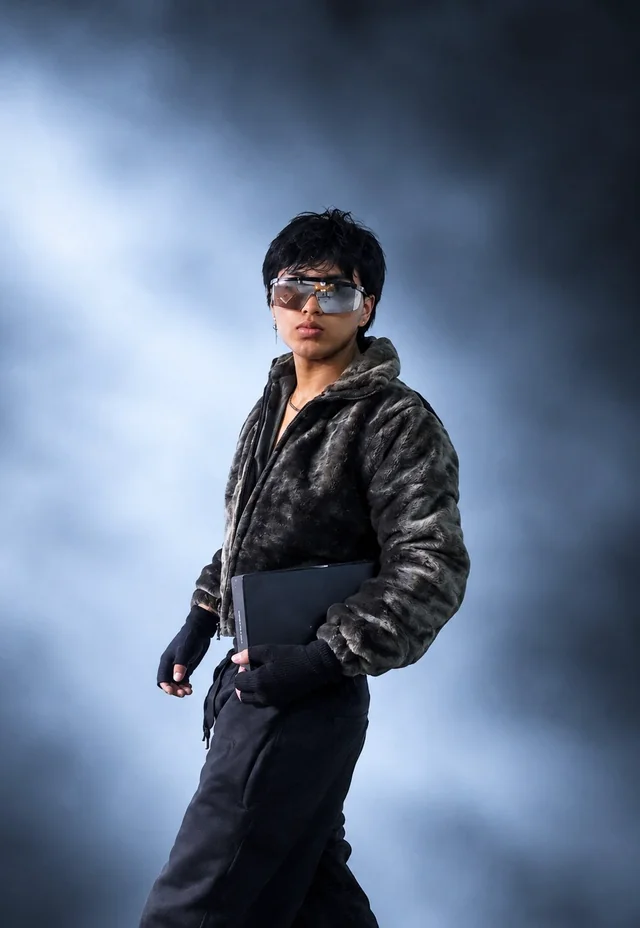
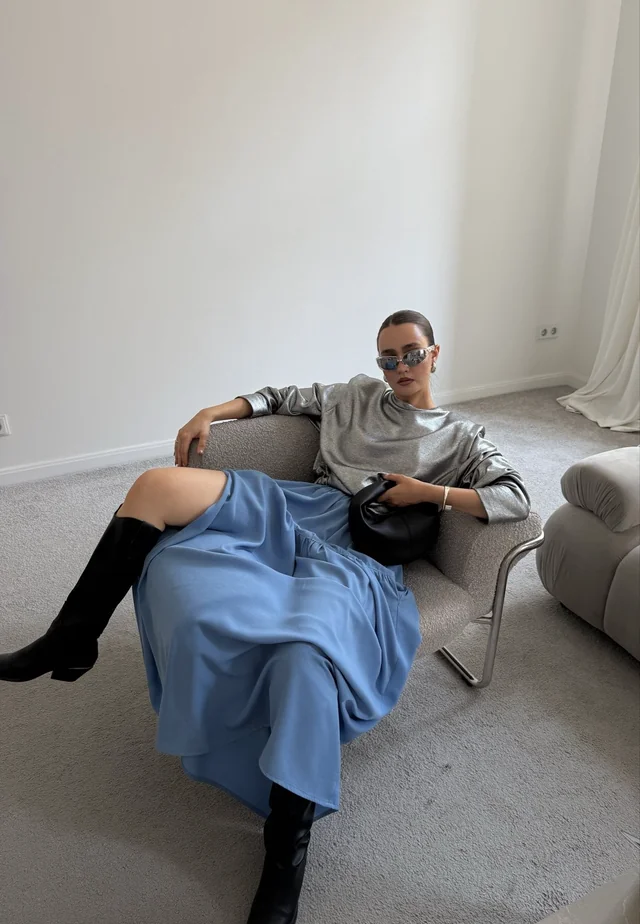
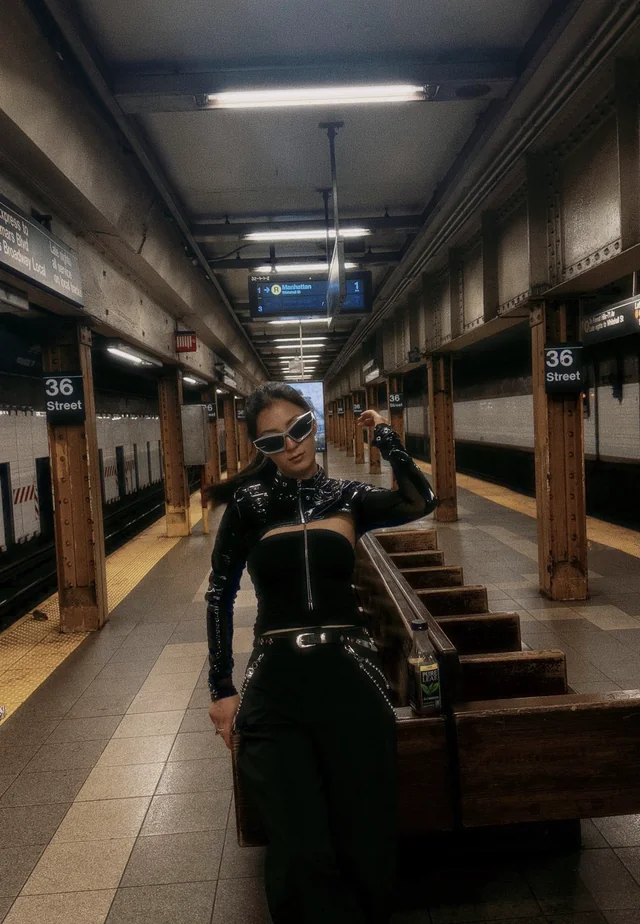
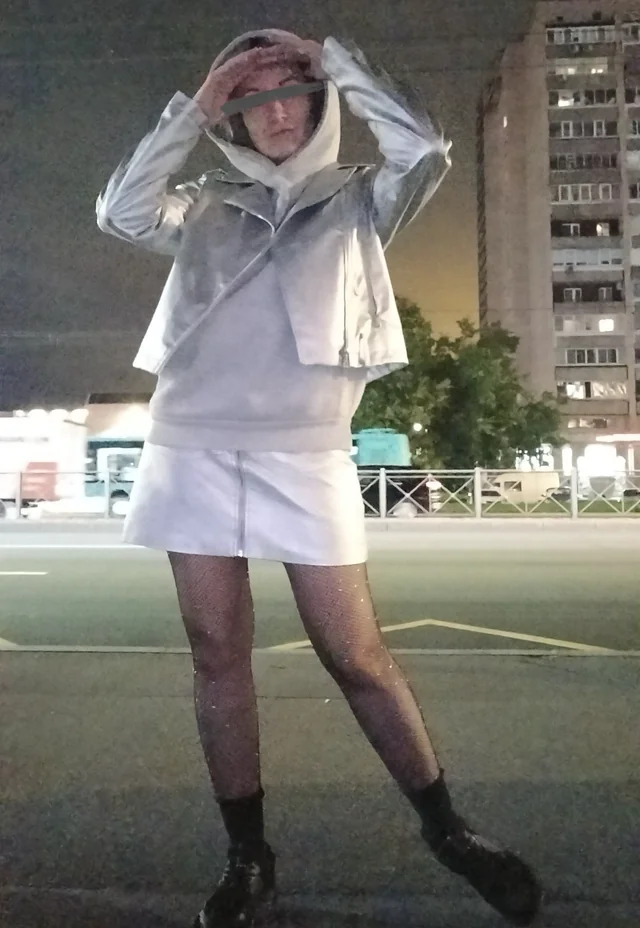
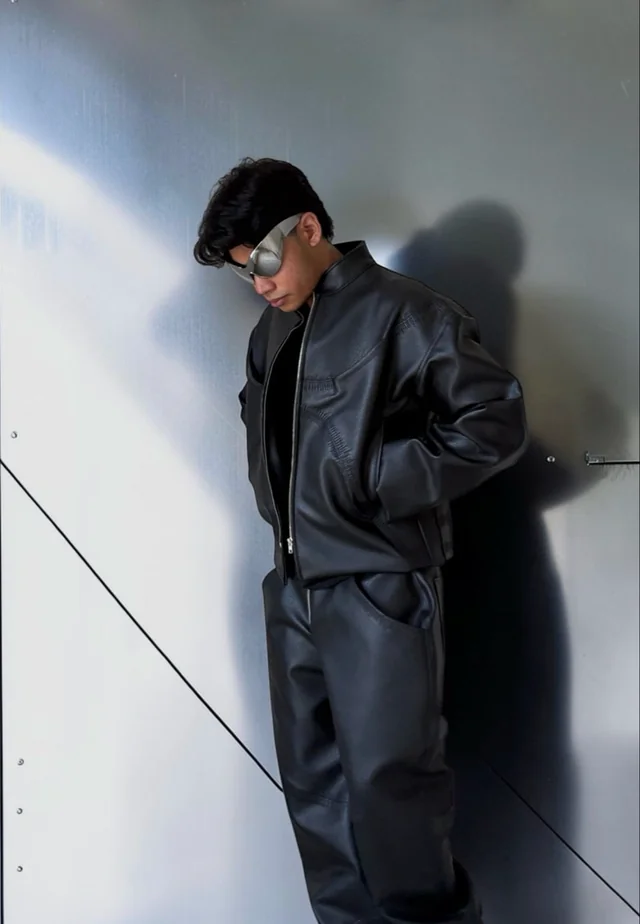
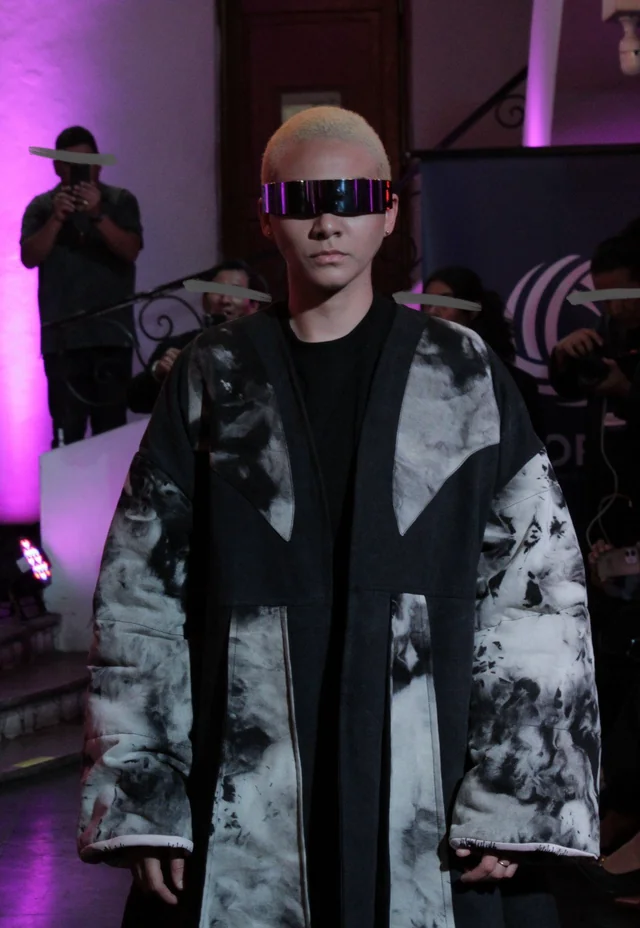
Y3K is a fashion aesthetic that imagines what dressing might look like in the year 3000. The name abbreviates "Year 3000" on the model of Y2K, but the relationship between the two is a contrast rather than a continuation. Y2K revives a real era and its actual garments; Y3K references no lived moment and builds its look from speculation about artificial intelligence, virtual identity, and post-human bodies. The term emerged in the early 2020s in aesthetic-driven communities on Pinterest and TikTok as a label for visuals that felt more futuristic than Y2K without relying on retro references. The look centers on reflective and liquid-looking materials, chrome and holographic finishes, sharp or sculptural silhouettes that can read as engineered rather than sewn, and a restrained palette of silver, black, and gunmetal grey with neon accents. K-pop carried the aesthetic into mainstream visibility, with groups like aespa and XG cited for virtual-avatar concepts and synthetic chrome styling, and Korean and European brands such as Gentle Monster and Heliot Emil supplying its hardware. Commentary splits on the aesthetic's mood: some coverage frames it as an optimistic futurism, while other writing reads it as a register of uncertainty about technology. The look accommodates both.
Visual Grammar
Silhouette
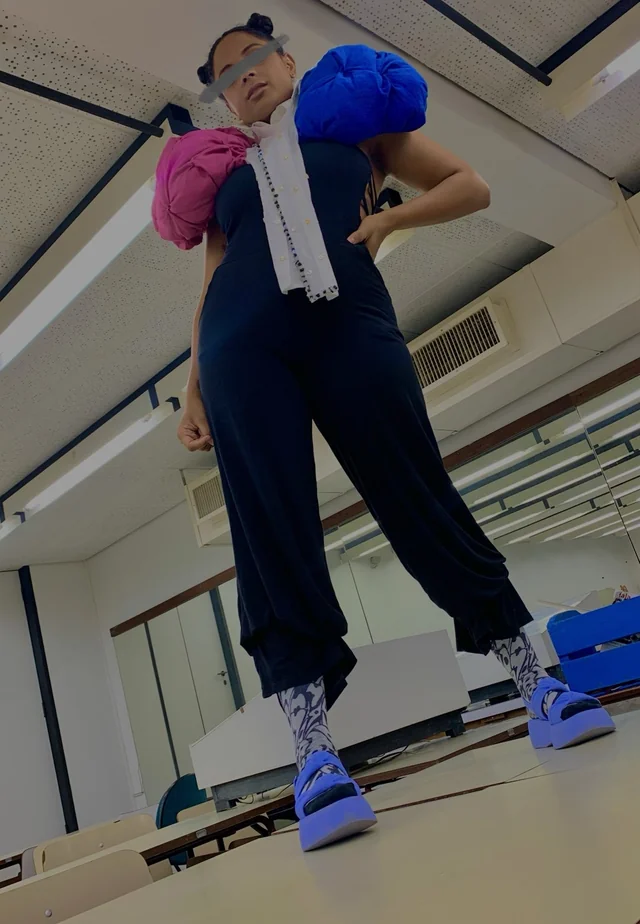
- sculptural volumes with exaggerated or engineered shoulders
- asymmetrical cuts and paneling
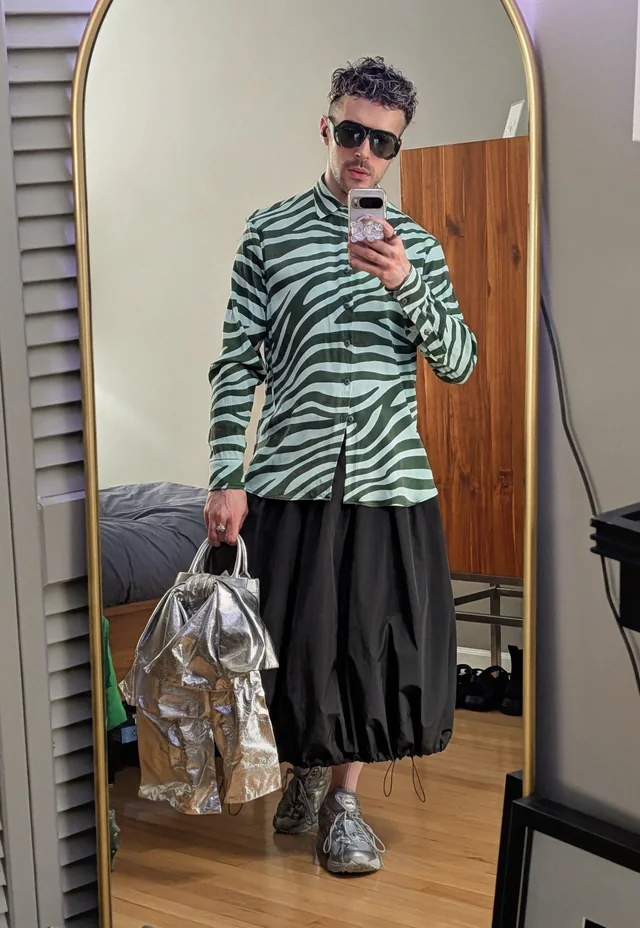
- fitted bases (tops, bodysuits) under baggy technical bottoms
- armored, plated, or segmented details
- wraparound shield sunglasses
- structured mini bags and hard-shell accessories
Materials
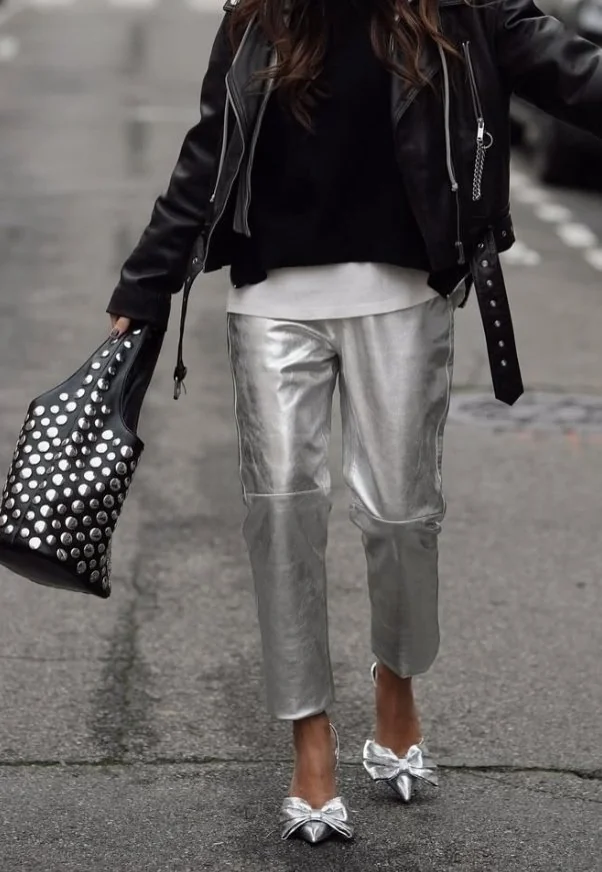
- liquid-metal and chrome finishes
- holographic and iridescent fabric that shifts color with the light
- vinyl and high-shine synthetics
- sheer technical mesh
- brushed and polished silver metal jewelry
- matte industrial synthetics as a counterweight to the shine
Construction
- pieces that look engineered or molded rather than sewn
- visible hardware (zippers, clasps, carabiners) as design elements
- mixing matte and reflective surfaces in one outfit
- garment shapes that hold their own structure off the body
Colors
- silver, black, and gunmetal grey as the base
- muted synthetic greys
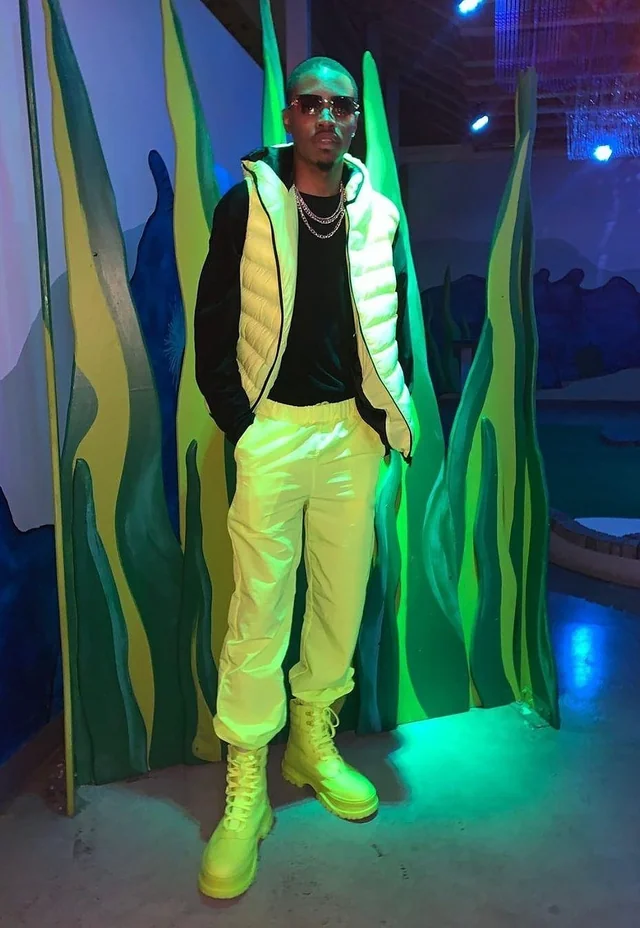
- neon accents in electric blue, acid green, and violet
- cool undertones throughout, no warm nostalgia tones
Footwear
- metallic sneakers
- chunky platform boots
- sculptural heels in chrome or vinyl
Body Logic
The body is treated as something engineered. Where Y2K frames the body with cropped and low-rise proportion, Y3K builds shapes that stand off it: molded panels, exaggerated shoulders, and asymmetric lines that read as wearable sculpture. In its most extreme editorial form the human frame stops being the reference point altogether, with clothing that suggests altered bodies, digital avatars, or machines, and styling that smooths skin and hair toward the synthetic. In everyday wear the logic relaxes to a fitted base worn under volume, with one or two futuristic elements, a chrome accessory or a holographic layer, carrying the signal. Skin shows through sheer mesh and cutouts, but the display reads cold and deliberate rather than playful.
Exemplars
- 01
aespa2020-present
The SM Entertainment group debuted in November 2020 with a concept built around ae, virtual avatar counterparts of the four members, and styling that matched the premise with chrome, vinyl, and synthetic finishes. Their videos and stage design made virtual identity a mainstream pop visual, and the group is one of the most cited reference points in discussions of Y3K.
- 02
XG2022-present
The Tokyo-based group under XGALX debuted in March 2022 and built its visual identity on cyber styling, metallic finishes, and post-human imagery across videos and promotional material. Alongside aespa, XG is regularly cited as a carrier of the aesthetic's synthetic, future-facing look.
- 03
Gentle Monster
The Korean eyewear label, founded in 2011, supplies the aesthetic's signature shield and wraparound sunglasses and stages its retail spaces as robotic art installations, with kinetic sculptures and machine imagery. Its collaborations circulate widely in K-pop styling.
- 04
Heliot Emil
The Copenhagen label founded by brothers Julius and Victor Juul builds collections around industrial hardware, carabiner closures, technical tailoring, and metallic and liquid-metal finishes, translating utilitarian components into sculptural runway pieces.
- 05
Coperni2022-present
The Paris label became a reference for technology staged as fashion spectacle when a dress was sprayed directly onto Bella Hadid from an aerosol fabric during its Spring 2023 show in September 2022. Later shows used robot dogs on the runway, folding live machinery into the presentation itself.
Timeline
2020-2021
aespa debuted in November 2020 with virtual avatar counterparts and synthetic chrome styling, putting post-human concepts at the center of mainstream K-pop. The Y2K revival peaked in the same window, and the contrast between its warm nostalgia and this colder futurism gave the emerging look its identity.
2022
XG debuted in March with cyber styling as its core identity. Coperni sprayed a dress onto Bella Hadid on the Spring 2023 runway in September, the year's most circulated image of technology performed as fashion. The Y3K label began circulating on Pinterest and TikTok as a name for future-facing visuals that did not read as retro.
2023-2024
The label consolidated across TikTok, Pinterest, and fast-fashion marketing as the Y2K revival cooled, with retailers building Y3K categories around metallic and cyber-inspired pieces. Usage broadened from editorial styling to everyday outfit content.
2025-present
Editorial coverage caught up to the label. V Magazine Asia described the aesthetic in January 2026 as having arrived a thousand years early, crediting K-pop with propelling it and citing Gentle Monster and Heliot Emil among its anchors.
References
- 01V Magazine Asia (@vmansea). "The #Y3K aesthetic has arrived a thousand years early." Instagram, January 24, 2026.
- 02Y2K Fusion. "What Is Y3K? The Aesthetic of an Imagined Future." January 28, 2026.
- 03Litlookz Studio. "Y3K Fashion: What Is Y3K Aesthetic? Outfit Ideas & Style Guide."
- 04Aesthetics Wiki. "Y3K."