Lekondo's
Ontology of Fashion Aesthetics

36 aesthetics

Clothing is expression without explanation. It influences how you’re seen and how you see yourself. Patterns of taste, mood, discipline, excess, and restraint repeat across time and culture. This is our guide to making that language visible.

Back to Ontology
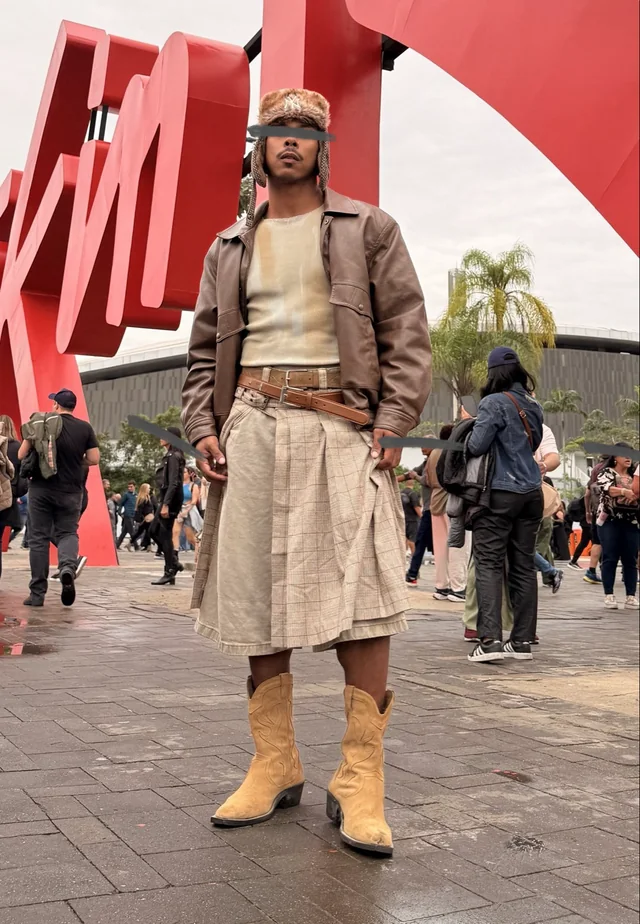
Workwear 1
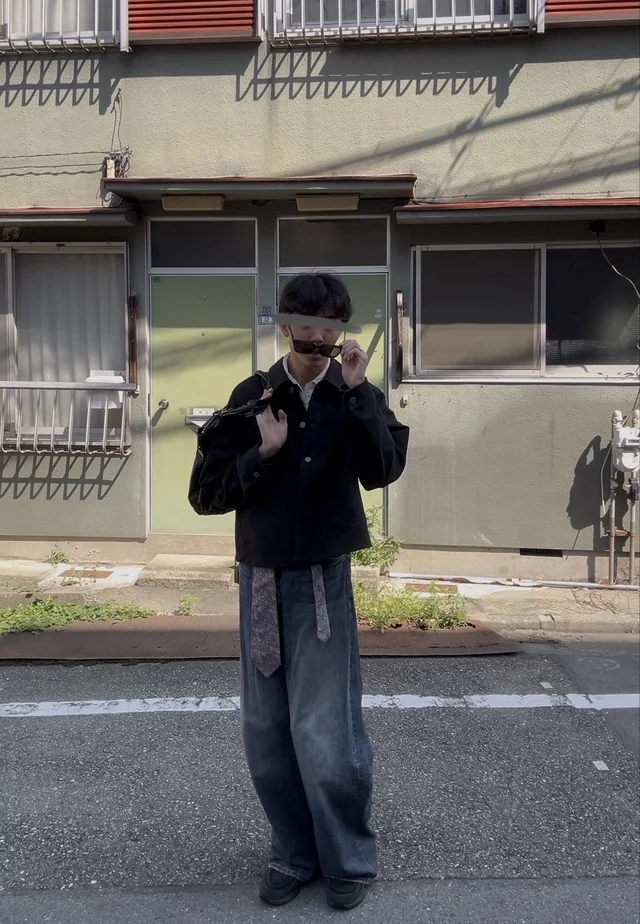
Workwear 2
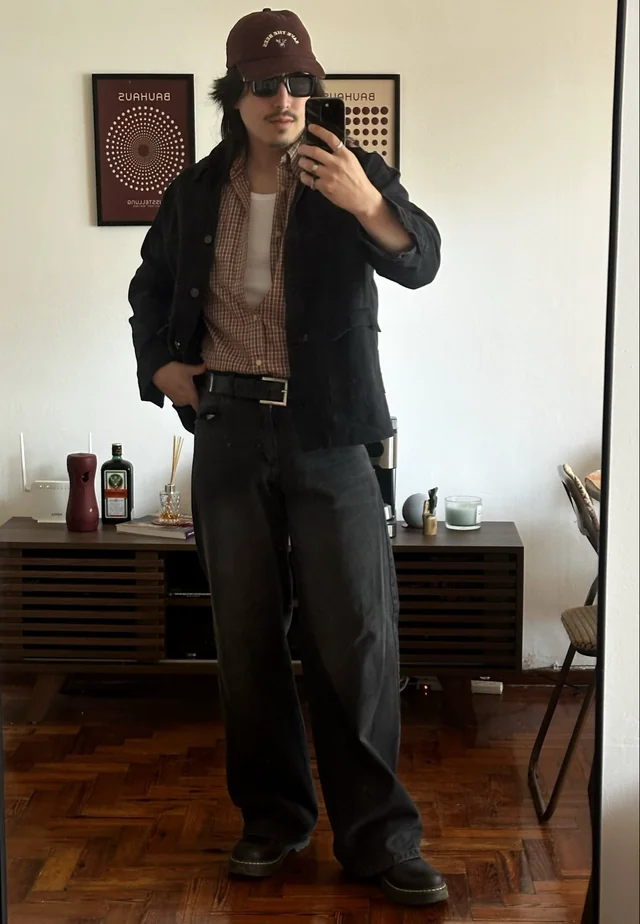
Workwear 3

Workwear

Summary. Workwear is a dress system in which garments originally engineered for manual labor — mining, logging, ranching, railroad construction, factory work, and building trades — are adopted as civilian clothing and evaluated through the construction logic that their trade origins demanded: tensile strength of woven cotton under sustained abrasion, riveted reinforcement at points of maximum stress concentration, pattern geometry that accommodates repetitive occupational movement under load, and material aging behavior that produces visible wear records (fades, patina, softening, repair accumulation) legible as evidence of use rather than defect. The aesthetic is governed by a durability-as-value logic: garments are judged by how they withstand friction, weight, weather, and time, and by how their degradation produces character rather than failure.

In Material Terms

Workwear's coherence depends on the mechanical properties of dense cellulosic textiles — primarily cotton duck canvas and denim — that gain suppleness and visual complexity through wear while maintaining structural integrity across thousands of stress cycles. A new pair of raw denim jeans is stiff, uniform, and undifferentiated; after six months of daily wear without washing, the same jeans have developed a unique topography of fades, creases, whiskers, and honeycombs that records the wearer's body geometry and movement patterns in the cloth. This transformation — controlled degradation as aesthetic production — is workwear's central material logic, and it distinguishes the category from fashion systems that define quality as the maintenance of original appearance.

At Category Level

Workwear occupies a contested boundary between trade utility and symbolic fashion. High-fidelity implementations (heritage-brand originals, Japanese reproduction garments) are evaluated through construction specifications: thread type and stitch count, rivet composition and placement, selvedge identification, hardware provenance, and pattern accuracy relative to historical models. Lower-tier implementations reproduce the visual grammar — chore-coat silhouettes, contrast stitching, tool-loop details — while substituting lighter fabrics, weaker seam construction, and decorative hardware that serve no structural function. This stratification is central to workwear discourse, because authenticity is judged not by silhouette alone but by the garment's capacity to perform under the conditions its form references — even when no labor is performed.

Methodologically

This entry treats workwear as a durability-engineering system: garments are analyzed by how they perform across stress, abrasion, weathering, aging, and repair, and by how their material behavior produces both functional resilience and visual meaning over time.

Word (Etymology)

A transparent compound ("work" + "wear") that, as an aesthetic category, exceeds its literal referent. In trade contexts, "workwear" denotes garments selected or mandated for occupational use — safety-toe boots, flame-resistant coveralls, high-visibility vests — evaluated purely through compliance with occupational health standards (OSHA, ANSI, EN). In fashion contexts, the same term denotes civilian clothing that borrows the construction logic, material language, and silhouette conventions of trade garments while deploying them for identity expression rather than occupational protection.

This semantic split is culturally productive. It enables workwear to operate simultaneously in two evaluative regimes — one grounded in occupational performance (Does the garment protect against the hazards of the task?), the other grounded in aesthetic authenticity (Does the garment credibly reference the construction logic of labor dress?). The tension between these regimes generates the category's characteristic debates about "real" versus "fashion" workwear, mirroring identical tensions in techwear (performance versus simulation) and gorpcore (field-tested versus lifestyle-adopted).

In Japanese fashion discourse, the related concept circulates as "Americana" (アメリカーナ) or "heavy duty" (ヘビーデューティー), the latter term borrowed from the 1975 book Made in U.S.A. and the subsequent Heavy Duty Ivy movement that treated American work garments as objects of curatorial study. This Japanese terminology foregrounds the material-historical dimension — weight, construction, provenance — that English-language "workwear" sometimes obscures beneath lifestyle rhetoric.

Subculture

Workwear entered civilian dress through multiple subcultural pipelines, each reinterpreting labor garments according to its own evaluative logic, producing a layered community structure with distinct expertise economies.

Trade and union communities. The original user base: miners, loggers, ranchers, railroad workers, mechanics, and construction tradespeople for whom garment selection was a practical decision constrained by occupational hazard, physical demand, and economic limitation. Within these communities, garment knowledge was transmitted through apprenticeship and workplace observation — you wore what your crew wore, selected for task-specific performance (flame resistance for welders, abrasion resistance for concrete workers, tear resistance for brush clearers). Brand loyalty was grounded in field-tested durability: Carhartt dominated cold-weather construction in the American Midwest and Northeast; Dickies served mechanics, service workers, and warehouse labor; Ben Davis dressed West Coast tradespeople. This expertise was embodied rather than articulated — the knowledge of which garments survived a season of roofing or logging existed in workers' bodies and wardrobes, not in published reviews.

Punk, skinhead, and subcultural adoption (1970s–1980s). Work boots (Dr. Martens, steel-toe standards), denim, and utilitarian jackets migrated into punk and skinhead dress as anti-bourgeois signifiers. The adoption was deliberately confrontational: wearing labor garments in non-labor contexts declared class affiliation (real or performed) and rejection of middle-class fashion refinement. Vivienne Westwood's Seditionaries collections (1976–1980) formalized this recontextualization, treating work and military garments as raw material for punk bricolage. Skinhead dress codified specific workwear items (Fred Perry polo, Levi's 501, Doc Martens boots) into a precise uniform whose variations signaled political and subcultural subdivision.

Hip-hop and urban adoption (1990s–2000s). Black and Latino communities in New York, the Bay Area, and other urban centers adopted workwear brands — Timberland 6-inch boots, Carhartt jackets, Dickies pants — as durable, affordable, weather-resistant daily wear that simultaneously signaled toughness, self-reliance, and working-class identity. This adoption was practical (these garments survived urban winters and physical daily life) and cultural (they communicated an identity that rejected preppy or corporate dress codes). As with gorpcore's racialized history, workwear discourse frequently underrepresents this pipeline, centering white heritage-brand narratives while underrepresenting the Black and Latino communities that kept brands like Timberland and Carhartt commercially viable during periods when their original trade customer base was shrinking.

Japanese Americana and reproduction culture (1960s–present). Japan developed the most meticulous workwear expertise economy in global fashion. Beginning with Men's Club magazine's Ivy League coverage in the 1960s and intensifying through the Made in U.S.A. photo catalog (Heibonsha, 1975), Japanese enthusiasts studied American work garments as material-culture artifacts: documenting original selvedge denim loom configurations, analyzing rivet metallurgy, sourcing period-correct hardware, and reverse-engineering garment patterns from vintage originals. Brands like The Real McCoy's (founded 1988 by Hitoshi Tsujimoto), Buzz Rickson's (1993, specializing in military-adjacent workwear), Warehouse & Co. (1995), Full Count (1992), Iron Heart (2003), and Kapital (1984, Okayama) produced reproductions that met or exceeded the construction quality of the American originals they referenced. This community's evaluative criteria — loom type, shuttle versus projectile weaving, ring-spun versus open-end yarn, chain-stitch hemming, selvedge width, indigo application method (rope-dyed versus slasher-dyed) — represent the most technically specific expertise economy in workwear culture and have profoundly influenced Western enthusiast communities through online forums and retail.

Heritage revival and maker culture (2008–2015). The post-2008 recession produced a cultural turn toward "authenticity," craftsmanship, and material durability as values. Brooklyn, Portland, and similar creative-class urban centers became hubs for a workwear revival organized around selvedge denim, artisanal leather goods, heritage-brand reissues, and small-batch manufacturing. Publications like Put This On, Heddels, and The Denim Hound established online platforms for construction analysis, fade documentation, and brand evaluation. This community's expertise hierarchy valorized material knowledge (understanding the difference between Cone Mills selvedge and Japanese Kaihara denim, recognizing chain-stitch versus lockstitch hemming by sight, evaluating leather quality by grain, tannage, and patina behavior) and created a discourse in which workwear's cultural legitimacy was inseparable from construction literacy.

Sociologically, workwear is structured by overlapping expertise economies that evaluate garments through different registers: trade communities through occupational performance, subcultural communities through identity signaling, Japanese reproduction communities through historical fidelity, and heritage-revival communities through construction analysis. These registers do not always agree — a garment that satisfies a heritage enthusiast's demand for period-correct rivets may fail a tradesperson's demand for flame resistance — and their coexistence produces the internal debates about authenticity, adoption, and value that define workwear discourse.

History

The material history of workwear begins in nineteenth-century industrial textile production and the specific occupational demands that drove garment innovation. Each historical phase produced construction techniques and material solutions that subsequently became available for subcultural and fashion adoption.

Industrial foundation and patent era (1850s–1920s). The California Gold Rush (1848–1855) created demand for garments that could withstand the abrasion of mining labor. Jacob Davis, a Latvian-born tailor in Reno, Nevada, developed the riveted trouser in 1871, using copper rivets to reinforce pocket corners and fly attachment points where fabric tore under the stress of carrying ore samples, tools, and supplies. Unable to afford the $68 patent fee alone, Davis partnered with his fabric supplier, Levi Strauss, and the two received U.S. Patent No. 139,121 on May 20, 1873 — the founding document of modern workwear. The rivet was not decorative; it was an engineering solution to a stress-concentration failure that conventional stitching could not reliably address. This patent established the principle that would govern workwear construction for the next 150 years: structural innovation driven by occupational failure analysis.

Hamilton Carhartt founded his company in Detroit in 1889, producing bib overalls and chore coats for railroad workers. The Carhartt chore coat — duck canvas body, blanket-lined interior, corduroy collar, triple-stitched main seams — became the paradigm of workwear construction logic: heavy fabric resisting abrasion, insulating lining managing temperature, reinforced seams distributing stress, and a collar material (corduroy) chosen for softness against the neck during all-day wear. C.C. Filson began outfitting prospectors heading to the Klondike Gold Rush in 1897, establishing the "tin cloth" (paraffin-waxed cotton) garment tradition that provided water resistance through surface treatment rather than membrane technology — a low-tech weatherproofing approach that remains in production today.

Dickies (founded 1922, Fort Worth, Texas) and Ben Davis (1935, San Francisco) extended the workwear market to mechanics, warehouse workers, service-industry laborers, and tradespeople, producing garments at lower price points that prioritized functional sufficiency over premium construction. Their products — twill work pants, short-sleeve work shirts, coveralls — became the uniform base for mid-century American manual labor.

Military surplus and postwar diffusion (1940s–1960s). World War II military production massively expanded the industrial capacity for durable garment manufacturing. The M-1943 field jacket, HBT (herringbone twill) fatigue uniforms, and N-1 deck jackets introduced construction techniques — layering logic, reinforced elbows, snap-and-button closures, bellowed pockets — that postwar surplus stores distributed to civilian markets at discount prices. Returning veterans, accustomed to durable military garments, carried work-and-military-derived dress preferences into civilian life. The 1950s greaser subculture codified specific workwear items — white cotton t-shirts (originally military-issue undershirts), Levi's 501 jeans, engineer boots — into a rebel uniform that Marlon Brando (The Wild One, 1953) and James Dean (Rebel Without a Cause, 1955) projected into mass media.

Subcultural adoption and identity coding (1970s–1990s). Workwear entered successive subcultural vocabularies: punk (Dr. Martens, ripped denim, safety pins repurposing industrial fasteners), skinhead (precise uniform: Levi's, Doc Martens, Fred Perry, Crombie coat), hip-hop (Timberland, Carhartt, Dickies as urban durability dress), and queer/butch communities (work boots, flannel, denim as gender-disrupting dress that rejected feminine fashion codes). Each adoption reinterpreted the same material base — heavy cotton, durable leather, industrial hardware — through different identity logics, demonstrating workwear's unusual capacity to serve as raw material for divergent subcultural expression.

Japanese Americana and the reproduction turn (1965–2000s). The 1965 publication Take Ivy (Teruyoshi Hayashida, photographs of American Ivy League campuses) and the 1975 Made in U.S.A. catalog ignited Japanese interest in American casual dress as material culture. Throughout the 1980s and 1990s, Japanese manufacturers acquired decommissioned American shuttle looms (including Toyoda power looms, originally Japanese-manufactured, that had been exported to American mills like Cone Mills in North Carolina), reinstalled them in Okayama and Hiroshima prefectures, and began producing selvedge denim that replicated or exceeded the quality of mid-century American production. This was not imitation but archaeological reconstruction: brands like Sugar Cane, Flat Head, Studio D'Artisan (founded 1979, among the first Japanese selvedge denim producers), and Warehouse studied original Levi's, Lee, and Wrangler garments from specific decades, reverse-engineering yarn type, dyeing method, loom settings, and hardware to produce garments faithful to historical models that the American originals had long since stopped producing. The result was a quality inversion: by the 2000s, the most technically precise "American workwear" was being made in Japan.

Heritage revival, raw denim culture, and contemporary market (2005–present). The mid-2000s raw-denim movement — wearing unwashed, unsanforized denim for extended periods to produce personalized fade patterns — created an enthusiast community organized around patience, construction knowledge, and photographic documentation of wear evolution. Forums (SuperFuture, now defunct; Denimbro; Heddels; r/rawdenim) institutionalized comparative analysis of selvedge denim: fabric weight, weave character, indigo depth, warp-weft color contrast, shrinkage behavior, and fade trajectory. Heritage brands repositioned for this market: Red Wing introduced the Heritage line (2007), reprising classic boot models with premium leather and Goodyear-welt construction; Filson emphasized its tin-cloth and wool-mackinaw heritage; Carhartt launched Carhartt WIP (Work In Progress, European distribution since 1994, expanded through the 2010s) as a fashion-positioned sub-brand.

The 2010s streetwear-workwear convergence (Supreme × Carhartt, Palace × Dickies, Stüssy work-pant collaborations) introduced workwear silhouettes into hype-culture circulation, where garments were evaluated through resale value and drop scarcity rather than construction quality. Post-2020 normalization of "functional fashion" and gorpcore-workwear overlap further blurred the boundary between trade garment and lifestyle product.

Analytically, workwear's history is a sequence of context translations — from mine shaft to factory floor, from surplus store to punk venue, from Tokyo reproduction workshop to Brooklyn selvedge shop — in which the same construction logic (heavy cotton, reinforced stress points, functional hardware) is preserved while its social function, audience, and value regime are repeatedly renegotiated. The visual grammar persists; the labor it references progressively recedes.

Silhouette

Workwear silhouette is governed by occupational-movement geometry rather than by fashion proportion or body-sculpting intent. The characteristic forms — boxy jackets, straight-leg trousers, roomy coveralls — are engineering consequences of how garments must accommodate the repetitive, loaded, and often extreme-range movements that manual labor demands.

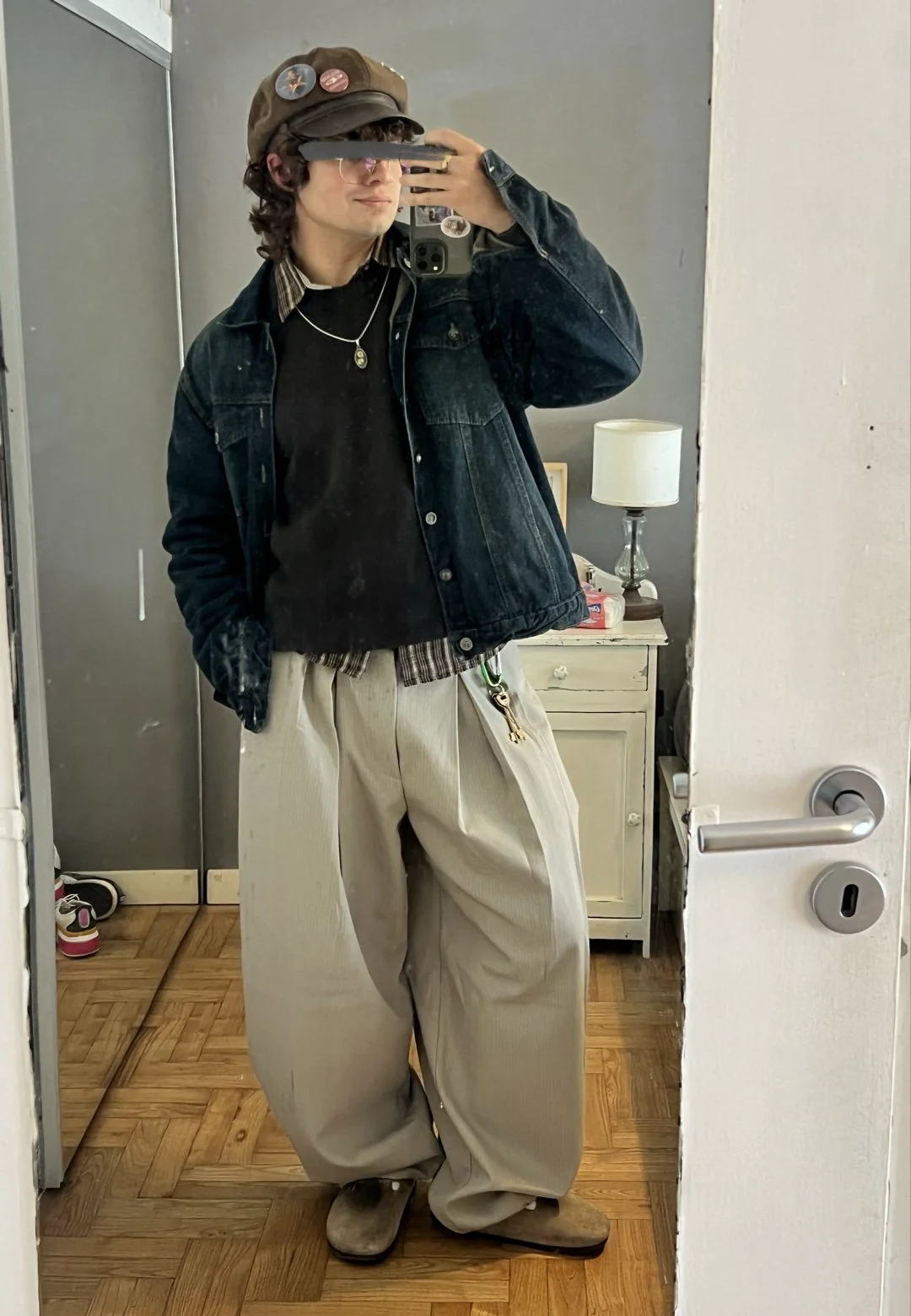
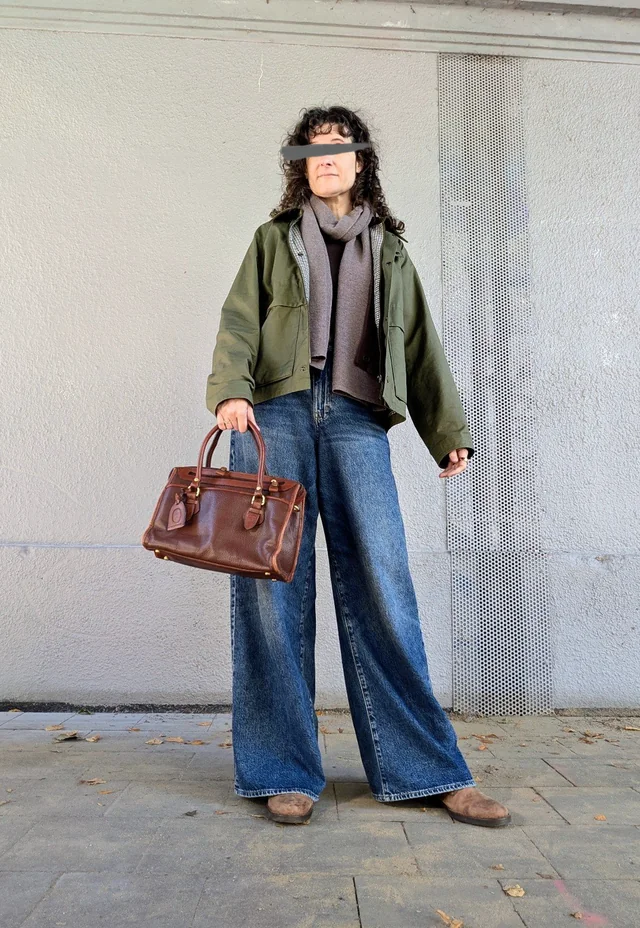
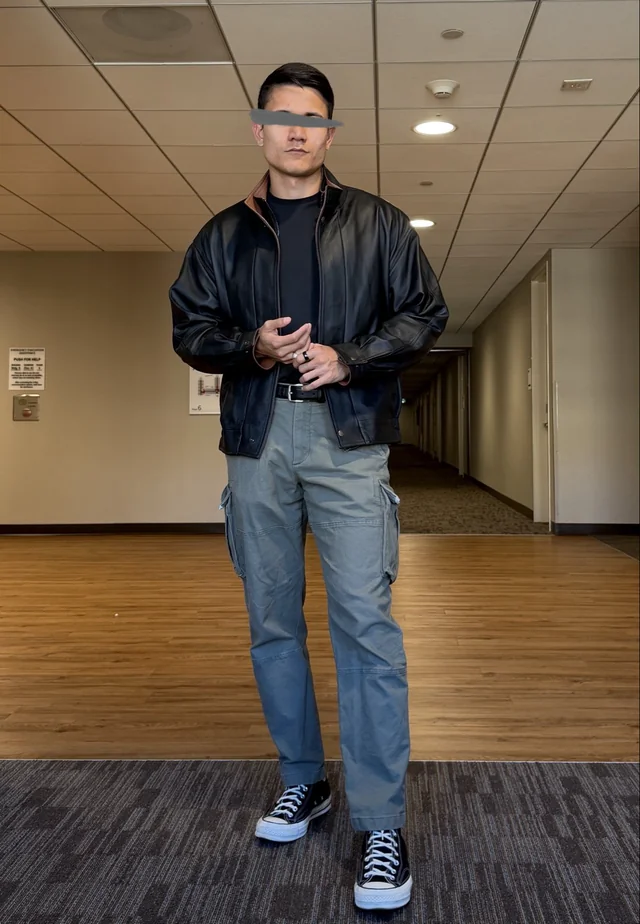
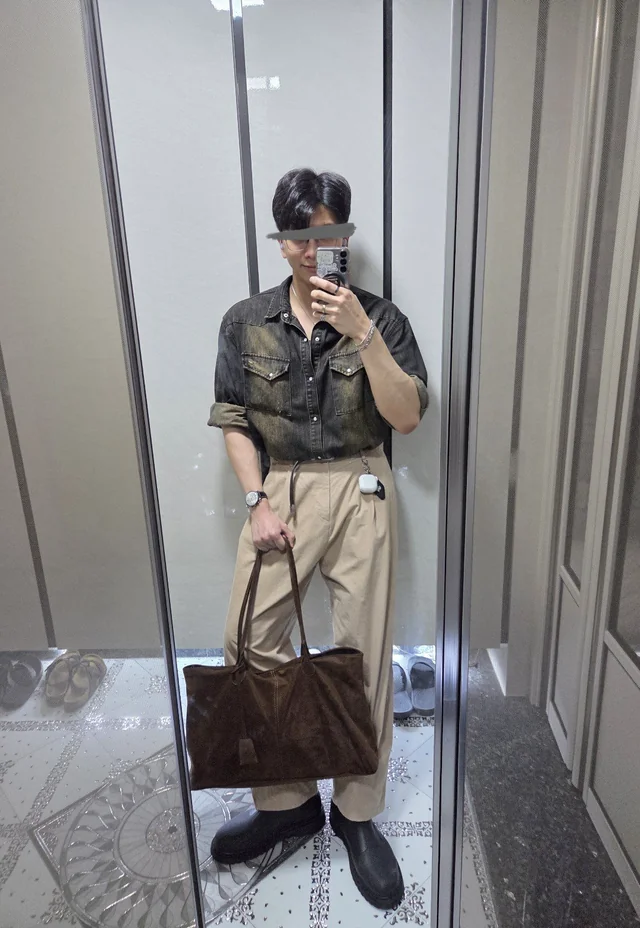
Chore coat and work jacket. The chore coat's boxy cut provides clearance for overhead reaching (framing, painting, electrical work above head height), forward bending (plumbing, floor work), and lateral arm extension (operating machinery, wielding tools) without the garment riding up, binding at the shoulder, or restricting arm circumference when muscles are engaged under load. The straight shoulder seam sits at or slightly past the natural shoulder point, distributing garment weight across the trapezius rather than concentrating it at the deltoid crease where a tailored shoulder would. The body is cut with minimal waist suppression because suppression creates tension points that resist bending and reduces the internal volume needed for layering insulating garments in cold-weather construction. Sleeve length extends to the wrist bone or slightly beyond, providing hand coverage during weather exposure while remaining clear of tool-grip zones.

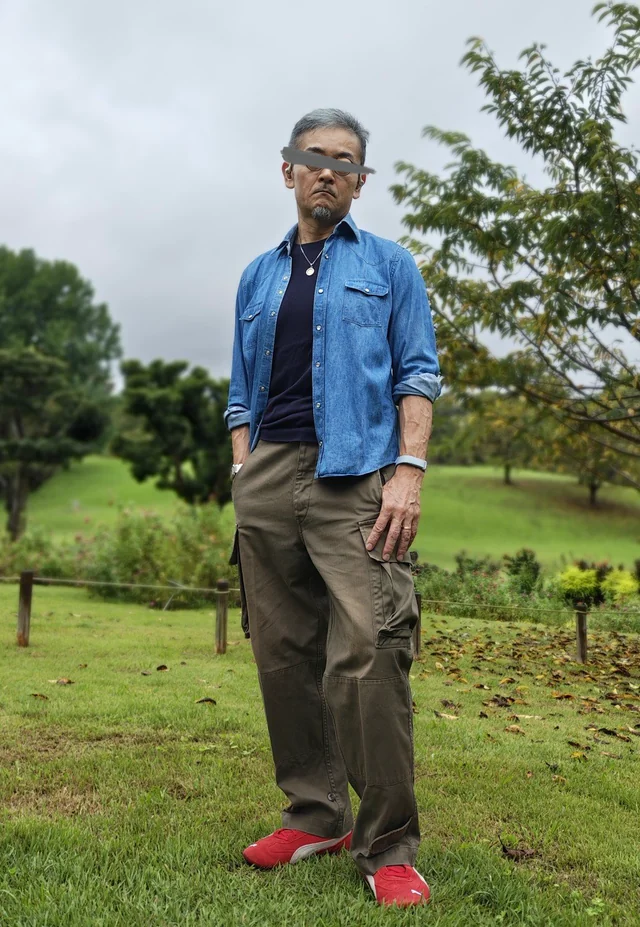
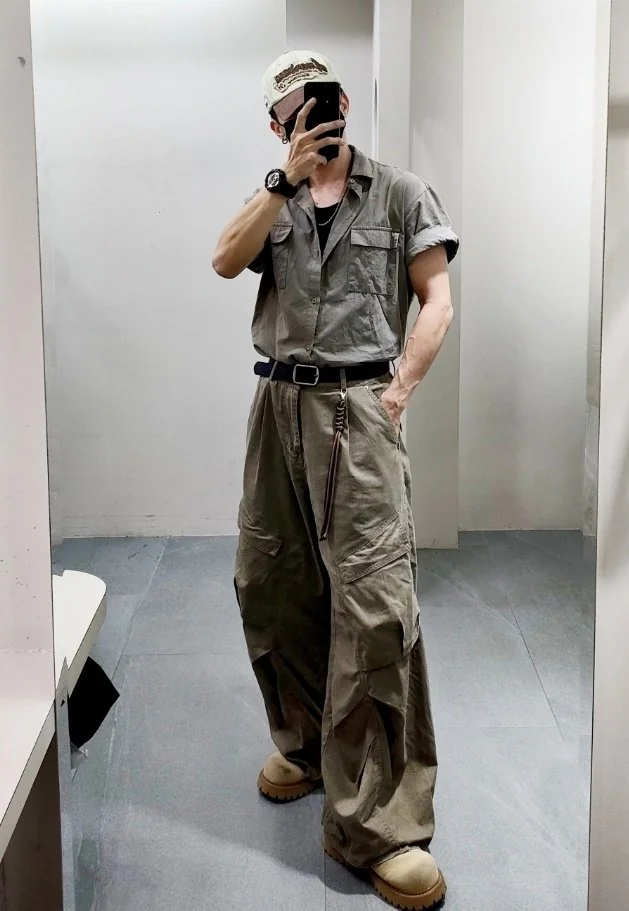
Work trouser and carpenter pant. Straight-leg or relaxed-fit trousers provide clearance for knee bending (squatting, kneeling, climbing ladders) without fabric binding at the thigh or knee. The rise (distance from crotch seam to waistband) is higher than fashion-trouser convention because a higher rise keeps the waistband above the hip bone during bending and squatting, preventing the gap-and-slide exposure that low-rise pants produce during labor. Carpenter pants add utility pockets — a narrow tool pocket on the right thigh for pencils, utility knives, or measurement tools; a hammer loop at the left thigh; double-entry cargo pockets with reinforced flap closures — each positioned relative to the hand's natural reach path while standing or kneeling. This pocket architecture is not decorative; it is ergonomic optimization for tool access during task-flow sequences.

Coverall and bib overall. The one-piece coverall eliminates the waist gap between separate top and bottom garments, providing continuous fabric coverage that protects against sparks (welding), chemical splash (industrial cleaning), and debris (construction demolition). Bib overalls redistribute garment weight from the waist to the shoulders via adjustable straps, reducing belt-line pressure during extended wear and providing a chest-covering bib that protects the torso while allowing arm freedom. These garments are workwear's most function-determined silhouettes — their form follows the specific protection and coverage requirements of hazardous or dirty labor.

As a result, workwear silhouette communicates capability rather than refinement. The body appears instrumented for task performance: room to move, room to layer, room to carry. Even when worn in non-labor contexts, the proportions retain their engineering logic as a visual grammar of durability and readiness — the garment is always implicitly "for" work, whether or not work is being done.

Materials

Material selection is workwear's primary truth-test and the domain where the category's construction logic is most empirically verifiable. Workwear textiles are evaluated through mechanical performance under sustained stress, aging behavior over extended use, and maintenance characteristics that determine service life.

Cotton duck canvas. The foundational workwear textile: a tightly woven, plain-weave cotton fabric measured by weight in ounces per square yard. Standard "duck" ranges from 7 oz (light-duty, used in linings and summer-weight garments) to 12 oz (standard Carhartt weight, suitable for general construction and agricultural use) to 15 oz+ (heavy-duty, used in extreme-abrasion applications like logging chaps and industrial aprons). The "duck" designation historically derived from the Dutch "doek" (linen canvas); American duck canvas is woven from plied cotton yarns in a plain (1×1) weave that maximizes thread density and abrasion resistance. The fabric's mechanical behavior improves with use: new duck canvas is stiff and boardy; repeated wear and washing progressively break down the cotton fiber's surface wax and align the cellulose chains, producing a softer hand feel and more compliant drape without proportional loss of tensile strength. This "breaking-in" process — which can take 100+ hours of wear — is a central feature of the workwear material experience and a reason the category values age over newness.

Waxed cotton (Filson's "tin cloth," Barbour's waxed-cotton jackets) adds water resistance through paraffin or proprietary wax impregnation. The wax fills interstices between cotton fibers, blocking water penetration while retaining breathability superior to rubber-coated alternatives. Wax treatment requires periodic reapplication (annually for heavy use, every 2–3 years for moderate use) using bar wax and a heat gun or iron to re-melt and distribute the coating. Aging behavior is distinctive: waxed cotton develops creased lighter areas where the wax has been displaced by folding, producing a wear-map that visually records the garment's use history. The maintenance burden is real but culturally valued — the act of rewaxing a jacket is itself a ritual that connects the wearer to the garment's ongoing service life.

Denim. A cotton twill weave (typically 3×1 right-hand twill) in which warp yarns are dyed with indigo and weft yarns remain undyed (white or ecru). Denim weight is measured in ounces per square yard: lightweight denim runs 8–11 oz, midweight 12–14 oz (the standard range for work jeans), and heavyweight 15–21 oz+ (selvedge enthusiast territory, where fabric stiffness and fade intensity increase with weight). The indigo dyeing process is critical to denim's distinctive aging behavior: indigo bonds to the surface of cotton fibers rather than penetrating them fully, meaning that abrasion physically removes dye from the fabric surface, exposing the white cotton core beneath. This produces the characteristic fade patterns — whiskers (diagonal creases at the hip-thigh junction), honeycombs (diamond-shaped creases behind the knee), train tracks (vertical fades along the outseam), stacks (horizontal creases above the hem from fabric pooling over boots) — that constitute denim's visual aging language. These fades are not defects but records: each pattern corresponds to a specific body geometry and movement habit, making a worn pair of jeans a unique document of its wearer's physical life.

Selvedge (self-edge) denim is woven on shuttle looms that produce a finished edge along the fabric's length, preventing unraveling without requiring overlocked seam finishing. The selvedge edge — visible when cuffs are rolled — functions as an authenticity marker and construction-quality indicator: shuttle-loom weaving is slower and produces narrower fabric (typically 30–34 inches wide versus 60+ inches from modern projectile looms), yielding a denser, more irregular textile with greater character and slower, more dramatic fade behavior. Japanese selvedge production (concentrated in Okayama and Hiroshima prefectures, using reconditioned Toyoda shuttle looms) represents the contemporary pinnacle of denim textile engineering.

Sanforization (a pre-shrinkage treatment patented by Sanford Lockwood Cluett in 1930) reduces residual shrinkage to less than 1%, producing dimensionally stable denim that fits predictably after washing. Unsanforized ("shrink-to-fit") denim retains 5–10% shrinkage potential, requiring the wearer to size up and accept that the garment will contract to a personalized fit through the first soak and subsequent wear — a process that enthusiasts value for its participatory, craft-like engagement with the material.

Failure modes and aging analysis. Denim fails through crotch blowout (abrasion between the inner thighs eventually wearing through the fabric, typically after 12–24 months of daily wear depending on wearer's gait and thigh contact), pocket-corner tearing (stress concentration at the bottom corners of front pockets where hands repeatedly pull fabric), and warp-thread breakage along high-abrasion fade lines (where indigo removal indicates the most stressed fibers). These failures are predictable and repairable: crotch blowout is addressed through darning or sashiko-style reinforcement stitching; pocket-corner tearing was historically the failure that rivets were invented to solve. Canvas fails through seam-line abrasion (thread wear at stitch holes under repeated flexion), snap and hardware loosening (spring-tension loss in snap closures after thousands of open-close cycles), and wax-coating degradation (loss of water resistance through abrasion, UV exposure, and solvent contact). Leather — used in work boots, belts, gloves, and aprons — fails through sole separation (adhesive or welt-thread degradation), grain cracking (loss of surface flexibility through desiccation when conditioning is neglected), and hardware corrosion (eyelets, buckles, and rivets deteriorating in salt or chemical exposure).

These failure modes are not peripheral to workwear analysis; they are central to how the category evaluates quality. A garment that fails prematurely at predictable stress points exposes construction shortcuts. A garment that fails gracefully — developing character, accepting repair, and continuing to function through its degradation — embodies workwear's core material logic.

Additional textiles. Moleskin (a dense, brushed cotton with suede-like nap, used in European work trousers and shirts) provides warmth through fiber surface area while maintaining breathability. Wool flannel (used in shirts, jacket linings, and heavy overshirts) offers natural temperature regulation and odor resistance but requires more careful maintenance than cotton due to felting risk under agitation and heat. Herringbone twill (HBT, the standard U.S. military fatigue fabric from WWII through Vietnam) provides a distinctive V-pattern weave that distributes stress more evenly than plain weave, making it preferred for garments subjected to crawling, kneeling, and ground contact. Ripstop cotton and cotton-nylon blends (used in contemporary work pants) add tear resistance through reinforcing threads woven in a grid pattern at regular intervals.

Color Palette

The palette is governed by functional pragmatism rather than seasonal trend logic. Indigo (denim's native color, ranging from deep near-black to pale sky blue depending on dye saturation and wear), brown duck (Carhartt's signature color, a warm tan-brown), black, khaki, olive drab, and dark navy constitute the foundational palette. These colors dominate because they satisfy overlapping requirements: they mask dirt, oil, grease, and minor staining that would render lighter or brighter garments unusable in trade contexts; they reduce visual distraction in work environments where attention should be on the task; and they coordinate easily across the modular workwear wardrobe (any indigo bottom combines with any brown or khaki top without chromatic conflict).

Natural aging behavior provides chromatic complexity within this narrow range. Indigo denim develops a spectrum of blue tones as wear removes surface dye unevenly — high-abrasion zones fade to pale blue or white while protected zones retain deep indigo, producing a richly varied topography within a single garment. Brown duck canvas lightens at creases and darkens at wax-heavy zones. Black denim and canvas fade toward charcoal grey. This chromatic evolution through use — rather than through dye or finishing choice — is central to workwear's visual language: color is earned, not selected.

High-visibility colors (safety orange, fluorescent yellow-green) appear in trade workwear where ANSI/ISEA 107 compliance requires visibility at distance, but these colors are largely absent from fashion workwear, which privileges the earth-tone palette that codes as "authentic" labor dress.

Details

Details in workwear are best understood as structural engineering interfaces — solutions to specific stress, access, and durability problems that, through context migration, have become recognizable style markers with specific construction logic.

Rivets. The copper rivet (Jacob Davis's 1873 innovation, U.S. Patent 139,121) addresses stress concentration at pocket attachment points. When a hand enters a pocket and pulls downward, tensile force concentrates at the pocket corner where fabric layers meet — the weakest point in a stitched construction. A rivet (a cylindrical metal fastener with a head on each side, clinched through all fabric layers) distributes this force across a wider area and through a mechanical connection that does not depend on thread integrity. Levi's removed rivets from back pockets in 1937 (at the request of consumers who complained that exposed rivets scratched furniture and saddles) and replaced them with bar tacks — dense clusters of parallel stitches that approximate the rivet's stress-distribution function through thread rather than metal. The rivet thus exemplifies workwear's detail logic: it exists because fabric failed under specific stress conditions, and its design directly addresses the mechanical cause of that failure.

Bar tacks. Concentrated zig-zag or parallel stitching applied at stress intersection points — pocket openings, belt-loop ends, fly attachment, and crotch-seam junctions. A bar tack functions as a localized reinforcement by creating a dense thread mass that resists the tendency of a seam to unravel or tear under concentrated pulling force. Bar-tack quality is readable: tight, uniform stitching with consistent width indicates precision manufacturing; loose, irregular, or narrow bar tacks indicate cost-cutting. Premium workwear brands often use contrasting thread in bar tacks, making them visible as quality indicators rather than concealing them as functional necessities.

Double-needle and triple-stitch seam construction. Standard garment construction uses single-needle lockstitch (one row of stitching). Workwear seams are reinforced through double-needle construction (two parallel rows of stitching, typically 1/4 inch apart) or felled seams (fabric folded to enclose raw edges, then stitched through four fabric layers), producing seams that maintain integrity even if one stitch row fails. Triple-stitch construction (three rows) appears at maximum-stress junctions like waistband attachment and yoke seams. The felled seam also prevents internal fabric edges from fraying against the body, reducing chafe during all-day wear — a comfort feature whose functional origin is durability rather than fashion refinement.

Chain-stitch hemming. Chain stitch (a looped stitch formed by a single thread, producing a chain-like appearance on the fabric's reverse) is the traditional hemming method for denim jeans, originally used because chain-stitch machines were faster and simpler to operate in industrial settings. When denim hems wear and shrink through laundering, chain stitch produces a distinctive "roping" effect — the hem twists slightly, creating an irregular, three-dimensional edge that accumulates indigo in the creases. This roping is now a sought-after mark of heritage construction; modern lockstitch hems lie flat and produce even fading. The distinction between chain-stitch and lockstitch hemming is one of the most accessible visual markers of construction quality in denim, readable from several feet away on a cuffed jean.

Hardware systems. Snap closures (Gripper, Scovill, Prym brands), metal buttons (donut-style riveted buttons on denim, shank buttons on jackets), metal zippers (YKK brass, Talon vintage, Waldes), and D-ring or slider adjusters constitute workwear's hardware vocabulary. Each component has specific failure modes: snap springs lose tension after several thousand cycles; button rivets can pull through fabric at the attachment hole; brass zippers corrode in salt environments; slider adjusters lose grip under UV-degraded webbing. Hardware longevity is a genuine quality differentiator — Japanese reproduction brands often source period-correct hardware (reproduction Talon zippers, vintage-spec Scovill snaps) to match historical garments, while fast-fashion workwear uses the cheapest available components regardless of cycling durability.

Contrast stitching. Visible topstitching in contrasting thread color (typically orange or gold thread on indigo denim, gold on brown duck) is not decorative in origin — it is an artifact of industrial production where colored thread improved visual quality control: an operator could immediately see stitch alignment, skip, and consistency against dark fabric. This functional origin has become an aesthetic signature so strongly associated with workwear that its removal (as in all-black or tonal workwear) registers as a deliberate stylistic choice — an absence that references the convention it departs from.

The distinction between structural interface and decorative citation is central to workwear critique. In genuine trade garments, every detail addresses a specific stress, access, or durability problem. In fashion workwear, details can accumulate as visual citations — hammer loops that carry no hammer, tool pockets that hold a phone — and the gap between functional purpose and symbolic display defines the category's authenticity gradient.

Accessories

Accessory systems in workwear extend the same durability-and-function logic as garments, forming an integrated labor-readiness kit that migrates to civilian contexts with varying degrees of functional retention.

Work boots. The category's most iconic accessory. Red Wing (founded 1905, Red Wing, Minnesota) produces Goodyear-welted boots where the upper is stitched to a welt strip that is then stitched to the outsole, creating a construction that can be resoled multiple times — extending boot lifespan to decades with proper maintenance. The Red Wing Iron Ranger (No. 8111) and Moc Toe (No. 875) are definitive heritage workwear boots. Thorogood (1892, Merrill, Wisconsin) produces American-made wedge-sole moc-toe boots favored by construction and service workers. Timberland's 6-inch premium waterproof boot, originally designed for New England construction workers, became one of the most consequential workwear-to-streetwear crossover objects in fashion history through its adoption by East Coast hip-hop communities in the 1990s. Dr. Martens 1460 (1960, Wollaston, England), originally a work boot with an air-cushioned sole, crossed into punk and skinhead subculture and subsequently into mainstream fashion.

Boot construction quality is evaluated through: welt type (Goodyear welt, Blake stitch, cemented/glued), leather quality (full-grain versus corrected-grain versus bonded leather), sole material (Vibram lug, crepe wedge, cork nitrile, leather), and last shape (the wooden or plastic form around which the boot is constructed, determining fit geometry). Goodyear-welted and stitchdown construction indicate resoleable, long-service boots; cemented construction indicates disposable, lower-cost manufacturing.

Leather goods. Work belts (heavy harness leather, 1.5 inches wide, single or double prong buckle), tool rolls, aprons, and satchels use vegetable-tanned leather that develops a pronounced patina through handling, oil absorption, and sun exposure. The patina is workwear's leather equivalent of denim fading — a visual record of use that signals durability and time investment. Horween Chromexcel (a proprietary pull-up leather tanned with a combination of chrome and vegetable agents plus hot-stuffed oils) has become the prestige leather in heritage workwear accessories, prized for its rich patina development and tactile warmth.

Utility accessories. Bandanas (originally sweat management and dust protection in mining, agriculture, and railroad work), canvas tote bags (L.L.Bean Boat and Tote, 1944, originally a log carrier for ice delivery), brass key chains and wallet chains (securing valuables during physical labor), and pocket knives (Opinel, Buck, Swiss Army — tools for cutting rope, opening packages, and dozens of small tasks) constitute the functional-accessory layer of workwear dress.

Body Logic

Workwear conceptualizes the body as a labor-performing machine that garments must protect, accommodate, and outlast. The body is understood as a source of force, friction, heat, and moisture that the garment system must manage without restricting the task-specific movements that generate those stresses. Pattern geometry provides clearance for loaded reaching, bending, squatting, and climbing; fabric weight provides abrasion shielding at contact points; hardware provides access to tools and fastening under gloved or soiled hands.

Gender coding in workwear is historically complex. Trade workwear was overwhelmingly designed for male bodies performing male-coded labor, and its straight-cut, boxy proportions reflect male body geometry as the default. Women's entry into industrial labor during World War II (Rosie the Riveter as iconography, millions of women in factories and shipyards as reality) produced women's workwear adaptations that largely followed existing construction logic with sizing modifications rather than redesigned proportions. In subcultural contexts, workwear's relative gender neutrality — its refusal of decorative femininity — has made it a resource for butch, queer, and gender-nonconforming dress. The flannel-shirt-and-work-boot combination, coded as masculine in trade contexts, was recoded as queer-feminist in 1970s–1990s lesbian communities, demonstrating how the same garment can shift gender signification entirely through wearer context.

In fashion contexts, workwear's body logic produces an aspirational identity: the wearer appears capable, physically competent, and self-reliant — whether or not any manual labor is performed. This aspirational coding can be analyzed through Bourdieu's concept of embodied cultural capital: wearing garments that reference physical labor claims a form of bodily competence (strength, durability, practical skill) that may be borrowed rather than earned. The tension between worn appearance and actual use is workwear's central body-logic contradiction.

Embodied use remains a real evaluative criterion within the category's most committed communities. A pair of raw denim jeans that develops fades from actual daily wear over 12 months communicates different bodily information than a pair pre-distressed at the factory — even when the visual result is similar. The authenticity hierarchy thus operates not only through construction analysis but through temporal legibility: can you tell whether the wear was lived or manufactured?

Garment Logic

Workwear construction begins with stress analysis and failure prevention rather than with trend silhouette or drape behavior. Core priorities include seam integrity under sustained tensile load, fabric resistance to abrasion and tearing at occupational-contact points, hardware reliability under repeated cycling with dirty, oily, or gloved hands, and pattern geometry that accommodates occupational movement ranges without excess fabric that could catch in machinery.

Seam engineering. Load-bearing seams (inseam, outseam, yoke, waistband attachment) use double-needle lockstitch or safety stitch (overlocked edge plus parallel lockstitch row) with thread engineered for tensile strength: spun polyester-wrapped cotton core thread provides the strength of polyester with the heat resistance and sewability of cotton. Thread count per inch (SPI) in premium workwear typically runs 7–9 SPI for structural seams; lower SPI indicates faster production with weaker seam integrity. Felled seams (flat-felled or lap-felled) provide maximum strength by stitching through four fabric layers while enclosing raw edges, preventing both seam failure and internal fraying.

Reinforcement systems. Rivets at stress junctions (pocket corners, fly attachment), bar tacks at termination points (belt-loop ends, pocket openings, fly base), and Cordura or leather patches at high-abrasion zones (knees in work pants, elbows in jackets) constitute a layered reinforcement approach that addresses different failure mechanisms: rivets prevent tension tearing, bar tacks prevent stitch unraveling, and patches prevent surface abrasion through-wear.

Quality stratification across market tiers. The workwear market splits into three construction tiers with radically different engineering priorities:

  • Trade-grade originals (Carhartt mainline, Dickies Flex, Wrangler RIGGS) prioritize occupational-safety compliance, functional hardware, and cost-per-wear economy. Construction is robust but not refined: stitch lines may be slightly irregular, fabric weight is standardized rather than curated, and finishing is minimal.
  • Heritage and reproduction (The Real McCoy's, Iron Heart, Mister Freedom, Buzz Rickson's) prioritize historical fidelity and construction maximalism: period-correct hardware, selvedge denim woven on shuttle looms, chain-stitch hemming, and hand-finishing details. These garments often exceed the construction quality of the historical originals they reference, at price points ($300–600+ for jeans, $400–1,000+ for jackets) that reflect material cost and small-batch production.
  • Fashion reinterpretation (Carhartt WIP, Engineered Garments, RRL, Visvim) translates workwear's construction vocabulary into fashion-context silhouettes, often using lighter fabrics, slimmer proportions, and decorative detailing that references utility without matching trade-grade robustness. Price points are high but reflect design, branding, and distribution rather than construction density.

Aftercare and maintenance. Raw denim requires specific care to preserve its fade-development potential: minimal washing (the raw-denim community recommends 6–12 months of wear before the first wash to establish crease patterns), cold water when washing does occur, hang drying to prevent shrinkage distortion and dryer-induced wear, and occasional spot-cleaning for localized stains. Freezing jeans to kill bacteria (a widely circulated folk remedy) has been debunked — bacteria survive freezing temperatures — but the practice persists as community ritual. Duck canvas benefits from brushing to remove surface dirt and occasional re-waxing for treated garments. Work boots require conditioning (leather oil or cream applied every 2–4 weeks during heavy use) to prevent grain cracking, cedar shoe trees to absorb moisture and maintain shape, and periodic resoling (Goodyear-welted boots can be resoled 3–5 times through their lifespan, extending service life to 10–20+ years with proper care).

Failure timeline analysis. A mid-weight raw denim jean (14 oz) under daily wear will typically show: visible whisker and honeycomb fading by 3–4 months; fabric softening and full-body fade development by 6–9 months; inner-thigh thinning and potential crotch blowout by 12–24 months (depending on wearer gait and thigh contact); eventual warp-thread breakage along high-stress fade lines by 24–36 months. Each failure stage is repairable: darning, patching, and sashiko reinforcement extend garment life, and the visible repair itself becomes a valued aesthetic element. This repair-as-continuation logic distinguishes workwear from categories where repair indicates failure (luxury fashion) or is not economically rational (fast fashion).

Motifs / Themes

Dominant themes include labor as identity, durability as moral value, repair as practice, heritage as authentication, and earned wear as aesthetic production. The workwear wardrobe presents the wearer as someone aligned with physical competence, material knowledge, and the working-class traditions that produced the garments' forms — whether or not the wearer participates in those traditions.

Brand heritage narratives function as founding mythologies: Levi's Gold Rush origin, Carhartt's Detroit railroad-worker story, Filson's Klondike outfitting history. These narratives perform cultural work by connecting contemporary garments to historical labor contexts, providing an authenticity infrastructure that justifies premium pricing and emotional attachment.

The "patina" motif — visible aging as value — links workwear to wabi-sabi and vintage culture while distinguishing it from fashion systems that define quality as the maintenance of original appearance. Patina requires time, use, and maintenance to develop; it cannot be purchased immediately (though pre-distressing attempts to simulate it). This temporal dimension gives workwear an anti-fast-fashion character that aligns with sustainability rhetoric, even as the "buy quality once" narrative is complicated by the consumer desire to acquire multiple heritage pieces.

The "maker" and "craft" motifs — emphasizing small-batch production, hand-finishing, traditional techniques — position workwear within a broader cultural economy of artisanal authenticity that emerged in response to globalized mass production. This positioning is both genuine (small workwear brands do employ traditional construction methods) and strategic (it justifies price premiums by associating garments with pre-industrial production values).

Cultural Touchstones

James Dean in Rebel Without a Cause (1955) — white t-shirt, Levi's 501, Red Wing boots — established the rebel-workwear template that subsequent subcultural adoptions would modify but never fully displace. Marlon Brando in The Wild One (1953) — leather jacket, denim, engineer boots — coded workwear as masculine danger. Rosie the Riveter (J. Howard Miller's "We Can Do It!" poster, 1943, originally produced for Westinghouse Electric) provided the iconic image of women in work dress, subsequently adopted as a feminist symbol. Bruce Springsteen's Born in the U.S.A. era (1984) — denim, flannel, work boots, white t-shirt — coded workwear as working-class American identity. Spike Lee's Do the Right Thing (1989) embedded Timberland boots and work-adjacent streetwear in Black urban iconography.

Heddels (founded 2011) and Put This On (2009) established online editorial platforms for workwear construction analysis, fade documentation, and heritage-brand evaluation, creating the media infrastructure for the category's contemporary expert community. The Made in U.S.A. catalog (1975, Heibonsha) and Take Ivy (1965, Hayashida/Kurosu/Hasegawa/Shitamichi) remain foundational reference texts for the Japanese Americana community.

Patagonia's "Don't Buy This Jacket" advertisement (The New York Times, Black Friday 2011) — while formally an outdoor-brand statement — echoed workwear's buy-quality-once, repair-instead-of-replace ethos, demonstrating the ideological overlap between workwear's durability logic and sustainability activism.

See Also

  • Americana: Heritage fashion tradition encompassing workwear, denim, and Western dress
  • Militaria / military surplus: Overlapping utilitarian construction and surplus-to-civilian migration logic
  • Gorpcore: Outdoor-to-urban migration paralleling workwear's labor-to-civilian trajectory
  • Raw denim culture: Specialized material-enthusiasm community organized around workwear's signature textile
  • Butch / queer fashion history: Workwear as subcultural uniform for gender-disrupting dress
  • Streetwear: Carhartt WIP, Dickies, and Timberland as crossover objects
  • Wabi-sabi: Shared valuation of aging, patina, and visible repair as aesthetic virtue
  • Japanese Americana: Specialized reproduction and curation community treating workwear as material-culture archive

Brands and Designers

Heritage / Trade-Grade Originals:

  • Levi Strauss & Co. (founded 1853, San Francisco): 501 as the foundational jean, U.S. Patent 139,121 for riveted construction, Cone Mills selvedge (discontinued 2017)
  • Carhartt (1889, Detroit): duck canvas chore coat, bib overall, Detroit Jacket — category-defining silhouettes for American construction labor
  • Dickies (1922, Fort Worth): twill work pant, Eisenhower jacket, coverall — mass-market trade workwear
  • Ben Davis (1935, San Francisco): "The Gorilla Cut" work pant, West Coast trade-and-subcultural staple
  • Filson (1897, Seattle): tin cloth (waxed cotton), mackinaw wool cruiser, Klondike heritage narrative
  • Red Wing Shoes (1905, Red Wing, Minnesota): Goodyear-welted work boots, Heritage line (Iron Ranger, Moc Toe, Blacksmith)

Japanese Reproduction / Heritage Maximalism:

  • The Real McCoy's (1988, Kobe): military-and-workwear reproductions to museum-grade fidelity, period-correct hardware sourcing
  • Buzz Rickson's (1993, Tokyo): military-adjacent workwear and flight-jacket reproductions
  • Iron Heart (2003, Goshu, Japan): heavyweight selvedge denim (21 oz flagship), fade-maximalist engineering
  • Warehouse & Co. (1995, Osaka): denim and workwear reproductions with period-specific yarn and weave sourcing
  • Full Count (1992, Osaka): ring-spun, unsanforized selvedge denim, slow-fade philosophy
  • Kapital (1984, Okayama): workwear foundation with avant-garde interpretation, boro-inspired repair and patchwork
  • OrSlow (2005, Tokyo): relaxed-fit workwear reproductions, vintage U.S. military and civilian sourcing
  • Studio D'Artisan (1979, Osaka): among the first Japanese selvedge denim producers

Contemporary / Fashion Reinterpretation:

  • Carhartt WIP (Work In Progress, European distribution 1994): fashion-positioned workwear, streetwear crossover, slimmer proportions
  • Engineered Garments (Daiki Suzuki, New York, 1999): workwear-military-ivy fusion, asymmetric detailing, pattern-mixing
  • RRL (Ralph Lauren, 1993): American heritage and workwear reproductions at luxury positioning
  • Visvim (Hiroki Nakamura, 2000, Tokyo): workwear and Americana through Japanese artisanal lens, natural dyeing, handcraft emphasis
  • Mister Freedom (Christophe Loiron, Los Angeles, 2003): Americana reproduction and original designs, vintage-informed manufacturing
  • Nigel Cabourn (Newcastle, England): British and military workwear heritage, vintage-sourced reproduction
  • Universal Works (Nottingham, England): relaxed British workwear, accessibly priced heritage construction

Citations

[1] Downey, Lynn. Levi Strauss: The Man Who Gave Blue Jeans to the World. University of Massachusetts Press, 2016. [2] Sullivan, James. Jeans: A Cultural History of an American Icon. Gotham Books, 2006. [3] Miller, Daniel, and Sophie Woodward. Blue Jeans: The Art of the Ordinary. University of California Press, 2012. [4] Comstock, Sandra Curtis. "The Making of an American Icon: The Transformation of Blue Jeans during the Great Depression." In Global Denim, edited by Daniel Miller and Sophie Woodward, Berg, 2011. [5] Fussell, Paul. Class: A Guide Through the American Status System. Summit Books, 1983. [6] Hebdige, Dick. Subculture: The Meaning of Style. Routledge, 1979. [7] Entwistle, Joanne. The Fashioned Body: Fashion, Dress and Social Theory. 2nd ed., Polity, 2015. [8] Kawamura, Yuniya. Fashion-ology: An Introduction to Fashion Studies. 2nd ed., Bloomsbury Academic, 2018. [9] Breward, Christopher. Fashion. Oxford University Press, 2003. [10] Wilson, Elizabeth. Adorned in Dreams: Fashion and Modernity. Revised ed., Rutgers University Press, 2003. [11] Crane, Diana. Fashion and Its Social Agendas: Class, Gender, and Identity in Clothing. University of Chicago Press, 2000. [12] Lipovetsky, Gilles. The Empire of Fashion: Dressing Modern Democracy. Princeton University Press, 1994. [13] Barthes, Roland. The Fashion System. Translated by Matthew Ward and Richard Howard, University of California Press, 1983. [14] Bourdieu, Pierre. Distinction: A Social Critique of the Judgement of Taste. Translated by Richard Nice, Harvard University Press, 1984. [15] Simmel, Georg. "Fashion" (1904). In Simmel on Culture: Selected Writings, edited by David Frisby and Mike Featherstone, SAGE, 1997. [16] Benjamin, Walter. The Arcades Project. Harvard University Press, 1999. [17] Marx, Karl. Capital: Volume 1. Translated by Ben Fowkes, Penguin, 1976. [On labor, commodity, and the garment as embodied production.] [18] Hayashida, Teruyoshi, et al. Take Ivy. Powerhouse Books, 2010. [Originally published 1965, Hayashida/Kurosu/Hasegawa/Shitamichi.] [19] Made in U.S.A. Heibonsha, 1975. Reprinted by Popeye/Magazine House, 2019. [20] Marx, W. David. Ametora: How Japan Saved American Style. Basic Books, 2015. [21] Keet, Philomena. The Tokyo Look Book. Kodansha International, 2007. [22] Hatch, Kathryn L. Textile Science. West Publishing, 1993. [23] Kadolph, Sara J., and Sara B. Marcketti. Textiles. 12th ed., Pearson, 2016. [24] Tortora, Phyllis G., and Sara B. Marcketti. Survey of Historic Costume. 6th ed., Fairchild Books, 2015. [25] Fletcher, Kate. Sustainable Fashion and Textiles: Design Journeys. 2nd ed., Earthscan, 2013. [26] Rivoli, Pietra. The Travels of a T-Shirt in the Global Economy. 2nd ed., Wiley, 2014. [27] Levi Strauss & Co. "The Invention of the Blue Jean." https://www.levistrauss.com/levis-history/ [28] Carhartt. "Heritage." https://www.carhartt.com/heritage [29] Heddels. "Denim Encyclopaedia." https://www.heddels.com/dictionary/ [30] Red Wing Heritage. "Our Legacy." https://www.redwingheritage.com/our-legacy/ [31] Horween Leather Company. "Our Leathers." https://www.horween.com/ [32] U.S. Patent No. 139,121. "Improvement in Fastening Pocket-Openings." Jacob W. Davis and Levi Strauss, May 20, 1873. [33] Davis, Angela Y. "Afro Images: Politics, Fashion, and Nostalgia." Critical Inquiry, vol. 21, no. 1, 1994, pp. 37–45. [34] Cluett, Sanford L. U.S. Patent No. 1,861,422. "Process for Treating Fabrics." 1932. [Sanforization patent.] [35] Torimaru, Tomoo. Denim: An American Story. Schiffer Publishing, 2016.