Lekondo's
Ontology of Fashion Aesthetics

36 aesthetics

Clothing is expression without explanation. It influences how you’re seen and how you see yourself. Patterns of taste, mood, discipline, excess, and restraint repeat across time and culture. This is our guide to making that language visible.

Back to Ontology
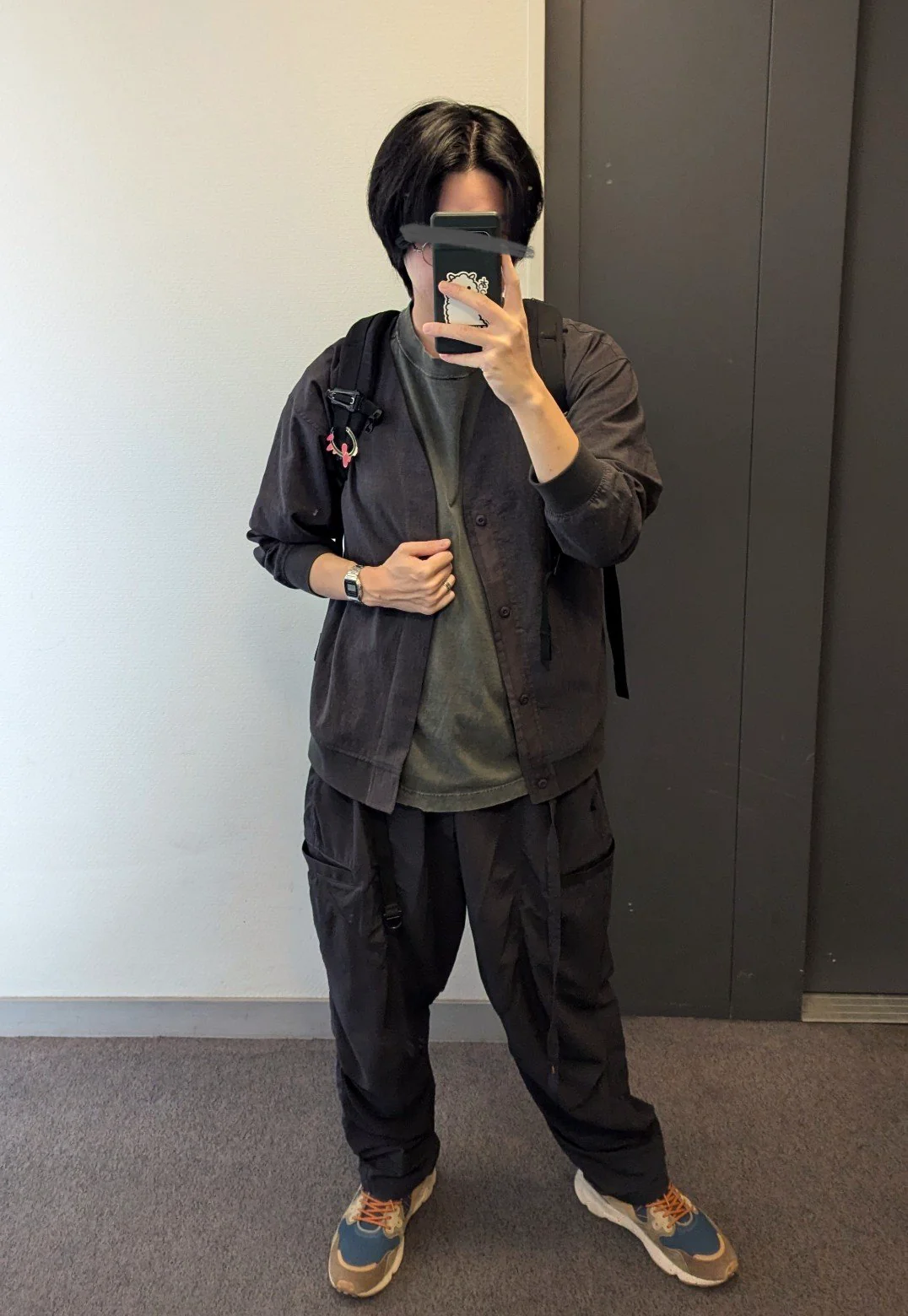
Techwear 1
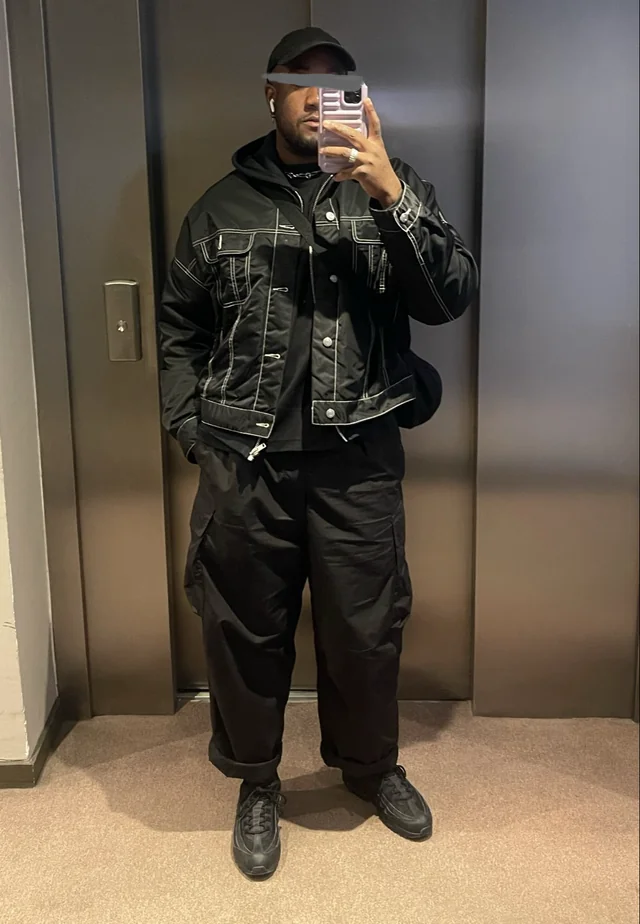
Techwear 2
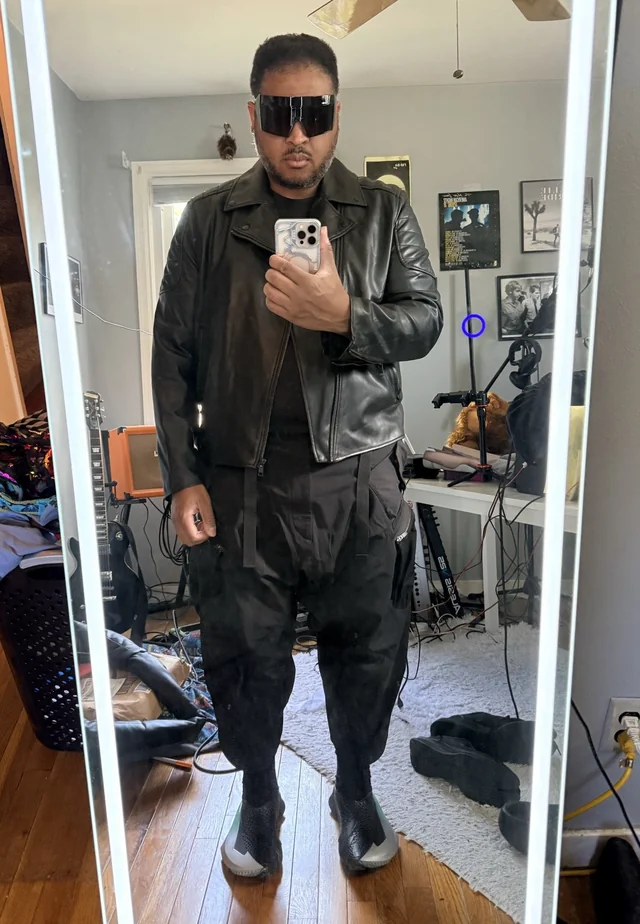
Techwear 3

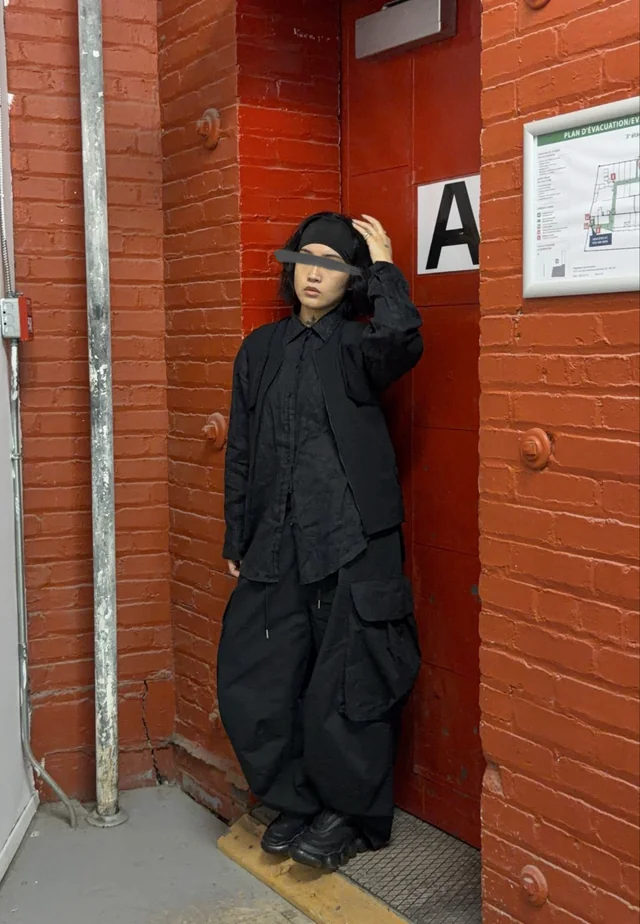
Techwear

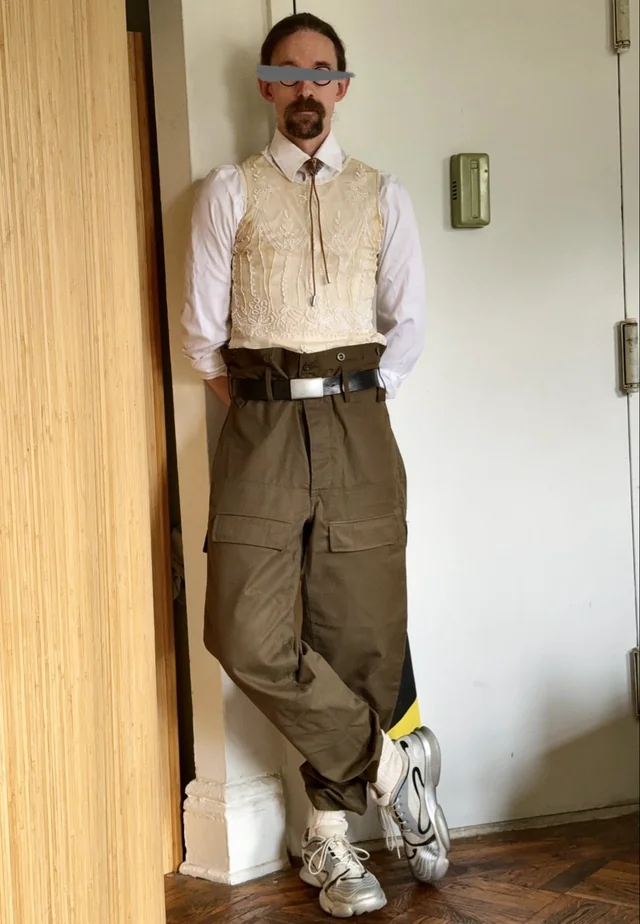
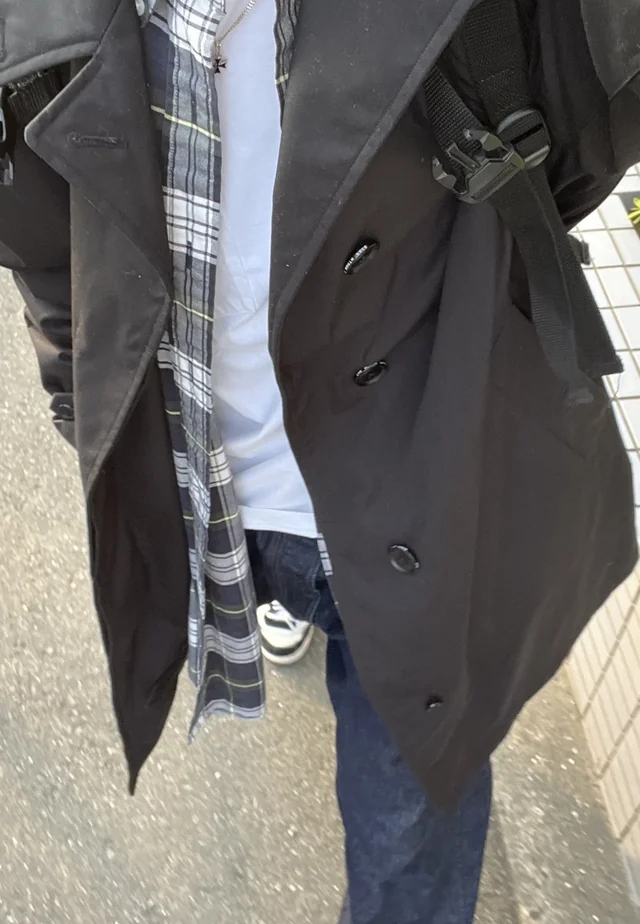
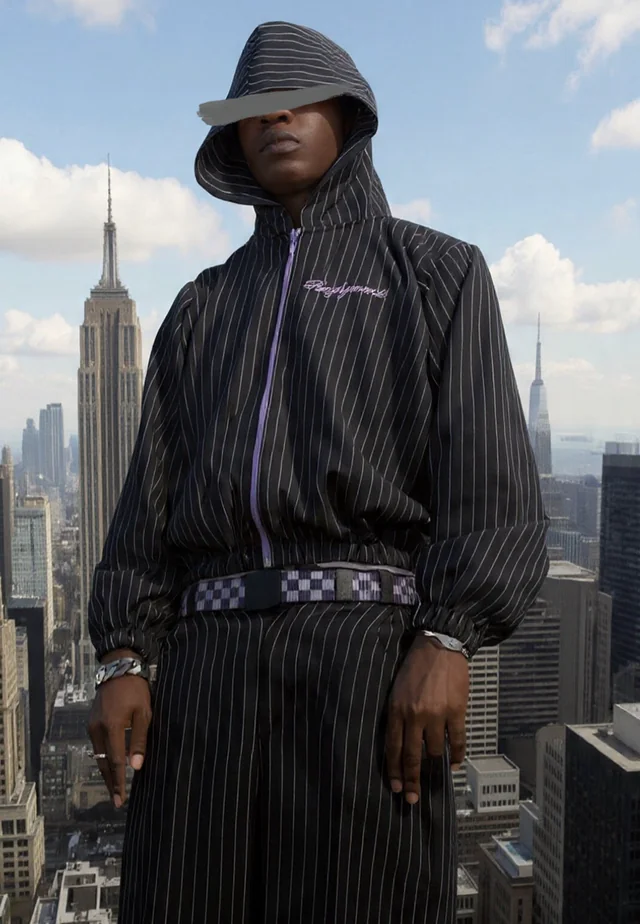
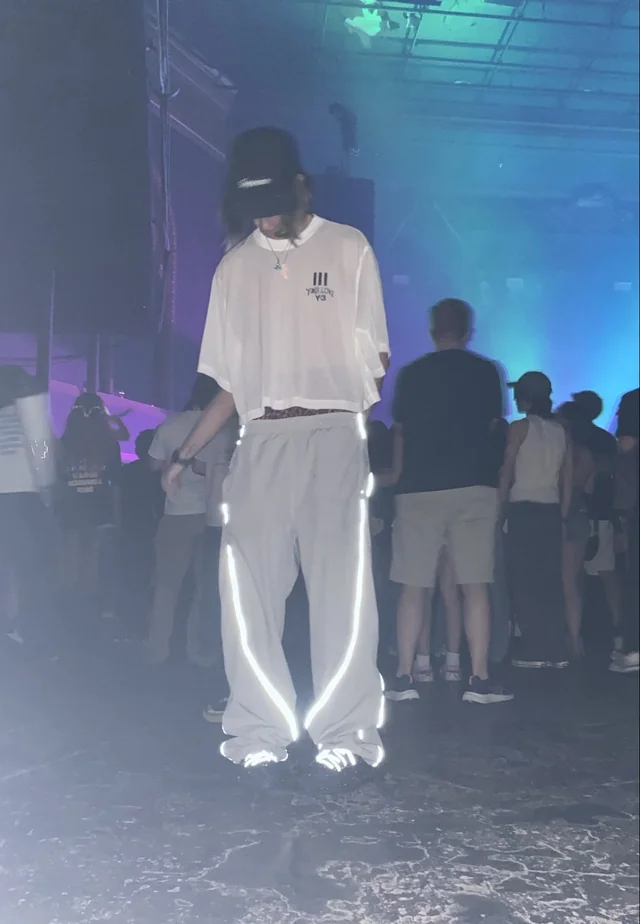
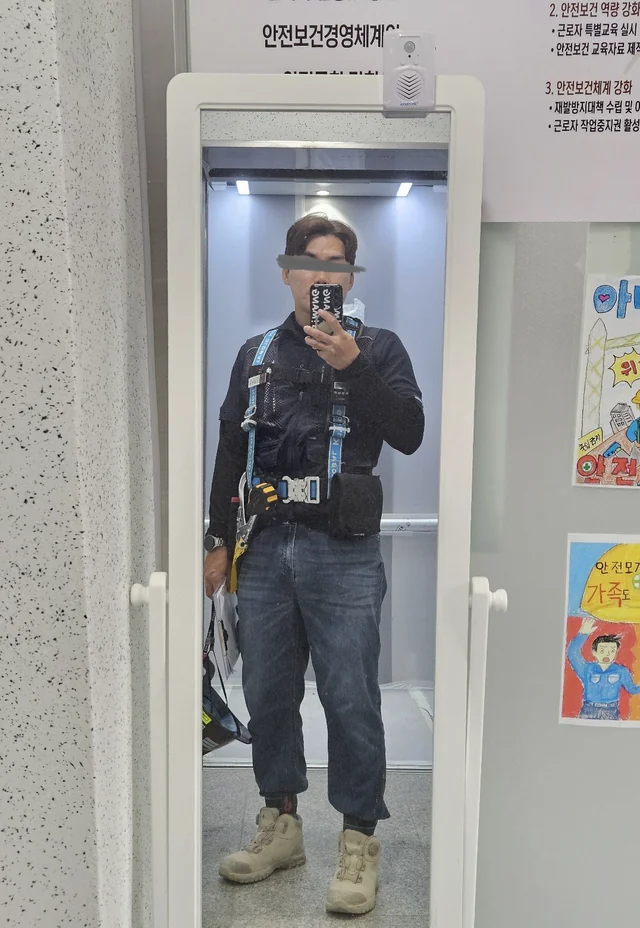
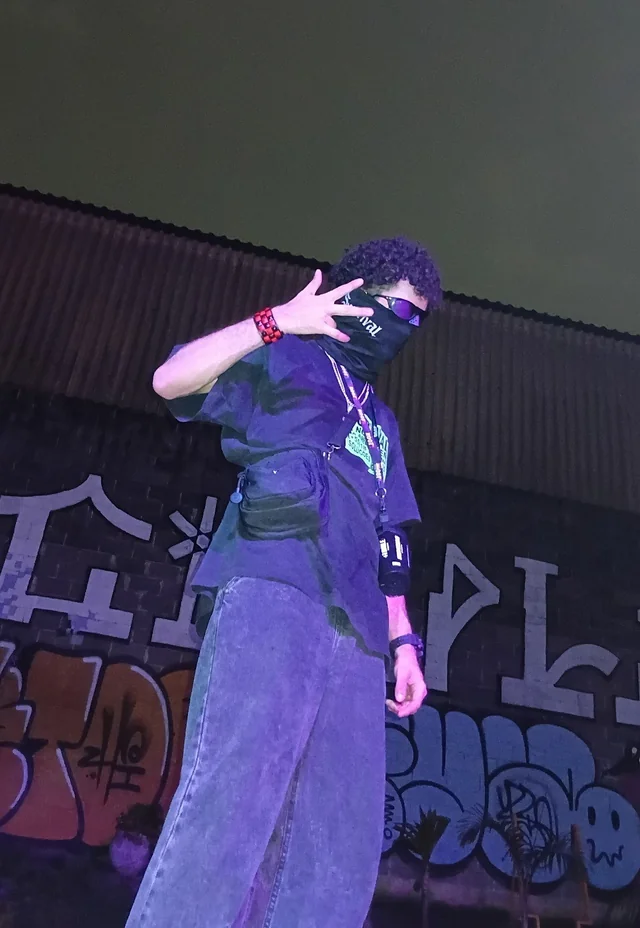
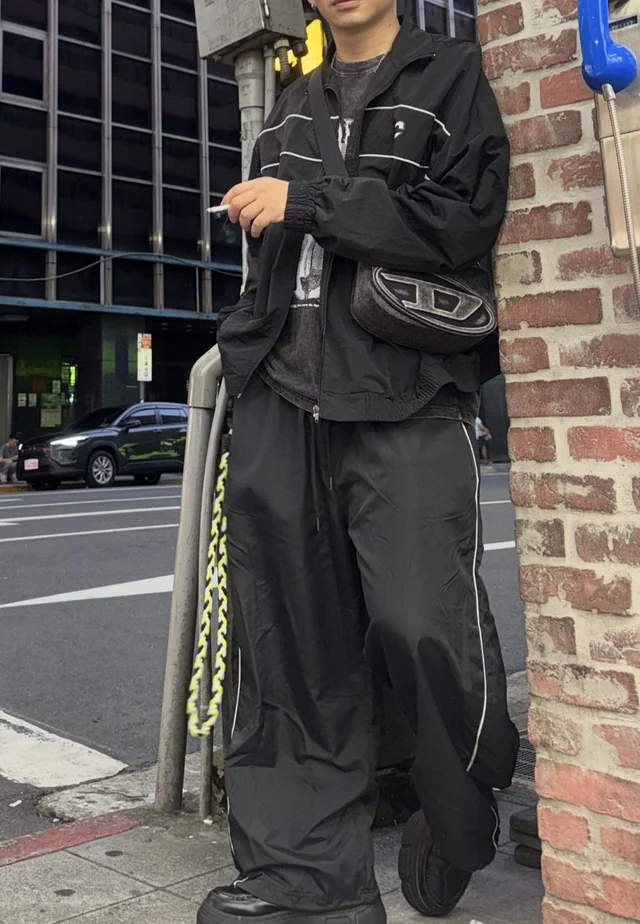
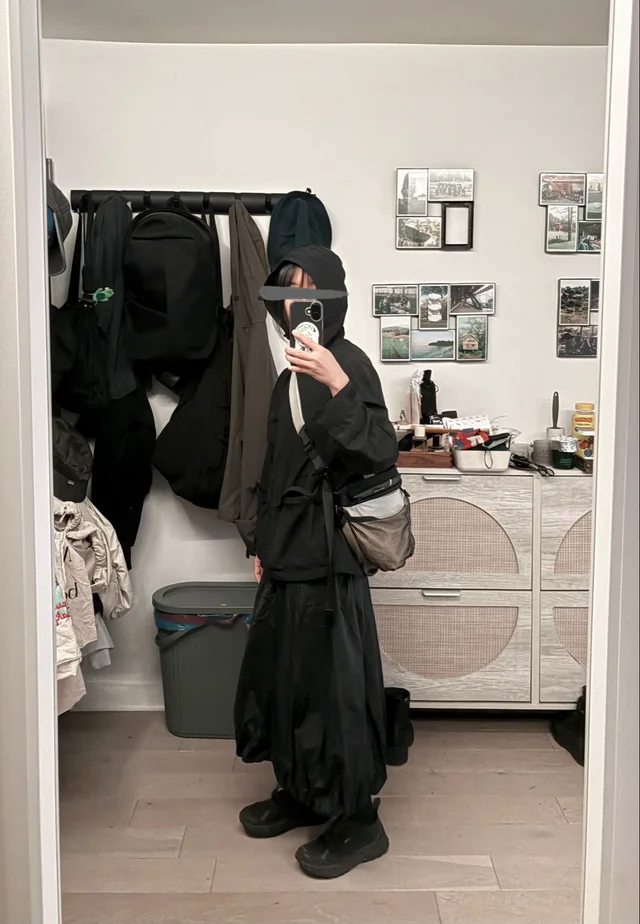
Summary. Techwear is a contemporary dress formation in which garments are designed and evaluated through performance criteria traditionally associated with specialist equipment: weather resistance, thermal regulation, mobility under load, modular carry, and durability across repeated urban use. Rather than treating fashion and utility as separate domains, techwear integrates them into a single design logic where material engineering, pattern construction, hardware choice, and layering strategy operate as both functional infrastructure and visual sign system.

In Material Terms

Techwear emerges when outdoor, military, and industrial garment technologies migrate into city-facing wardrobes and are recontextualized as everyday dress. Key developments include waterproof-breathable membrane systems, seam-sealing methods, abrasion-resistant synthetics, and articulated patterning techniques that permit movement without excessive bulk. Once translated into fashion contexts, these technologies ceased to be invisible support systems and became legible style markers in their own right. The garment must perform under conditions of rain, temperature fluctuation, commuting, and prolonged wear, while remaining formally coherent as an outfit. Pockets, zippers, tapes, adjusters, and attachment points are therefore not merely decorative quotations of utility — they are expected to correspond to actual use cases, even when their visibility also communicates technical competence and subcultural literacy.

At Category Level

Techwear occupies an unstable zone between equipment culture and symbolic fashion culture. High-spec implementations prioritize textile provenance, construction tolerances, and long-term serviceability; lower-tier imitations often retain the visual vocabulary while stripping away performance capacity. This distinction is central to techwear discourse, because authenticity is judged not only by silhouette but by measurable behavior of the garment in motion, weather exposure, and maintenance cycles.

Methodologically

This entry treats techwear as an infrastructural fashion system: garments are analyzed by how they operate across weather, motion, maintenance, and social signaling, not by visual novelty alone.

Word (Etymology)

The label is a transparent compound ("tech" + "wear"), but its cultural function is less lexical than classificatory. It marks a distinction from generic sportswear by foregrounding engineered textiles, systems-thinking in garment construction, and explicit user scenarios (commuting, weather volatility, high-mobility urban movement). In practice, the term also operates as a discourse marker: it identifies communities that evaluate garments through specification literacy (membrane type, denier, seam method, hardware reliability) rather than through silhouette alone.

The term gained currency in English-language menswear forums in the early 2010s, though the design practices it names predate the label by decades. In Japanese fashion discourse, the overlapping concept circulated through magazine culture (HUGE, Popeye, SENSE) and retail ecosystems without requiring a single categorical term, because Japanese fashion had already integrated technical outdoor and military textiles into urban wardrobes by the 1990s. Korean fashion adopted "techwear" (테크웨어) as a direct loanword, reflecting the category's global circulation through English-language digital platforms and YouTube review culture.

Subculture

Techwear formed as a hybrid subculture at the intersection of menswear forums, performance-gear enthusiasts, sneaker culture, cyberpunk visual communities, and resale/archival economies. Unlike many fashion micro-scenes organized around celebrity imitation, techwear communities historically rewarded technical explanation: comparative reviews of laminates, seam-sealing durability, zipper failure modes, and fit behavior under movement were central to community legitimacy.

This produced a distinctive hierarchy of expertise. Status accrued not only through ownership of high-cost garments but through the ability to interpret construction details and translate them into use-value claims. As the aesthetic diffused into mainstream platforms, a tier split emerged. At the upper end, users emphasize provenance, engineering, and service life; at the lower end, market actors reproduce the visual grammar (straps, pocket density, tactical cues) while decoupling it from performance substance. The resulting tension between "technical literacy" and "aesthetic simulation" remains a defining internal debate.

Sociologically, techwear is structured by expertise economies: forum veterans, reviewers, retailers, and brand ecosystems compete to define what counts as "real" technical competence. This makes the category unusually explicit about gatekeeping criteria, especially around specification literacy and real-world testing.

The Japanese contribution to techwear subculture deserves separate emphasis. Tokyo's retail and editorial ecosystem — through brands like Acronym (which manufactures in Japan), retailers like GR8 and Dover Street Market Ginza, and magazines that have covered technical garments since the 1990s — provided an early market for technically demanding, aesthetically refined garments before Western forum culture coalesced around the techwear label. This Japanese infrastructure raised construction expectations for the entire category, establishing quality benchmarks that Western brands subsequently adopted or aspired to match.

History

The material prehistory of techwear begins in postwar research-and-development environments rather than fashion studios.

Military-industrial substrate (1940s–1970s). Late twentieth-century advances in waterproof-breathable membranes, coated nylons, high-tenacity synthetics, and seam-sealing protocols established the technical substrate that later enabled fashion adoption. The U.S. military's cold-weather research programs drove development of layering principles, moisture management systems, and durable water-repellent treatments. W.L. Gore & Associates patented expanded PTFE membrane technology in 1969, commercializing it as Gore-Tex through the 1970s — a breakthrough that enabled garments to block liquid water while transmitting water vapor, fundamentally redefining the performance ceiling for protective outerwear. Simultaneously, Japanese synthetic-textile manufacturers (Toray, Teijin) advanced nylon and polyester engineering to produce lighter, stronger, and more versatile face fabrics.

Technical sportswear convergence (1980s–1990s). Outdoor and military procurement systems refined these technologies under severe performance constraints: rain penetration, abrasion, thermal management, and movement under load. Stone Island (founded 1982 by Massimo Osti) pioneered the treatment of military and industrial textiles as fashion material, subjecting fabrics to experimental dyeing, coating, and finishing processes that foregrounded material transformation as design content. C.P. Company (also under Osti's direction) explored goggle-integrated hoods, micro-lens fabric, and garment-dyeing techniques that made technical process visually legible. These Italian experiments established the principle that material engineering could be the aesthetic itself, not merely its invisible support.

The Acronym paradigm (1994–2010s). The fashion turn accelerated when Errolson Hugh and Michaela Sachenbacher founded Acronym in 1994 (first collection released 2002), treating garment design as a systems-engineering practice. Acronym's approach — specifying garments through use scenarios, integrating gravity pockets, magnetic closures, modular attachment systems, and GORE-TEX membrane construction into urban silhouettes — established the vocabulary that defines contemporary techwear. Each Acronym piece was designed as a node within a larger system: jackets interfaced with bags, trousers interfaced with footwear, and layering sequences were planned as integrated stacks rather than independent garments. This systems-design ethos distinguished techwear from both outdoor equipment (which optimized for single-activity performance) and conventional fashion (which optimized for visual novelty).

Platform diffusion and tier stratification (2010s). The 2010s intensified techwear's transition through collaboration culture, content platforms, and global resale infrastructures. Nike ACG's relaunch under Errolson Hugh's creative direction (2014–2018) materially widened access to technical design cues at sportswear price points. Arc'teryx Veilance provided a luxury-technical bridge through minimal formal language and high-spec construction. YouTube reviewers, Instagram accounts, and Reddit communities (r/techwearclothing, r/malefashionadvice) translated specialist knowledge into accessible consumption frameworks. Technical garments could now circulate as aspirational objects with verifiable specifications. This period also saw the emergence of accessible techwear brands (Riot Division, Krakatau, Orbit Gear) that brought technical aesthetics to lower price points, though often with reduced material specifications.

Maturation and broadening (2020s). In the 2020s, the category broadened across price tiers and geographies, but retained a stable core: systemized layering, weather-readiness, and functional mobility as aesthetic principle. The pandemic period normalized functional dressing and mask culture, accelerating public familiarity with technical garments as everyday wear. East Asian markets — particularly Korea, China, and Southeast Asia — emerged as significant growth centers, with local brands developing region-specific interpretations of the techwear vocabulary adapted to subtropical humidity, monsoon climates, and dense urban environments.

Analytically, techwear's history is a sequence of technology migrations — military to outdoor, outdoor to urban, specialist to lifestyle — in which the same material substrate (membrane systems, articulated patterning, sealed construction) is preserved while its audience, price architecture, and cultural function are repeatedly renegotiated. Continuity in silhouette masks discontinuity in use. The same visual vocabulary can move from specialist gear logic to fashion branding to social-media archetype, each stage retaining technical signifiers while changing the economic and cultural work those signifiers perform.

Silhouette

Techwear silhouette is governed by operational geometry rather than classical tailoring ideals. Common forms include articulated tapered trousers, controlled cargo volume, shell-derived outerwear, and modular layering profiles that can be reconfigured across temperature and activity changes. Patterning often concentrates fabric where articulation is required (knee, seat, shoulder, elbow), then reduces excess through taper and closure systems that limit snag and drag.

Upper body. Shell jackets and hardshells use articulated shoulder gussets and gusseted underarms to permit full arm rotation without pulling the hem upward. Hoods are typically stowable and three-axis adjustable (fore-aft, lateral, volume), enabling precise sealing against rain and wind. Chest pockets are positioned for access under a bag strap or harness. The torso typically follows a clean, streamlined profile that avoids excess fabric while allowing space for mid-layer integration underneath.

Lower body. Trousers are the silhouette's most distinctive element. Articulated knees (using darts, gussets, or pre-curved patterning) permit deep bending without fabric bunching. Tapered ankles with adjustable closures (drawcords, snaps, zippers) allow the wearer to seal against weather or open for ventilation. Cargo pockets, when present, use low-profile bellowed construction that expands for capacity but lies flat when empty, avoiding the bulky silhouette associated with military cargo trousers.

As a result, silhouette communicates readiness rather than polish. The body is neither aggressively sculpted nor entirely obscured; it is instrumented for movement. Even oversized variants usually maintain an internal logic of load management, thermal control, and access efficiency.

Materials

Material selection is the category's primary truth-test. The gap between genuine technical fabrics and their visual imitations defines the central quality hierarchy.

Waterproof-breathable membranes. GORE-TEX remains the reference standard, available in multiple architectures: Gore-Tex Pro (3-layer, highest durability and breathability), Gore-Tex Active (lighter weight, high vapor transmission for aerobic use), and Gore-Tex Infinium (wind-resistant, water-resistant but not fully waterproof). Competing systems include eVent (direct-venting PTFE), Pertex Shield (PU-based, lighter and more affordable), and proprietary brand membranes. Key performance metrics include hydrostatic head (millimeters of water column resistance), moisture vapor transmission rate (MVTR, grams per square meter per 24 hours), and air permeability. Fashion-tier techwear frequently uses unrated "waterproof" coatings that reproduce the visual language of membrane construction without matching performance under sustained rain.

Shell and face fabrics. Densely woven or laminated nylons provide the structural substrate for outerwear. Ripstop constructions (grid-reinforced weave preventing tear propagation) range from ultralight 20D for packable shells to heavy-duty 80D+ for abrasion-intensive use. Cordura-class nylons (330D–1000D) reinforce high-wear zones. Schoeller stretch-woven fabrics integrate four-way stretch with DWR treatment, providing weather resistance and mobility without full waterproofing — a favored material for techwear trousers and softshell layers.

Treated cotton and hybrid textiles. Waxed cotton, ventile (tightly woven long-staple cotton achieving weather resistance without membrane), and cotton-nylon blends serve lower-noise or comfort-oriented applications where the synthetic feel and sound of full membrane garments is undesirable. These materials trade peak performance for tactile quality and visual subtlety.

Insulation and mid-layers. Synthetic insulations (PrimaLoft, Climashield, Coreloft) are preferred over down in techwear for their wet-weather reliability — synthetic fill retains warmth when wet, whereas down collapses and loses virtually all insulative capacity upon moisture absorption. Technical fleece (Polartec Power Grid, Power Stretch) provides mid-layer warmth with high breathability and moisture transport.

DWR (Durable Water Repellent) coatings. Applied to face fabrics to cause water to bead and roll off rather than saturating the outer layer (which would block membrane breathability — a phenomenon called "wetting out"). Traditional DWR uses fluorocarbon chemistry now being phased out due to PFAS environmental persistence. Fluorine-free alternatives (silicone-based, wax-based) offer reduced environmental impact but degrade faster under abrasion and laundering, requiring more frequent reapplication. DWR degradation is the single most common maintenance failure in techwear garments: a shell with depleted DWR will wet out and feel clammy even if its membrane remains intact, leading users to misdiagnose membrane failure when the issue is surface treatment.

Material choice is not reducible to brand prestige; it is evaluated through weather resistance, vapor transport, abrasion tolerance, hydrolysis risk, delamination behavior, and maintenance burden.

Consequently, "techwear quality" is materially empirical. Two visually similar garments may diverge radically in field performance because of membrane architecture, lamination quality, seam finishing, and hardware integration.

Color Palette

The palette is predominantly achromatic (black, charcoal, graphite, deep navy), with selective use of olive, slate, or earth inflections. This chromatic restraint has practical and semiotic functions. Practically, it increases interchangeability across modular wardrobes and masks wear patterns in high-use contexts. Semiotically, it aligns techwear with industrial neutrality, where material performance takes precedence over ornamental color play.

Accent colors, when used, tend toward high-contrast signal tones — fluorescent yellow, safety orange, electric blue — borrowed from industrial and safety-equipment contexts. These accents typically appear on interior linings, zipper tapes, or small hardware elements, visible only when garments are opened or adjusted. This controlled deployment of color reinforces the category's logic of functional intentionality: even chromatic choices serve a purpose, whether visibility in low-light conditions or system identification within a layered outfit.

Monochromatic all-black systems dominate the category's aspirational imagery, in part because black maximizes visual coherence across mixed brands and fabric types within a single layered outfit. A black Gore-Tex shell over a black fleece mid-layer over a black merino base reads as a unified system regardless of brand origin. This chromatic uniformity also facilitates the modular wardrobe principle: any garment in the palette can combine with any other without chromatic conflict, enabling rapid reconfiguration across weather conditions and contexts.

Details

Details in techwear are best read as interface design — engineered solutions to specific access, closure, and environmental problems that, through aesthetic formalization, have become legible style markers.

Seam systems. Fully taped seams (heat-welded waterproof tape applied to every interior seam) are the standard for waterproof shells. The taping method encodes quality: consistent width, full adhesion, and clean termination at pocket openings and zipper junctions indicate manufacturing precision. Bonded seams (adhesive-joined rather than stitched) eliminate needle holes entirely, producing cleaner exterior lines and superior waterproofing. Ultrasonic welding joins fabric layers through high-frequency vibration without thread, enabling seamless construction in specific applications.

Closure and adjustment systems. Weather-resistant zippers (YKK AquaGuard, water-resistant coil-type) provide primary closure while resisting water ingress. Magnetic closures (used by Acronym and others) enable one-handed operation and rapid access. Adjustable hems, cuffs, and waists use cordlocks, Velcro tabs, or snap systems to modulate fit across layering configurations. Each closure point is a microclimate control: it manages the boundary between the garment's interior and exterior environments.

Pocket architecture and attachment systems. Pocket placement is designed for access efficiency: chest pockets clear of bag straps, thigh pockets positioned for seated or standing reach, internal mesh pockets managing small items without external bulk. Gravity pockets (pioneered by Acronym) use the garment's own weight and structure to keep contents secure without mechanical closure. Modular attachment points — webbing loops, D-rings, MOLLE-compatible strips, carabiner clips — allow the wearer to configure carry externally, treating the garment as a platform for modular accessories.

In mature implementations, these details are functionally coherent and hierarchized; in weaker implementations, they become redundant surface density. The distinction between engineered necessity and decorative surplus is central to technical critique.

Accessories

Accessory systems extend the same performance-integration logic as garments, forming a coherent urban-mobility kit.

Footwear. Technical sneakers and boots prioritize traction (Vibram or proprietary outsoles with urban-optimized lug patterns), weather tolerance (waterproof uppers, sealed construction), and long-duration comfort (cushioned midsoles, ergonomic footbeds). Nike ACG footwear, Salomon trail runners (XT-6, Speedcross), and Gore-Tex-lined boots from brands like Danner and Ecco serve the category. The aesthetic favors low-profile, darkly colored footwear that integrates visually with tapered trouser hems.

Bags and carry systems. Sling bags, messenger bags, and modular chest rigs prioritize compartmentalized access and load distribution. Acronym's 3A bags (designed for specific jacket interactions), Bagjack's modular systems, and Orbit Gear's configurable packs exemplify the category's approach: bags are not afterthoughts but co-designed components of the garment system. Roll-top closures, magnetic buckles, and weather-sealed compartments extend waterproofing logic from garments to carry.

Headwear, gloves, and supplementary items. Technical beanies, merino-blend buffs, and ventilated caps provide climate management. Touchscreen-compatible gloves maintain device operability. Masks and face coverings, normalized during the pandemic period, align naturally with techwear's emphasis on environmental interface and body-as-platform thinking.

Body Logic

Techwear conceptualizes the body as an adaptive platform moving through variable environments rather than as a static display surface. Garment systems are therefore optimized for motion, thermoregulation, and load carriage under repeated transitions (indoor/outdoor, dry/wet, rest/acceleration). Pattern articulation, closure placement, and layer sequencing all aim to preserve efficiency under these transitions.

The layering stack is central to this body logic. A properly configured techwear system — moisture-wicking base layer, insulative mid layer, waterproof-breathable shell — manages the body's thermal output as an integrated system. Each layer serves a specific thermodynamic function, and the sequence matters: a base layer that retains moisture defeats the insulation above it; a shell that traps vapor negates the breathability of the layers beneath. The body, in this framework, is a heat-generating system whose output must be managed through calibrated textile engineering rather than simple insulation.

Gender coding is comparatively attenuated. While market segmentation persists, the dominant evaluative criterion is not gender expression but operational fit: whether the system maintains mobility, protection, and access under real use. This relative neutrality attracts wearers seeking performance-first dress systems unconstrained by conventional gendered styling expectations.

Embodied use remains the category's decisive test: a system that fails under heat, friction, rain, or carry load cannot sustain technical legitimacy even if it succeeds visually. In this sense, techwear keeps one foot in performance culture and one in symbolic fashion.

Garment Logic

Techwear construction begins with specification and scenario rather than trend silhouette. Core priorities include seam integrity, closure reliability under repeated cycling, reinforcement at stress points, controlled ease for layering, and compatibility across adjacent garments and accessories. Better examples show internal coherence: pattern, textile, hardware, and intended use-case align.

Layering-system construction. The three-layer stack (base, mid, shell) requires each garment to be cut with awareness of the layers above and below it. Base layers use flatlock seams to eliminate interior ridges that cause chafing under mid-layer pressure. Mid layers are cut with enough ease to accommodate base layers without compressing them (which would reduce insulative dead-air space), while remaining slim enough to fit beneath shells without binding. Shells are cut largest, with articulated shoulders, gusseted underarms, and drop-back hems that accommodate the bulk of layers beneath while preserving mobility. Sleeve lengths, hem drops, and collar heights are calibrated across the stack so that each layer extends appropriately relative to the others. This dimensional coordination is what separates systems-designed techwear from garments assembled without layering awareness.

This is why imitation frequently fails. Visual citation without systems integration produces garments that look technical in still images but degrade in rain, friction, heat, or repetitive motion. Technical legitimacy is thus longitudinal: it is proven over time. The distinction is not cultural snobbery but structurally grounded in whether a garment's construction matches its visual claims.

Aftercare and failure modes. Membrane garments require periodic washing (to remove body oils and dirt that impair breathability) and DWR reactivation through tumble-drying heat or iron application. Failure to maintain DWR results in face-fabric wetting out, interior condensation, and perceived membrane failure even when the membrane itself remains intact. Stretch-woven fabrics lose elasticity over extended use, particularly at knee and seat articulation points. Hardware — zippers, magnetic closures, snap systems — is subject to cycling fatigue: premium YKK zippers are rated for 10,000+ open-close cycles, while cheaper alternatives may fail within a few hundred.

The most significant long-term failure mode is membrane delamination: the polyurethane adhesive bonding membrane to face fabric degrades through hydrolysis (moisture-driven chemical breakdown), heat, UV exposure, and contamination from sunscreen, insect repellent, or harsh detergents. A delaminated shell may appear intact externally while providing zero waterproof protection. This failure is invisible until field exposure and irreversible once initiated. Experienced users therefore evaluate techwear garments not only by current performance but by adhesive technology, storage history, and predicted service life — a longitudinal assessment that separates technical participants from visual adopters.

Motifs / Themes

Preparedness, modularity, environmental adaptation, and infrastructural thinking are recurrent themes. At a symbolic level, techwear stages modernity itself: it imagines the city as a site of continuous contingency requiring responsive equipment. Rain, commuting, temperature shifts, and device carriage are treated not as nuisances but as design problems to be solved through garment engineering.

In premium strata, engineered fabrication becomes a status marker, reframing luxury from artisanal rarity toward technical capability. An Acronym J1A-GTKP jacket communicates status not through visible branding or precious materials but through membrane specification, closure engineering, and systems-integration sophistication — a form of luxury legible primarily to the technically literate.

The motif of the "urban operator" — a figure moving efficiently through city environments with optimized equipment — connects techwear to broader cultural narratives around autonomy, self-sufficiency, and technological competence. This figure is aspirational rather than documentary: it projects a relationship to the city that is managed, equipped, and anticipatory.

Sustainability enters as an emerging motif. Technical garments, when well-constructed, offer exceptional longevity: a properly maintained Gore-Tex shell can serve effectively for 5–10 years, far exceeding the lifespan of fast-fashion equivalents. This durability positions techwear within "buy less, buy better" frameworks, though the high upfront cost and petroleum-derived synthetics complicate any straightforward sustainability claim.

Cultural Touchstones

Acronym's long development arc under Errolson Hugh remains foundational for contemporary category vocabulary. The brand's collaboration with Nike (Presto, VaporMax, Blazer) brought techwear design principles to mass-market visibility, while the mainline collection maintained its position as the category's conceptual benchmark. Stone Island's experimental textile work — particularly the "Ice Jacket" (thermochromic coating changing color with temperature) and "Reflective" series — demonstrated that material innovation could be both functional and spectacular.

The Nike ACG relaunch period (2014–2018) under Errolson Hugh's creative direction materially widened access to technical design cues, translating Acronym-level thinking into Nike's production scale. Arc'teryx Veilance provided a luxury-technical bridge through minimal formal language and high-spec construction, demonstrating that techwear principles could operate within a refined, office-compatible aesthetic.

In mediated culture, cyberpunk cinema and anime (including Ghost in the Shell, The Matrix, and Blade Runner 2049) supplied durable imaginaries of urban technical dress. Akira (1988) and Serial Experiments Lain (1998) contributed Japanese-specific visual references that resonate with the category's Tokyo-centered design heritage. Video games — Deus Ex, Death Stranding, Cyberpunk 2077 — extended this visual vocabulary into interactive contexts where equipment and garment systems are experienced as functional tools, reinforcing the category's premise that clothing operates as gear.

YouTube reviewers (This Is Antwon, Ben Awin, The Kavalier) and Instagram curators built media ecosystems that translated specialist knowledge into accessible consumption frameworks, enabling viewers to evaluate membrane types, seam construction, and hardware quality without prior technical background. Reddit communities (r/techwearclothing, r/malefashionadvice) provided peer-review infrastructure where purchase decisions were debated through specification comparison rather than brand prestige alone. The pandemic period further normalized mask and utility behaviors, accelerating public familiarity with functional-aesthetic hybridization.

See Also

  • Gorpcore: Outdoor-performance clothing translated into lifestyle dress
  • Tactical / military fashion: Adjacent utility vocabularies and hardware systems
  • Cyberpunk aesthetics: Fictional visual regimes that inform techwear imagination
  • Darkwear: Overlapping monochrome and industrial styling practices
  • Japanese Mode movement: Conceptual lineage for technical minimalism and drape
  • Functional minimalism: Shared emphasis on reduction through utility
  • Urban utility: Broader category of city-facing performance dress

Brands and Designers

Foundational / High-Performance:

  • Acronym (1994, Munich, Errolson Hugh and Michaela Sachenbacher): systems-engineering approach to garment design, GORE-TEX membrane construction, gravity pockets, magnetic closures, category-defining vocabulary
  • Stone Island (1982, Ravarino, Massimo Osti): experimental textile treatment as design content, garment-dyeing innovation, compass-patch brand identity
  • C.P. Company (1975, Bologna, Massimo Osti): goggle-integrated hoods, micro-lens fabric, pioneering the treatment of industrial textiles as fashion
  • Veilance (Arc'teryx, 2009, Vancouver): luxury-technical bridge, minimal formal language with high-spec Gore-Tex construction, office-compatible techwear
  • Enfin Levé (Basque Country): made-to-measure technical garments, Schoeller stretch fabrics, articulated patterning with bespoke fit

Military / Tactical:

  • Maharishi (1994, London, Hardy Blechman): military-surplus recycling, hand-embroidered camouflage, pacifist recontextualization of tactical dress
  • WTAPS (1996, Tokyo, Tetsu Nishiyama): military-specification streetwear, tonal design, precision construction
  • Guerrilla Group (2012, Taipei): experimental tactical design, deconstructed military silhouettes
  • Boris Bidjan Saberi / 11byBBS (Barcelona): raw-edge construction, hand-treated leathers, avant-garde tactical aesthetics

Technical Sportswear:

  • Nike ACG (relaunched 2014): Errolson Hugh creative direction 2014–2018, GORE-TEX integration at sportswear scale, urban-trail crossover
  • Y-3 (2003, Yohji Yamamoto × Adidas): high-fashion athletic hybridization, Boost cushioning in designer silhouettes
  • Salomon (1947, Annecy, France): trail-running footwear (XT-6, Speedcross) adopted as techwear staples, Contagrip outsole technology

Outdoor-Technical:

  • Arc'teryx (1989, Vancouver): precision-engineered shells, Alpha and Beta series, Gore-Tex Pro construction
  • Goldwin (1951, Tokyo): C-Knit membrane innovation, 0 concept line, technical minimalism
  • CAYL (Seoul): Korean technical outdoor-urban hybrid, lightweight modular systems

Accessible / Contemporary:

  • Orbit Gear (Indonesia): modular bag and garment systems, accessible technical design
  • Riot Division (Kyiv): transformable garments, modular pocket systems, mid-tier technical innovation
  • Krakatau (St. Petersburg): urban technical outerwear, membrane construction at accessible pricing
  • ROSEN-X (Hong Kong): technical fabrics in experimental silhouettes, direct-to-consumer model

Ultramodern / Conceptual:

  • Hamcus (Guangzhou): post-apocalyptic technical design, weathered and distressed fabrication
  • Julius (Tokyo, Tatsuro Horikawa): avant-garde drape meets technical construction, dark-futurist silhouettes
  • The Viridi-Anne (Tokyo): technical fabrics in deconstructed forms, Japanese avant-garde techwear
  • Nemen (Italy): Italian textile innovation, stone-washed technical garments, material experimentation

Citations

[1] Entwistle, Joanne. The Fashioned Body: Fashion, Dress and Social Theory. 2nd ed., Polity, 2015. [2] Kawamura, Yuniya. Fashion-ology: An Introduction to Fashion Studies. 2nd ed., Bloomsbury Academic, 2018. [3] Breward, Christopher. Fashion. Oxford University Press, 2003. [4] Barthes, Roland. The Fashion System. Translated by Matthew Ward and Richard Howard, University of California Press, 1983. [5] Hollander, Anne. Seeing Through Clothes. University of California Press, 1993. [6] Wilson, Elizabeth. Adorned in Dreams: Fashion and Modernity. Revised ed., Rutgers University Press, 2003. [7] Evans, Caroline. Fashion at the Edge: Spectacle, Modernity and Deathliness. Yale University Press, 2003. [8] Lipovetsky, Gilles. The Empire of Fashion: Dressing Modern Democracy. Princeton University Press, 1994. [9] Crane, Diana. Fashion and Its Social Agendas: Class, Gender, and Identity in Clothing. University of Chicago Press, 2000. [10] Veblen, Thorstein. The Theory of the Leisure Class. Macmillan, 1899. [11] Simmel, Georg. "Fashion" (1904). In Simmel on Culture: Selected Writings, edited by David Frisby and Mike Featherstone, SAGE, 1997. [12] Hebdige, Dick. Subculture: The Meaning of Style. Routledge, 1979. [13] Quinn, Bradley. Techno Fashion. Berg, 2002. [14] Seymour, Sabine, editor. Fashionable Technology: The Intersection of Design, Fashion, Science, and Technology. Springer, 2008. [15] Braddock Clarke, Sarah E., and Marie O'Mahony. Techno Textiles 2: Revolutionary Fabrics for Fashion and Design. Thames and Hudson, 2005. [16] Braddock Clarke, Sarah E., and Marie O'Mahony. Techno Textiles: Revolutionary Fabrics for Fashion and Design. Thames and Hudson, 1998. [17] Fletcher, Kate. Sustainable Fashion and Textiles: Design Journeys. 2nd ed., Earthscan, 2013. [18] Niinimaki, Kirsi, editor. Sustainable Fashion in a Circular Economy. Aalto ARTS Books, 2018. [19] Watkins, Susan M. Clothing: The Portable Environment. 2nd ed., Iowa State University Press, 1995. [20] Gonzalez, Richard R., et al. "Biophysics of Heat Transfer and Clothing Insulation." Comprehensive Physiology, 2011. [21] Hatch, Kathryn L. Textile Science. West Publishing, 1993. [22] Renbourn, E.T., and W.H. Rees. Materials and Clothing in Health and Disease. H.K. Lewis, 1972. [23] Fourt, Lyman, and Norman R.S. Hollies. Clothing: Comfort and Function. Marcel Dekker, 1970. [24] Bolton, Andrew. Manus x Machina: Fashion in an Age of Technology. Metropolitan Museum of Art, 2016. [25] "Errolson Hugh Sees the Future." GQ. https://www.gq.com/story/errolson-hugh-acronym-profile [26] Acronym. "About." https://acrnm.com/ [27] GORE-TEX Brand. "Technology." https://www.gore-tex.com/technology [28] Nike. "Nike ACG Collection." https://www.nike.com/acg [29] Arc'teryx. "Veilance." https://veilance.com/ [30] Reddit. "r/techwearclothing." https://www.reddit.com/r/techwearclothing/ [31] Bourdieu, Pierre. Distinction: A Social Critique of the Judgement of Taste. Translated by Richard Nice, Harvard University Press, 1984. [32] Laitala, Kirsi, et al. "Washing and Drying Instructions for Outdoor Garments." Journal of Cleaner Production, vol. 252, 2020. [33] Cousins, Imogen T., et al. "The High Persistence of PFAS Is Sufficient for Their Management as a Chemical Class." Environmental Science: Processes and Impacts, vol. 22, 2020, pp. 2307–2312. [34] Marx, W. David. Ametora: How Japan Saved American Style. Basic Books, 2015. [35] Stone Island. "Research." https://www.stoneisland.com/experience/research/