Karasu
Definition
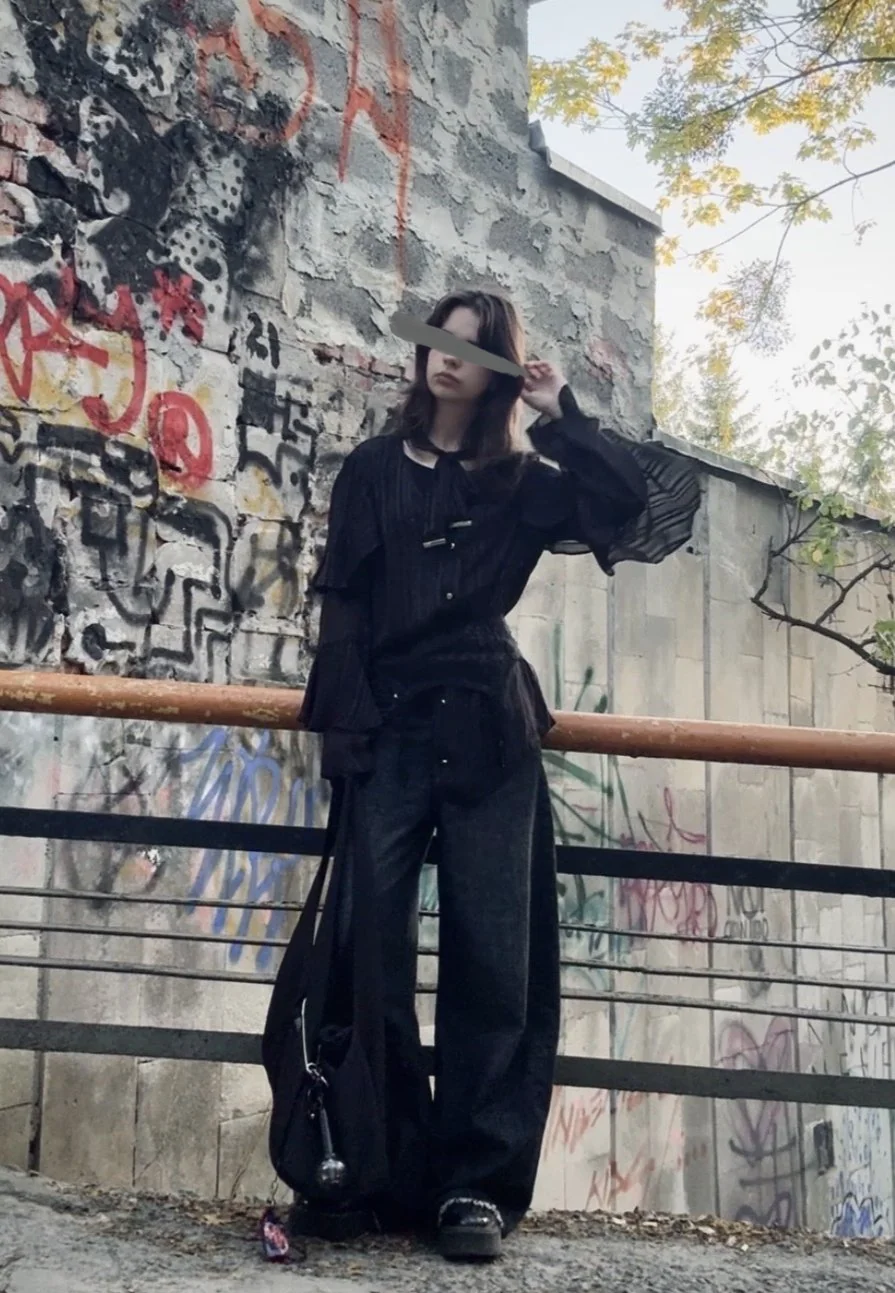
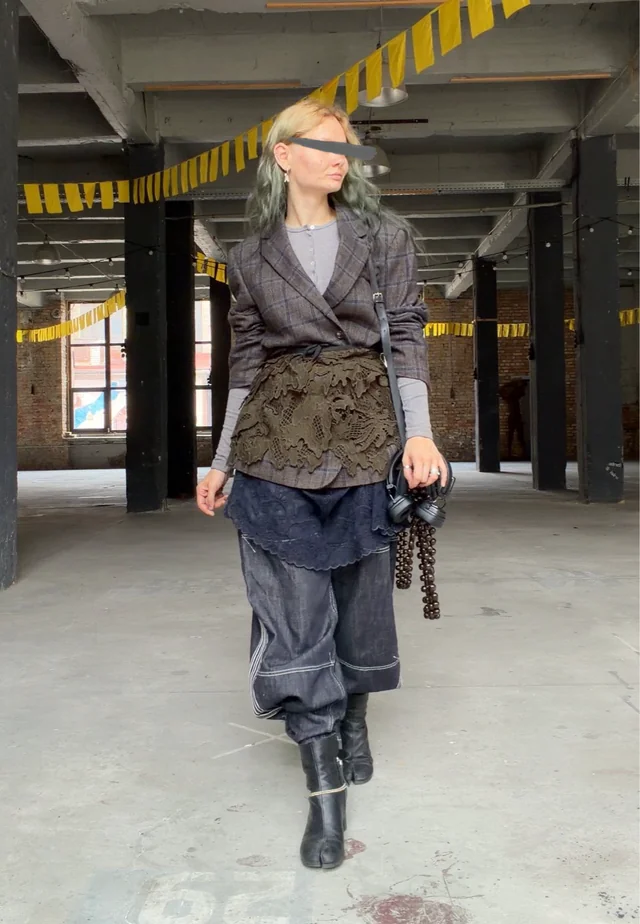
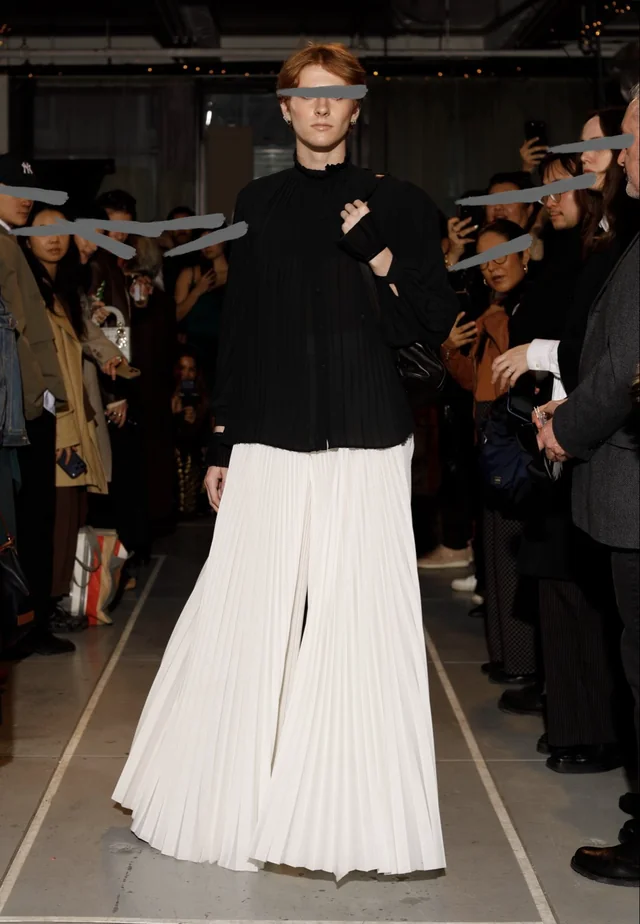
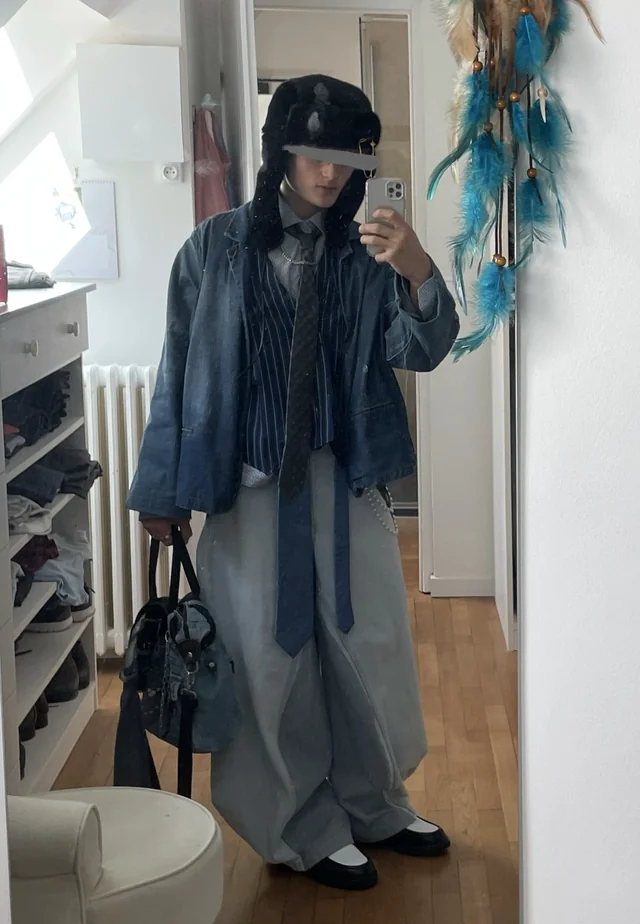
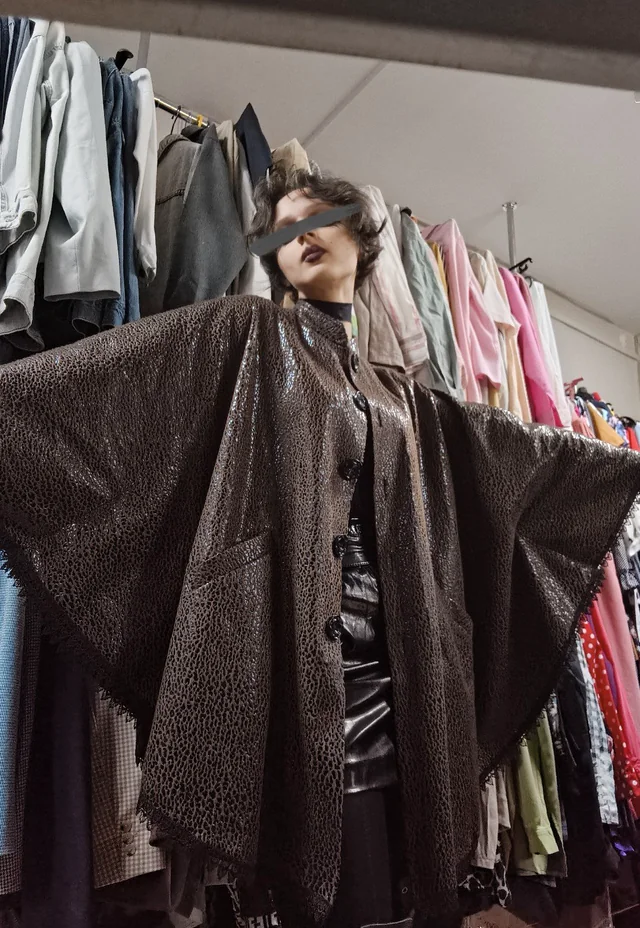
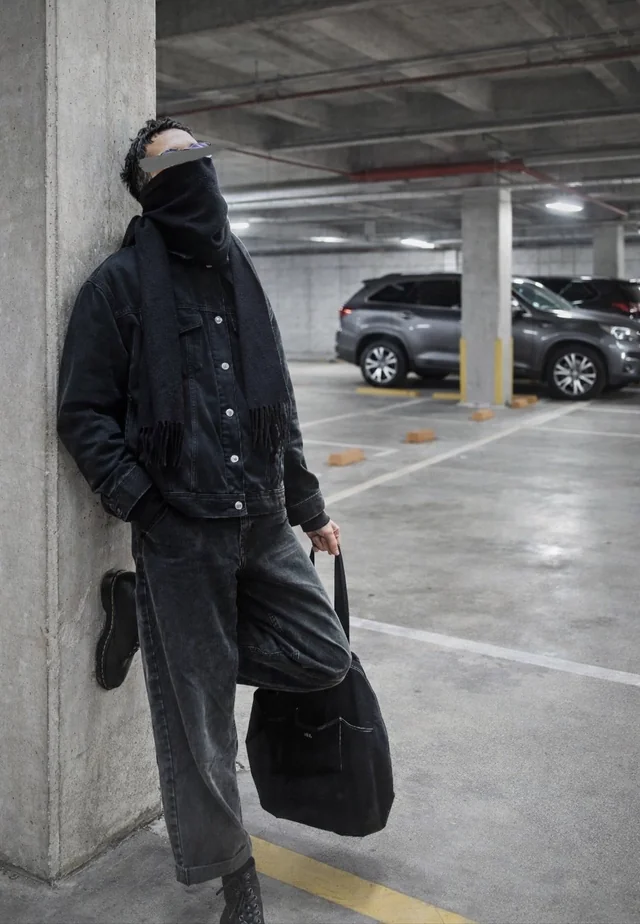
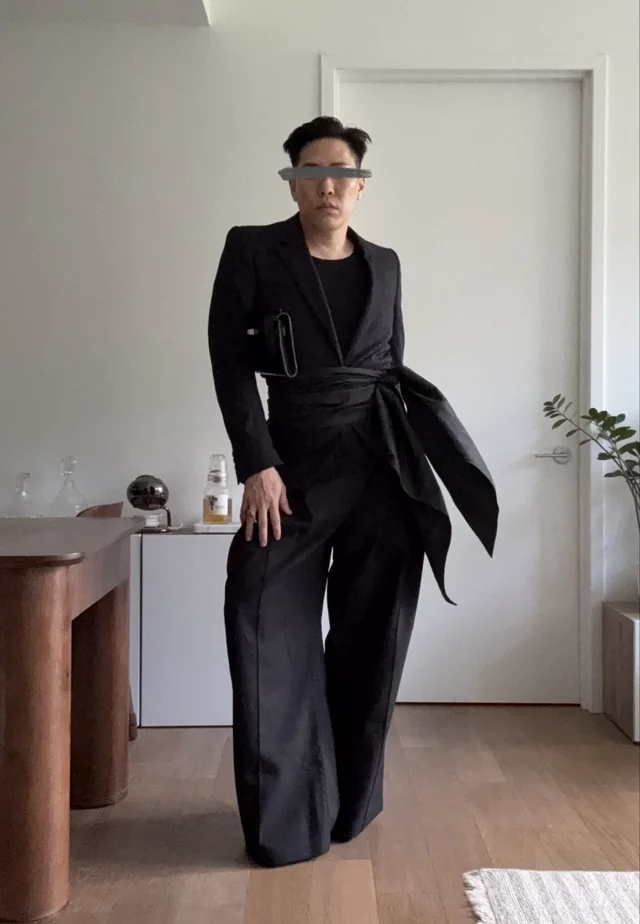
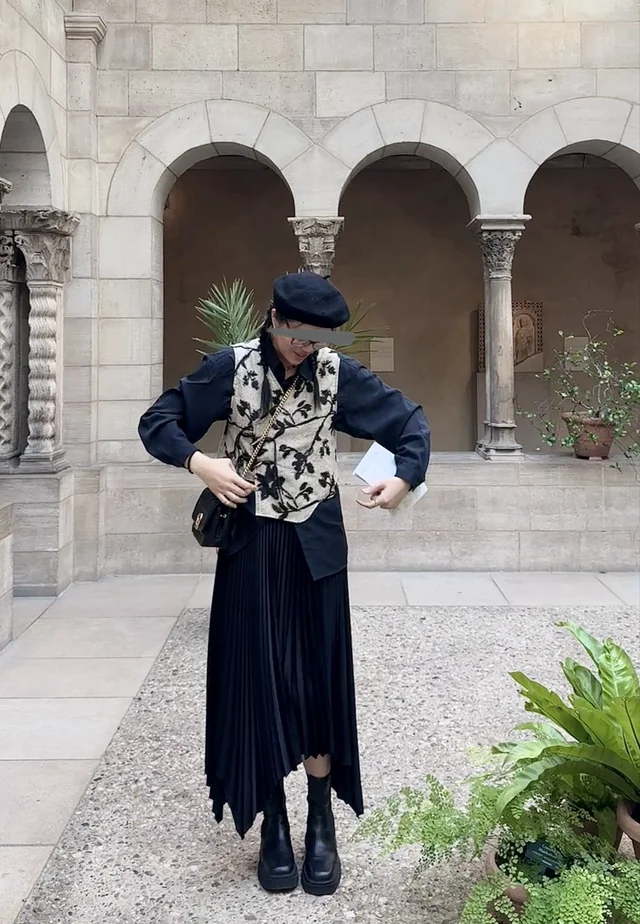
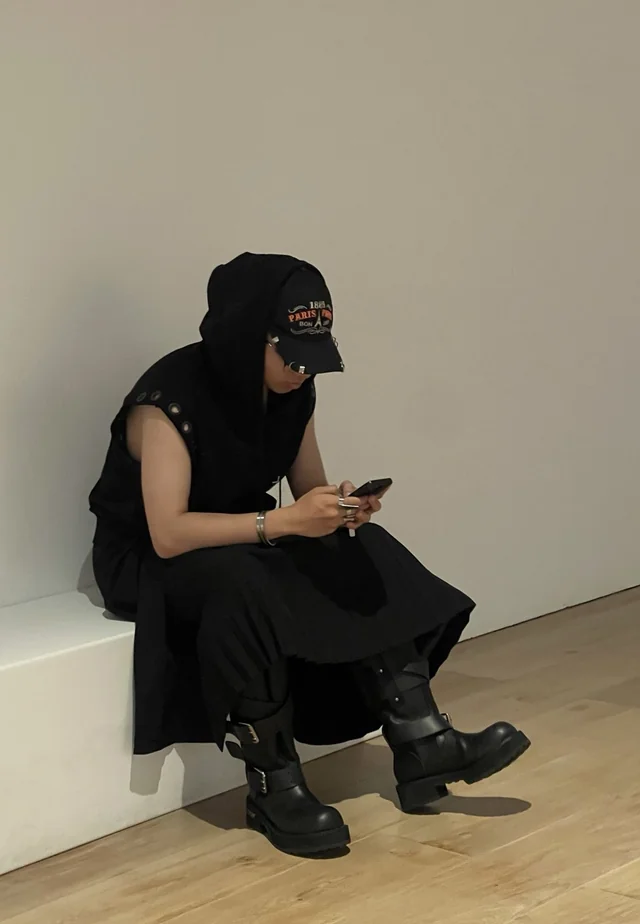
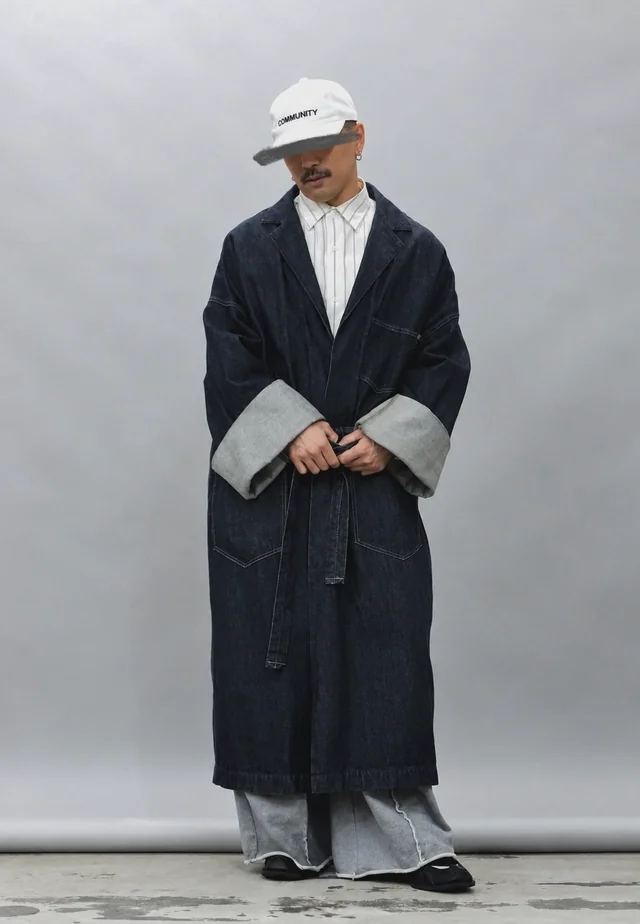
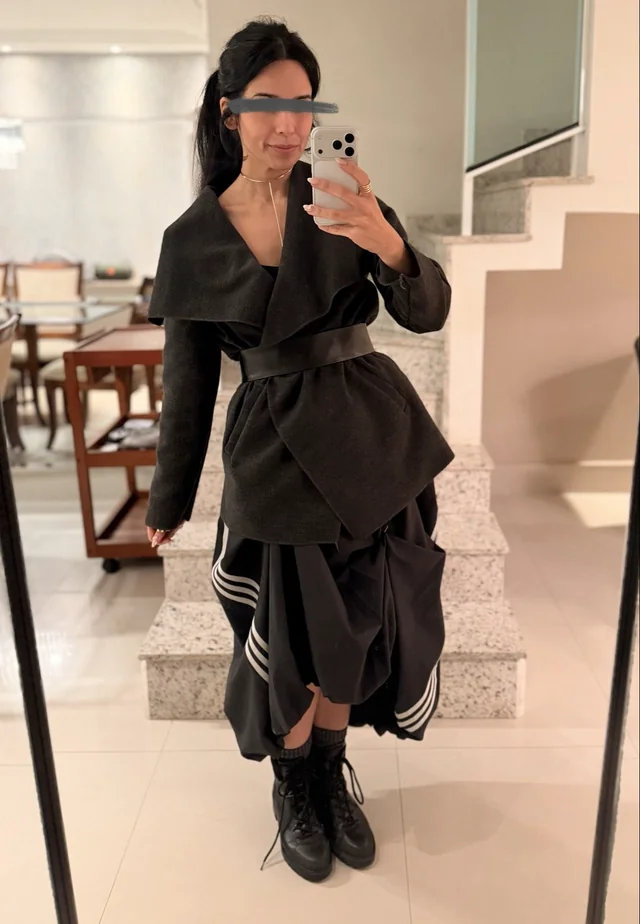
Karasu is a fashion aesthetic built on black designer clothing worn as a form of literacy. The name comes from karasu-zoku, the "crow tribe," the Japanese press label for the devotees who dressed head to toe in Yohji Yamamoto, Comme des Garcons, and Issey Miyake through the 1980s, so called because they flocked together in black. The founding shock was the Paris debut of Yamamoto and Rei Kawakubo in the early 1980s: oversized, genderless black clothing with frayed hems, holes, and asymmetric seams, which Western journalists received as an attack on fitted, glamorous European fashion and in one notorious phrase dismissed as "Hiroshima chic." In Tokyo the crow tribe built DC brand culture, an obsession with clothing identifiable by its designer, and that behavior is the aesthetic's through-line. Its modern form is archive fashion: collecting and wearing the back catalogues of Margiela, Helmut Lang, Raf Simons, Rick Owens, and the Japanese and Belgian houses, traded through Grailed and specialist dealers and signalled by objects like the split-toe Margiela Tabi that read as nothing to outsiders and as everything to those who know. The palette stays black and near-black, the construction is deconstruction, and the ornament is the reference itself. The palette is a requirement, not a tendency: an outfit belongs only when every garment is black or near-black, and a single archive piece cannot carry an outfit that wears other colors.
Visual Grammar
Silhouette
- oversized, dropped-shoulder volumes that hide the body's line
- long lengths (dusters, wide trousers, skirts on any body)
- asymmetric closures and hems
- layered black on black, each layer a different fabric weight
- genderless by default
Materials
- washed and wrinkled black cotton, wool gabardine, heavy drape
- garment-dyed and faded blacks that no longer match each other
- visible interfacing, exposed linings, raw or frayed edges
- artisanal distressing (holes, repairs, paint) done by the designer
- leather worn to a patina rather than a shine
Construction
- deconstruction as the design act (seams outside, linings shown)
- erratic or deliberately unfinished stitching
- reworked and inverted tailoring (darts exposed, collars displaced)
- white contrast pick-stitching worn as a quiet label signal
Colors
- black, then more black in unmatched shades
- near-blacks (ink, charcoal, faded anthracite)
- rare accents of white or ecru, only as a raw edge or stitch, never a full garment
- no other colors anywhere in the outfit
Footwear
- the split-toe Tabi boot in any state of wear, inside an all-black outfit
- Rick Owens Ramones and Geobaskets
- worn black leather derbies and combat soles
- shoes prized more scuffed than new
Body Logic
The body is a hanger for reference rather than a shape to display. Oversized volume conceals rather than frames, and the clothes hold their own silhouette away from the wearer, so reading the outfit means reading the garment, not the figure. Recognition replaces exposure as the display mechanism: nothing shows skin, but a knowing eye can date a coat to a designer's season from its seams. The uniform quality is deliberate. Dressing in unmatched blacks every day removes the daily fashion decision while placing the wearer inside a forty-year lineage, and the wear itself (scuffs, fading, repairs) is kept as evidence of use, the way the original crow tribe kept frayed hems the designers had cut that way.
Exemplars
- 01
Yohji Yamamoto and Rei Kawakubo in Paris1981-1983
The two designers' first Paris showings introduced oversized, genderless black clothing with holes, frayed hems, and asymmetry to a fashion capital dressed in fitted glamour. Press reaction ran from bafflement to the slur "Hiroshima chic," and the collections became the founding documents of black-as-intellect dressing. Yamamoto's own gloss became the aesthetic's motto, black as modest and arrogant at once.
- 02
The karasu-zoku1982-1990
The Tokyo devotees who wore the designers head to toe and were named the crow tribe for flocking in black. They built DC brand culture, the obsession with clothing identifiable by its designer, and turned wearing a specific label's construction into a legible identity, the behavior that defines the aesthetic to this day.
- 03
Martin Margiela1988-2009
The Belgian designer's Paris house made deconstruction a complete language, showing exposed linings, inverted seams, and repaired garments, and introduced the split-toe Tabi boot at his first show. His own refusal to be photographed inverted DC culture's logo obsession into something stricter, a house recognized only by construction and four white pick-stitches, which made recognizing it a test the wearer sets the viewer.
- 04
David Casavant Archive2005-present
Casavant began collecting Raf Simons and Helmut Lang as a teenager and built the personal archive that pop stars now borrow from for videos and tours. The archive's fame made collecting back catalogues a visible practice with market prices, turning what the crow tribe did in department stores into a secondary-market discipline.
- 05
Grailed and the archive dealers2013-present
The menswear resale platform founded in 2013 gave archive collecting its marketplace and its vocabulary, with "archive" as a listing category and grail as the unit of desire. Specialist dealers built inventory around single designers' back catalogues, and the ecosystem carried the aesthetic to a generation that met the 1980s collections as scrolled images.
Timeline
1981-1983
Yamamoto and Kawakubo debuted in Paris with oversized black clothing built on holes, fraying, and asymmetry. Western press coined "Hiroshima chic"; buyers and art-world clients adopted the clothes as a wearable position. Black stopped being mourning or uniform and became an argument.
1982-1990
The karasu-zoku flourished in Tokyo, dressing head to toe in the designers and building DC brand culture around designer-identifiable clothing. The look read as anti-social against kawaii brightness, which was part of its point. The zoku label faded at the decade's end, but the wardrobe behavior it named survived the name.
1988-1997
Margiela's house opened in Paris and made deconstruction a system, from the Tabi's 1988 debut onward, with press calling the wave la mode destroy. Helmut Lang, Ann Demeulemeester, and later Raf Simons built the 1990s canon that archive collectors would later chase.
2003-2013
Rick Owens moved his house to Paris and inherited the black drape lineage for a new generation. SSENSE (2003) and later Grailed (2013) built the retail and resale infrastructure through which the back catalogues circulated, and "archive" became a category name.
2014-present
Archive collecting went from forum practice to visible culture. The David Casavant Archive dressed pop stars in 1990s Raf and Helmut, dealers specialized in single houses, and the Margiela Tabi crossed into mainstream internet fame while staying a recognition signal among the initiated.