Lekondo's
Ontology of Fashion Aesthetics

36 aesthetics

Clothing is expression without explanation. It influences how you’re seen and how you see yourself. Patterns of taste, mood, discipline, excess, and restraint repeat across time and culture. This is our guide to making that language visible.

Back to Ontology
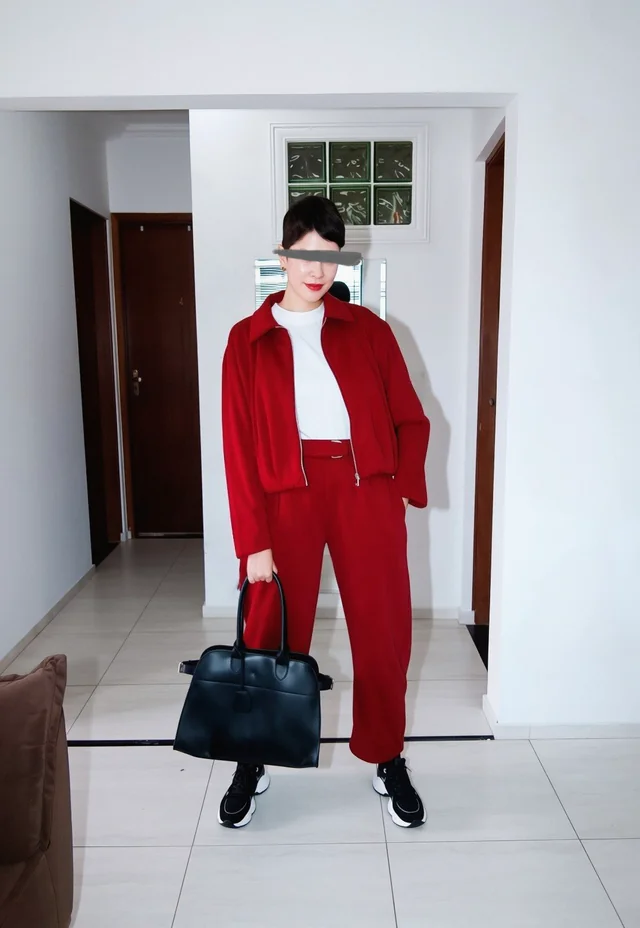
Gamine 1
Gamine 2
Gamine 3

Gamine

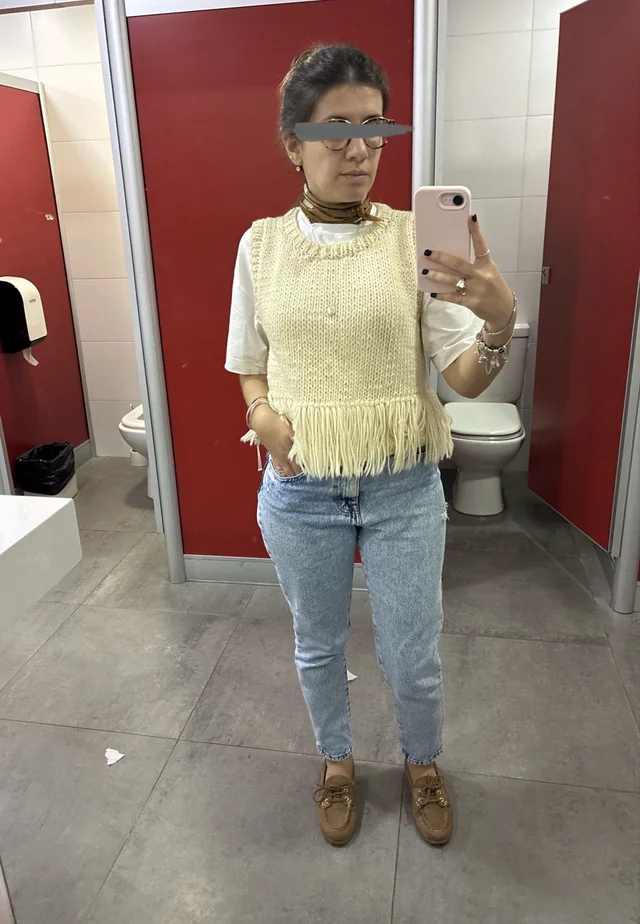
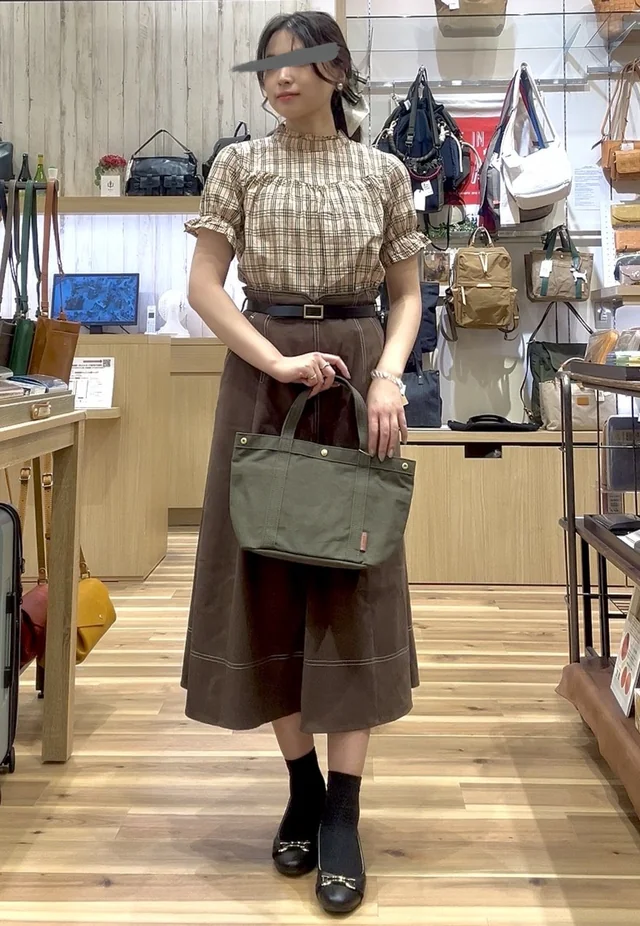
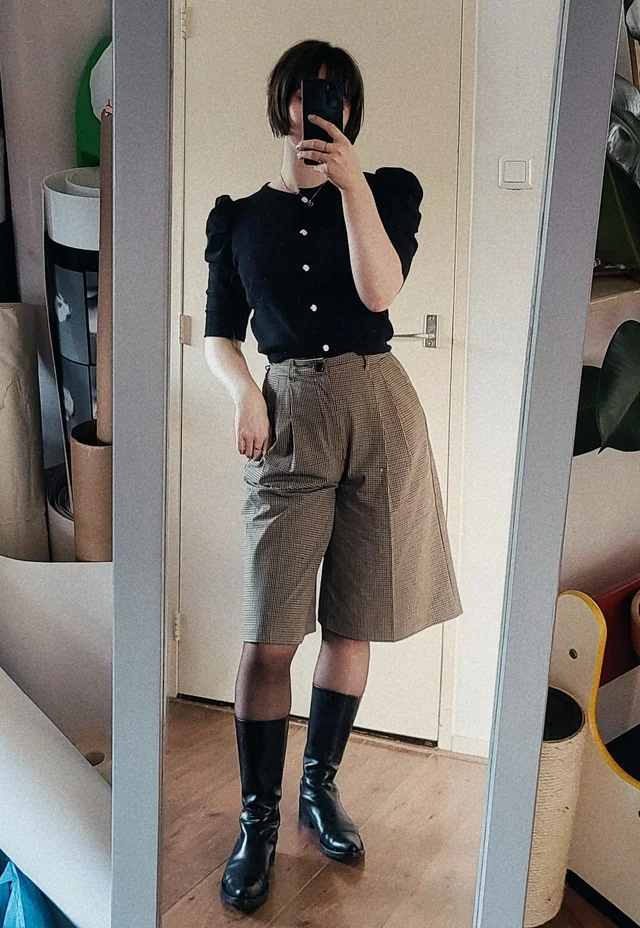
Summary. Gamine is a dress system in which garments are designed, selected, and evaluated through a logic of precision-scaled minimalism: tailored silhouettes calibrated to petite or slim body proportions, clean-line construction that privileges structural crispness over ornamentation, and a material economy in which the apparent simplicity of each garment — a Breton-stripe marinière, a pair of ankle-cropped cigarette pants, a grosgrain-trimmed ballet flat — conceals the engineering substrate required to make "simple" read as refined rather than plain. The aesthetic is governed by a proportion-legibility logic: garments are judged by how their cut, seam placement, and fabric behavior produce an impression of effortless, youthful elegance that is readable only by participants with sufficient construction literacy to distinguish a dart placement optimized for a narrow torso from one scaled down from a standard block, a ballet flat with a properly engineered last from a collapsed slipper, or a boatneck neckline cut to frame the clavicle from one that merely exposes the shoulder.

In Material Terms

Gamine's coherence depends on the performance properties of high-quality basics — garments whose visual restraint demands superior fabric because there is no embellishment, pattern complexity, or structural drama to distract from textile quality. Supima cotton (extra-long-staple, fiber length exceeding 34mm, grown in the American Southwest) provides the tight, smooth hand that elevates a plain white T-shirt from commodity to wardrobe anchor. Fine-gauge merino (17.5–19.5 micron fiber diameter) enables lightweight knits that hold structure through a full day's wear without sagging, pilling, or losing shape at stress points — collar, cuff, hem. Silk jersey (a weft-knit from continuous-filament silk yarn) drapes with controlled fluidity, producing the body-skimming fit that gamine demands without clinging or revealing seam construction through the exterior. When these textile parameters are correctly matched to the silhouette's narrow proportions and the construction's clean-seam requirements, the system produces garments that appear effortlessly minimal while performing at a level that commodity basics cannot sustain. When the system is reduced to visual quotation — "simple" garments executed in cheap jersey, synthetic blends, or poorly structured cotton that pills at contact points and loses shape after two washes — the category collapses into plainness that mimics gamine's forms while lacking its engineering substance.

At Category Level

Gamine occupies a contested boundary between body-type classification and deliberate styling practice. High-specification implementations are evaluated through tailoring-precision criteria: dart placement relative to bust apex on narrow frames, waistline positioning that visually elongates a petite torso, collar-to-shoulder seam distance calibrated to avoid the "borrowed" appearance that standard sizing produces on smaller frames, and the specific ankle-to-hem ratio that makes cropped trousers read as intentional rather than ill-fitting. Lower-tier implementations reproduce the visual grammar — Breton stripes, ballet flats, cigarette pants, pixie-cut hair — while stripping away the fit engineering and fabric quality that originally justified those forms. This stratification is not merely commercial but epistemological: it separates participants who evaluate garments through proportion science and textile performance from those who evaluate through image-ID taxonomy and trend recognition, and this separation structures the entire discourse surrounding gamine from Kibbe body-typing forums to Parisian-chic mood boards.

Methodologically

This entry treats gamine as a proportion-engineering system embedded in specific historical, cultural, and body-political contexts: garments are analyzed by how their internal construction produces external legibility, how textile science determines whether simplicity reads as quality or as absence, how the aesthetic's historical entanglement with thinness encodes exclusionary body norms within an apparently neutral styling vocabulary, and how the politics of "elfin" femininity reproduce age-coded and size-normative ideals through the language of personal style.

Word (Etymology)

From French gamin (masculine) and gamine (feminine), originally denoting a street urchin or mischievous child — a term rooted in Parisian working-class argot of the early nineteenth century, appearing in Honoré de Balzac's novels and Victor Hugo's Les Misérables (1862), where the character of Gavroche embodies the gamin archetype: impudent, resourceful, thin, quick-moving, irreverent toward authority. The word entered English fashion vocabulary in the early twentieth century, its class-marked origin (impoverished street child) undergoing the semantic bleaching common to fashion adoption: the poverty referent was erased, the youth-and-energy referent was preserved, and the thinness referent was aestheticized. By the 1950s, "gamine" in fashion discourse denoted a specific feminine type — petite, slim, short-haired, boyishly proportioned, elfin-featured — that bore no trace of the economic deprivation Hugo described. This etymological reframing is significant: it converts a class condition (malnourished thinness, street-child scrappiness) into a style essence (delicate slimness, playful insouciance), naturalizing a body type as an aesthetic category.

In contemporary usage, "gamine" circulates simultaneously in fashion editorial (denoting a styling register), body-typing systems (denoting a physical classification in David Kibbe's 1987 framework and its online derivatives, where "Soft Gamine," "Flamboyant Gamine," and "Theatrical Romantic" function as bone-structure categories), and social-media aesthetic taxonomy (denoting a mood-board keyword on Pinterest, TikTok, and Instagram). The Kibbe system's appropriation of the term is particularly consequential: by claiming that certain skeletal structures "naturally" suit gamine dress, it repackages a historically contingent styling practice as biological destiny — converting fashion choice into body fate. In Japanese fashion discourse, the concept circulates through Popeye and Fudge magazine styling as a form of "Parisian chic" (パリジェンヌスタイル) emphasizing clean lines and effortless minimalism, while in Korean fashion contexts, the term intersects with "girl crush" and "French girl" aesthetics without the body-type determinism that anglophone Kibbe discourse imposes.

Subculture

Gamine never coalesced into a formal subculture with the institutional infrastructure — dedicated venues, zines, record labels, political commitments — that structures subcultural formations like punk, goth, or hip-hop. Instead, gamine operates as a distributed styling practice whose participants are connected by shared visual references, proportion sensibilities, and evaluative criteria rather than by physical co-presence, musical affiliation, or political identity.

The Left Bank proto-community (1940s–1960s). The closest gamine came to a scene-based formation was the Left Bank intellectual milieu of postwar Paris, where existentialist philosophy, jazz, and literary culture produced a distinctive visual vocabulary: slim black trousers, black turtlenecks, ballet flats, minimal makeup, cigarettes, and an affect of intellectual seriousness that rejected the conspicuous femininity of Dior's 1947 New Look. Juliette Gréco, Françoise Sagan, and the anonymous regulars of Saint-Germain-des-Prés cafés constituted not a subculture proper but a social milieu whose dress practices were legible as a coherent alternative to mainstream bourgeois femininity. These women did not call themselves gamines — the term was applied retrospectively — but their styling choices (dark palette, slim silhouette, androgynous restraint) established the visual grammar that Hollywood would codify as "gamine" through Audrey Hepburn's screen image.

The Hollywood archetype as surrogate community. Unlike most aesthetic categories, gamine's community formation occurred through fan identification with a single celebrity archetype rather than through participant interaction. Hepburn's films — Roman Holiday (1953), Sabrina (1954), Funny Face (1957), Breakfast at Tiffany's (1961) — generated an aspirational reference that viewers adopted individually, without the collective gathering spaces that subcultures typically require. This parasocial community structure meant that gamine's evaluative norms were transmitted through media consumption rather than through peer-to-peer styling exchange: one learned "gamine" by watching Hepburn rather than by dressing alongside other gamines in a shared physical space.

Digital body-typing communities (2010s–present). The most organized gamine community emerged through the digital revival of David Kibbe's body-type classification system. Originally published in 1987 (Metamorphosis: Discover Your Image Identity and Dazzle As Only You Can) and largely forgotten by the 2000s, Kibbe's framework was rediscovered through Reddit (r/Kibbe), Facebook groups, TikTok typing videos, and style blogs that converted his categories into algorithmic self-classification tools. Within this ecosystem, "Gamine," "Soft Gamine," and "Flamboyant Gamine" became identity labels around which participants organized — sharing outfit posts, debating classification criteria, requesting community "typing" based on photographs. This community's evaluative regime is fundamentally different from the Left Bank or Hollywood models: it evaluates garments through body-type compatibility rather than through construction quality, styling context, or cultural literacy, producing a discourse where the question "does this suit my bone structure?" replaces the question "is this well made and thoughtfully styled?"

Expertise economies and gatekeeping. Gamine's contemporary community is stratified by evaluative register. At the top, a small community of seamstresses, pattern-cutters, and personal stylists evaluates gamine garments through construction and proportion criteria — dart placement, seam engineering, fabric behavior on specific body geometries. A mid-tier of fashion-literate participants evaluates through reference literacy: the ability to cite Givenchy's Hepburn wardrobe, distinguish a genuine Breton marinière from a fashion-stripe imitation, or articulate why ankle-crop length must relate to shoe height and calf proportion. At the entry level, the Kibbe body-typing community evaluates through classification compliance: "am I a gamine?" precedes "is this garment good?" This hierarchy shapes how authenticity claims are adjudicated in platform discourse, and the tension between classification-driven and construction-driven evaluation defines gamine's contemporary subcultural dynamic.

History

The material history of gamine begins not in fashion design studios but in the convergence of postwar European femininity, Hollywood's star-construction machinery, and the engineering capabilities of Parisian haute couture — a convergence that produced a visual archetype whose forms persist seven decades later.

Flapper-era precursors and the garçonne (1920s–1930s). The silhouette later codified as gamine has structural antecedents in 1920s flapper fashion, which rejected Victorian corsetry and Edwardian hourglass ideals in favor of straight, dropped-waist silhouettes that de-emphasized bust and hips. Louise Brooks's bob and Clara Bow's boyish vitality established the visual vocabulary of androgynous youth. In France, Victor Margueritte's novel La Garçonne (1922) gave the type a name and a scandal — its independent, sexually liberated heroine embodied a modernist femininity that was simultaneously admired and condemned. Coco Chanel's jersey knits, borrowed-from-the-boys sportswear, and rejection of corseted waists provided the material infrastructure: knit fabrics that moved with the body rather than constraining it, simple silhouettes that required quality textile rather than structural undergarments. This era established the principle that would define gamine construction: when you remove ornament and structure, textile quality becomes the garment's only defense against looking cheap.

Left Bank existentialism and New Look refusal (1940s–1950s). While Christian Dior's 1947 New Look reinstated the hourglass — cinched waists, padded hips, full skirts consuming yards of fabric — a counter-current in Saint-Germain-des-Prés rejected this silhouette as bourgeois, retrograde, and incompatible with the intellectual and physical mobility that existentialist women valued. Juliette Gréco's slim black trousers, black turtleneck, and flat shoes constituted both a philosophical statement (dress as anti-bourgeois practice) and a practical one (you cannot ride a bicycle in a Dior Bar suit). This refusal was class-coded: the New Look required wealth (extensive fabric yardage), leisure (restricted movement), and infrastructure (girdles, petticoats); the Left Bank look required only quality basics and a slim body. The unacknowledged dependence on slimness was already present at gamine's origin — the silhouette worked on thin bodies and looked "wrong" on larger ones, a body-normative logic that would persist through every subsequent iteration.

The Givenchy-Hepburn collaboration (1953–1993). The most consequential event in gamine's history was Hubert de Givenchy's costuming of Audrey Hepburn, beginning with Sabrina (1954) — a collaboration that lasted four decades and produced the visual canon that "gamine" still references. Givenchy's construction for Hepburn was proportion-specific engineering: he designed for her exact body — 170cm, approximately 50kg, narrow shoulders, long neck, small bust, dancer's posture from her ballet training under Sonia Gaskell and Marie Rambert. The famous Sabrina neckline (a wide bateau cut exposing both collarbones and skimming the shoulder points) was drafted to frame Hepburn's specific clavicle-to-shoulder ratio; the sheath dresses were cut with minimal ease (the difference between body measurement and garment measurement), typically 1.5–2cm at bust and hip, compared to the 5–7cm standard in ready-to-wear — producing the body-skimming fit that reads as gamine precision rather than generic tightness. The cigarette pants were pattern-cut with a high waist (sitting at the natural waistline, approximately 3–5cm above the navel) and a narrow leg that tapered from mid-thigh to an ankle crop landing 2–3cm above the ankle bone — a proportion calibrated to expose enough ankle to create a visual break between trouser and shoe without the capri-pant bagginess that longer crops produce. Edith Head received the Academy Award for Sabrina's costumes, though the Givenchy-designed garments were the film's most iconic — a credit-attribution controversy that illustrates fashion's persistent erasure of collaborative labor.

Mod expansion and Twiggy's body politics (1960s). The 1960s mod movement expanded gamine's visual vocabulary while intensifying its body-normative requirements. Mary Quant's miniskirts, Vidal Sassoon's geometric haircuts (the five-point cut, the asymmetric bob), and André Courrèges's futurist shift dresses extended the boyish, youth-oriented silhouette into mass fashion. Twiggy (Lesley Hornby, discovered 1966) became gamine's most extreme embodiment: 5'6", 91 pounds, with a body that was not merely slim but prepubescent in its proportions. Her prominence made extreme thinness fashionable at a scale Hepburn's more moderate slimness had not, establishing a body-size requirement that subsequent gamine discourse would inherit. Simultaneously, Jean Seberg's performance in Jean-Luc Godard's À bout de souffle (1960) — cropped pixie cut, Breton-striped shirt, New York Herald Tribune T-shirt, slim trousers — imported Left Bank gamine into New Wave cinema, creating the Franco-American hybrid reference that contemporary gamine still cites. The decade established a lasting pattern: gamine's visual expansion (more garment types, more cultural contexts, more participants) always coincided with a narrowing of its body requirements.

Dormancy, revival, and platform repackaging (1970s–present). Gamine's silhouette receded through the 1970s–1990s as mainstream fashion moved through bohemian volume (1970s), power-shoulder maximalism (1980s), and grunge-era anti-fit (1990s). Brief revivals surfaced through individual figures — Winona Ryder's 1990s pixie cut and Chanel campaigns, Natalie Portman's shaved head in V for Vendetta (2005), Carey Mulligan's 2009–2013 crop — but gamine remained a reference rather than a dominant aesthetic until digital platforms restructured how dress categories circulate. Pinterest's mood-board format (2010 onward) made "gamine" a searchable styling taxonomy, generating image collections that preserved the Hepburn/Seberg visual vocabulary as an always-available archive. TikTok and Instagram's body-typing discourse (2018 onward) converted gamine from a styling practice into a diagnostic category, where the question shifted from "how do I achieve this look?" to "am I this type?" The Kibbe system's digital revival, fueled by Reddit communities and YouTube "typing" videos, formalized gamine as a bone-structure classification — a move that essentialized a historically contingent aesthetic into a body-deterministic identity. By the 2020s, "quiet luxury" and "old money" aesthetics absorbed gamine's clean-line, quality-basics logic into broader minimal-chic discourses, while "French girl" styling on social media preserved its Parisian-intellectual referent. The aesthetic is now simultaneously historical archive (Hepburn-Givenchy), digital classification (Kibbe gamine), and active styling practice (Parisian minimalism) — three registers that cite the same visual grammar while operating under entirely different social logics.

Silhouette

Gamine silhouette is governed by proportion engineering for narrow frames and the optical mathematics of how garment length, line placement, and body-exposure ratios produce an impression of elongated, youthful elegance on petite or slim bodies. The characteristic forms — fitted but not tight, cropped but not short, structured but not stiff — are not arbitrary style preferences but engineering consequences of how dart placement, seam lines, and hemline geometry interact with specific body proportions to produce the visual effect the aesthetic requires.

Shoulder and neckline geometry. The gamine shoulder sits precisely at the natural shoulder point — neither extended (which reads as power-dressing or oversized-borrowing on a narrow frame) nor set in (which narrows the silhouette further, producing a childlike appearance). The bateau (boat) neckline, gamine's signature, is cut on a gentle curve that follows the collarbone from shoulder point to shoulder point, typically with a depth of 2–3cm below the clavicle notch — deep enough to expose the collarbone's architecture (which reads as elegant on slim frames) without revealing chest or décolletage (which would shift the register from gamine to décolleté). The crew neckline, when used, sits at the base of the neck with minimal vertical drop — a proportion that elongates the neck visually, particularly when combined with cropped or slicked-back hair that exposes the nape. The Peter Pan collar — a flat, rounded collar lying symmetrically against the chest — introduces the youthful-whimsy coding that distinguishes gamine from austere minimalism, its flat construction requiring careful interfacing to maintain crispness without stiffness. Collar construction in quality gamine garments uses a lightweight fusible interfacing (woven, not non-woven, to maintain drape) cut on the same grain as the collar piece, ensuring the collar lies flat against varying neckline depths without curling, bubbling, or warping after washing.

Torso proportion and dart engineering. Gamine's fitted-but-not-tight torso silhouette requires dart placement calibrated to narrow bust-to-waist ratios. On a standard fitting block, bust darts are positioned for B–C cup proportions; gamine's typical A–B cup fitting requires dart repositioning — shortening the dart leg (the distance from dart point to seam edge) by 1.5–2.5cm and adjusting the dart angle to prevent excess fabric pooling at the bust apex, which on a smaller bust would create the "empty pouch" effect visible in poorly fitted standard-size garments on petite frames. Waist darts, similarly, must be narrower and shorter than standard blocks to maintain the close fit without the "pinched" effect that occurs when deep darts are used on a narrow waist. The sheath dress — gamine's foundational garment — integrates these darts into princess seams (vertical seams running from shoulder or armscye through the bust point to the hem) that shape the garment to the body's contour while providing the clean, uninterrupted vertical line that elongates the torso visually. This princess-seam construction, when executed in quality fabric with properly matched seam allowances, produces a silhouette that appears "simple" while containing more pattern-engineering than many visually busier garments.

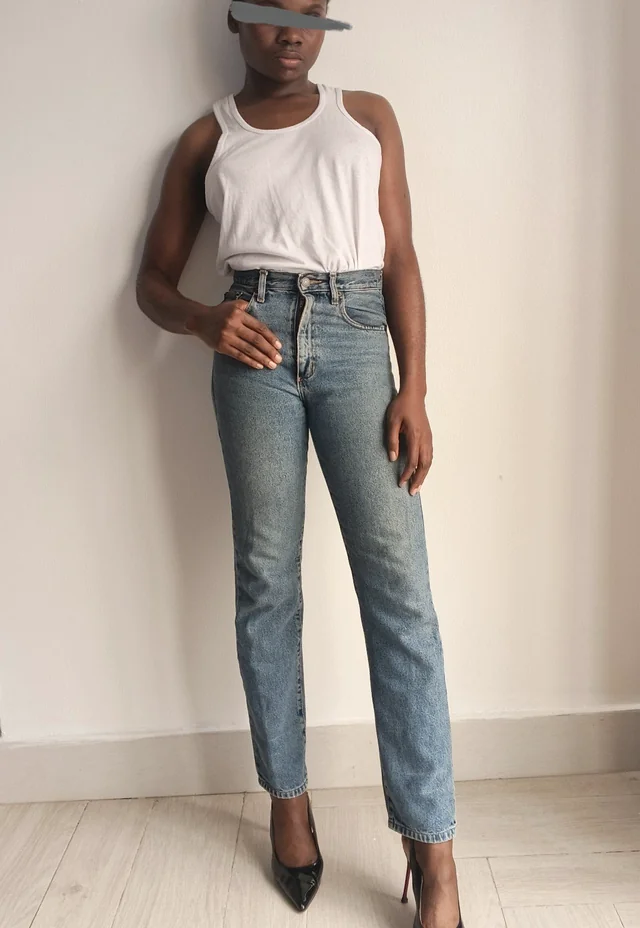
Trouser architecture: the cigarette pant. The cigarette pant is gamine's defining lower-body garment, and its construction encodes the aesthetic's proportion logic precisely. The rise is high — sitting at the natural waist (2–5cm above the navel) rather than at the hip — because a high rise allows the trouser to hang from the body's narrowest point, producing clean drape on a slim frame and visually elongating the leg by establishing the waistline as the top of the lower-body silhouette. The leg is narrow from hip through thigh and knee, tapering to a straight line from knee to ankle with a finished width of 15–17cm at the hem (compared to 18–21cm in standard straight-leg trousers). The hem falls at the ankle bone or 2–3cm above it — the "cigarette crop" that exposes enough ankle to create a visual break between trouser and shoe, elongating the leg optically by revealing the narrowest point of the lower leg. This crop length is proportion-critical: too short (mid-calf) reads as capri and shifts the register from sophisticated to casual; too long (at the shoe) eliminates the ankle exposure that provides the visual break. The waistband is typically narrow (2.5–3.5cm) and unembellished, fastening with a concealed hook-and-bar or side zip that preserves the clean front line that gamine demands. The absence of belt loops on many gamine trousers is both aesthetic choice and construction logic: belts add visual weight at the waist, and the smooth waistband creates a seamless transition from torso to leg that the aesthetic's elongation strategy requires.

Skirt and dress hemlines. The A-line shift — a sleeveless, slightly flared dress landing at or just above the knee — provides gamine's dress silhouette, its flare beginning at the hip (not the waist, which would produce a fuller skirt incompatible with the narrow aesthetic). The knee-length hem is calibrated by the same elongation logic as the cigarette crop: the hem should bisect the knee or land 2–4cm above it, exposing enough leg to maintain the proportion of elongation without shifting into miniskirt territory (which codes mod or coquette rather than gamine). Pencil skirts, when used, follow the same high-waist, narrow-line logic as cigarette pants, with a hemline at or just below the knee and a back vent or walking pleat that provides mobility without disrupting the silhouette's narrowness.

Materials

Material selection is gamine's primary authentication mechanism — more so than in most aesthetics, because the visual simplicity of gamine garments means that fabric quality has nowhere to hide. A Breton-striped top in premium cotton jersey and the same design in budget polyester-cotton blend differ dramatically in drape, hand, wash behavior, and the way the garment holds its shape across hours of wear. The gap between these textile tiers is what separates gamine as a quality practice from gamine as a visual citation.

Cotton systems. Supima cotton (a trademark of the Superior Pima Cotton Association, denoting American-grown Gossypium barbadense with extra-long-staple fibers exceeding 34mm) is the gamine basic's quality benchmark. Extra-long-staple fibers produce smoother, stronger yarn because the longer fibers wrap more tightly in the spinning process, reducing the protruding fiber ends that cause pilling, and creating a higher thread count in the finished fabric. A Supima cotton T-shirt or marinière, constructed from combed and ring-spun yarn (combing removes short fibers; ring-spinning produces a smoother, denser yarn than open-end spinning), maintains its shape, resists pilling, and develops a soft, lustrous patina over repeated washing — where a standard-staple cotton version in the same weight will pill at friction points (underarm, bag-strap contact), lose dimensional stability (neckline stretching, hem curling), and develop a faded, tired appearance within 10–15 wash cycles. Egyptian cotton (Gossypium barbadense grown in the Nile Delta, marketed as Egyptian or Giza cotton) and Sea Island cotton (Caribbean-grown extra-long-staple, the rarest and most expensive cotton type) provide further refinements in softness and luster, but Supima represents the quality threshold above which gamine's cotton garments reliably perform and below which they do not.

Cotton poplin — a tight plain-weave fabric with a fine crosswise rib, produced from fine-count yarns (80s–120s two-ply) — is the gamine dress shirt's substrate, its crisp hand providing the structured-but-not-stiff behavior that collared gamine garments require. Poplin's tight weave resists wrinkles better than looser-woven alternatives and produces the smooth surface that gamine's clean-line aesthetic demands. Cotton piqué (a dobby-woven fabric with a raised, textured surface) appears in polo shirts and structured tops, its dimensional texture providing visual interest within gamine's plain-surface vocabulary.

Wool and knitwear systems. Fine-gauge merino wool (17.5–19.5 micron fiber diameter, corresponding to Super 100s–120s grading) is the gamine knit wardrobe's foundation. The critical engineering parameter is gauge — the number of stitches per inch in the knitted fabric. Fine-gauge knitting (12-gauge and above, meaning 12 or more stitches per inch) produces a smooth, dense surface with minimal visible stitch texture, enabling the clean-surface aesthetic gamine requires. At 12-gauge, a merino crew-neck sweater provides warmth equivalent to a medium-weight woven layer while maintaining the slim silhouette profile — neither the bulkiness of chunky knit nor the fragility of ultra-fine gauge. The yarn itself is typically worsted-spun (combed fibers aligned parallel before spinning, producing a smooth, dense yarn) rather than woolen-spun (carded fibers in random orientation, producing a lofty, textured yarn), because worsted-spun yarn produces the smooth fabric surface that gamine's clean-line logic demands. Merino's natural elasticity allows fine-gauge knits to hold body-close fit without the synthetic elastane blending that would compromise breathability and hand feel — a key distinction between quality gamine knitwear and its fast-fashion equivalents, which achieve similar fit through polyester-elastane blends that trap heat, accumulate odor, and develop a shiny, synthetic appearance after repeated wearing.

Breton-stripe marinières — the horizontal-striped knit tops that are gamine's most iconic garment — demonstrate the textile-engineering demands of apparent simplicity. A properly constructed marinière uses a circular-knit or seamless construction in medium-weight cotton jersey (180–220 g/m²), with stripes integrated into the knitting process (yarn-dyed stripes, where the color is knitted in) rather than printed onto the finished fabric (which produces stripes that fade, crack, and lose registration after washing). The classic Saint James marinière, produced in Normandy since 1889, uses a tightly spun, combed cotton yarn at a gauge that produces a dense, stable knit resistant to the horizontal stretching that would distort stripe width and spacing. This construction discipline — invisible to the casual observer but immediately apparent to anyone comparing a Saint James or Armor Lux marinière against a fast-fashion imitation — is what makes a "simple striped shirt" function as a quality garment rather than a disposable one.

Silk and blended systems. Silk jersey — a weft-knit fabric produced from continuous-filament silk yarn — provides gamine's dressier wardrobe tier. Its controlled drape (heavier and less slippery than woven silk, lighter and more fluid than cotton jersey) produces the body-skimming fit that gamine requires for evening and occasion wear. The fabric's natural temperature regulation (cool in heat, insulating in cold) and moisture absorption (silk absorbs up to 30% of its weight in moisture before feeling damp) make it functionally superior to polyester jersey for close-fitting garments, though its sensitivity to perspiration staining, water spotting, and abrasion damage makes it a higher-maintenance choice. Silk charmeuse (a satin-weave silk with a lustrous face and matte back) appears in camisoles and shell tops that layer under blazers or cardigans, its controlled sheen adding just enough surface interest to distinguish gamine's dressed-up register from its casual one.

Wool-silk and wool-cotton blends extend the gamine wardrobe's seasonal range: a Super 100s merino-silk blend (typically 70/30 or 80/20) produces a lightweight sweater with merino's shape retention and silk's drape and luster, suitable for transitional-season layering. Cotton-cashmere blends (typically 70/30 cotton-cashmere) provide the softness and temperature regulation of cashmere at a price point and durability level that pure cashmere — with its vulnerability to pilling, moth damage, and fiber degradation — cannot reliably sustain for everyday gamine basics.

Color Palette

The palette operates on a principle of high-contrast restraint: a narrow chromatic range deployed in bold tonal pairings that create visual impact through proportion and placement rather than through color variety. This is the palette logic of the "ten-piece wardrobe" — every color is chosen to combine with every other color, producing maximum outfit permutation from minimum wardrobe inventory.

Black and white form the foundational axis. Black — in solid tops, trousers, shoes, and outerwear — functions as the palette's anchoring neutral, its severity tempered by the silhouette's youthful proportions and the details' whimsical touches (a grosgrain bow, a Peter Pan collar, a ballet flat). White — in shirts, T-shirts, and summer dresses — provides the contrasting clean-slate element, its maintenance demands (laundering discipline, stain vigilance, fabric-whiteness preservation) encoding the same attention-to-care that sartorial dress signals through pressing and brushing. The black-and-white pairing is gamine's signature: a black cigarette pant with a white boatneck top, a white button-down with a black A-line skirt, a Breton stripe combining the two in regulated alternation.

Navy occupies the palette's third position, functioning as a less severe alternative to black that introduces warmth and softness while maintaining the palette's tonal discipline. Camel and tan provide the fourth tier, anchoring outerwear (the camel topcoat, the trench coat) and accessories in warm neutrals that complement both the black-and-white axis and the navy variations. Red appears strictly as accent — a red lip, a red ballet flat, a red silk scarf, a red beret — providing the single chromatic punctuation that gamine permits against its neutral field. This accent logic follows the same strategic restraint as the overall palette: one strong color, deployed sparingly, creates more impact than multiple colors competing for attention.

Pattern is regulated with equal precision. The Breton stripe (navy and white horizontal stripes, traditionally 20-21 stripes on the marinière body) is gamine's only permitted "busy" pattern, its horizontal orientation contradicting the general elongation strategy but functioning as a cultural signifier (nautical heritage, French identity, artistic bohemia) that overrides optical logic. Polka dots — small-scale, high-contrast (white on navy, navy on white) — provide a secondary pattern option, their regularity and geometric simplicity compatible with gamine's clean-line logic. Windowpane checks and fine houndstooth appear in blazers and trousers. Florals, paisleys, abstract prints, and irregular patterns are systematically excluded: their visual complexity contradicts the graphic simplicity that defines gamine's chromatic register.

Details

Details in gamine dress are best understood as proportion-calibration interfaces — design elements whose primary function is to manage how the eye reads body scale, line, and movement, and whose secondary function is to introduce the whimsical-youthful coding that distinguishes gamine from austere minimalism.

Collar and neckline systems. The Peter Pan collar — a flat, rounded, symmetrical collar with no stand — is gamine's most semiotically loaded detail, encoding girlhood, innocence, and retro femininity in a single construction element. Quality execution requires precision: the collar pieces must be symmetrically cut (pattern matching across the center front), the inner and outer collar must be understitched (the seam allowance stitched to the inner collar, preventing the inner layer from rolling outward and becoming visible), and the collar must be pressed to lie flat against the garment body without curling at the tips or gapping at the neck. The bateau neckline requires finish engineering appropriate to the garment's fabric: on knit garments, a folded binding (self-fabric or contrast ribbon) stabilizes the wide neckline against stretching; on woven garments, a faced neckline (a shaped piece of fabric finishing the raw edge on the interior) provides clean structure without the bulk of a visible binding. Neckline stability is particularly critical for gamine garments because the wide, shallow neck opening (bateau, scoop, or wide crew) is prone to stretching on less-stable fabrics, and a stretched neckline — drooping below the collarbone rather than framing it — is the most immediately visible construction failure in the aesthetic's upper-body garments.

Sleeve and armscye engineering. Gamine's characteristic sleeve options — cap sleeve, three-quarter sleeve, sleeveless — are calibrated to expose the arm at proportions that enhance the narrow silhouette. The cap sleeve (extending 3–5cm beyond the shoulder point, covering the deltoid without reaching the bicep) creates a clean shoulder line while providing the arm exposure that elongates the upper body visually. The three-quarter sleeve (ending 5–8cm above the wrist) exposes the forearm's narrowest section (the wrist area), creating the same elongation effect that the ankle crop provides on the lower body. Sleeveless cuts require precise armscye (armhole) finishing: the armhole curve must be deep enough to prevent gapping at the underarm (which reveals underwear and reads as poor fit) but not so deep as to restrict arm movement or expose the side torso. A well-finished sleeveless armhole uses either a bias-cut facing (shaped fabric piece finishing the interior edge) or a bound finish (self-fabric or contrast binding wrapping the raw edge), both of which require careful pressing to lie flat without puckering.

Hem engineering and the ankle-crop detail. The cigarette pant's ankle crop — gamine's single most proportion-critical detail — requires specific construction to maintain its sharp line. A blind hem (machine-sewn with a blind-hem stitch, producing nearly invisible stitching on the exterior) preserves the clean exterior line. The hem allowance should be 2.5–3cm — enough to provide weight and stability but not so much as to create visible ridge or bulk at the hem fold. In tailored versions, the hem is pressed with a tailor's ham to follow the leg's slight taper, preventing the "flared" effect that occurs when a straight-pressed hem meets a tapered leg. Some gamine trousers use a concealed weight — a small chain (as in Chanel trouser hems) or tape sewn into the hem fold — to improve drape and prevent the hem from riding up during movement, a detail that separates bespoke-level gamine construction from ready-to-wear production.

Hair as construction detail. Gamine is distinctive among fashion aesthetics in treating hair as an integral garment-system component rather than an accessory. The pixie cut and cropped bob are not merely styling choices but proportion-engineering decisions: short hair exposes the neck, jaw, and ear, visually elongating the upper body and directing attention to facial features and the neckline geometry of garments. A long hairstyle on the same body in the same garments shifts the aesthetic register away from gamine — the volume and length of long hair compete with the garments' clean lines and alter the head-to-body proportion that gamine's visual mathematics require. The pixie cut itself is a construction object: Vidal Sassoon's geometric cuts of the 1960s (the five-point cut, the isadora) treated hair as an architectural material, using precise angle-cutting and graduated layering to create shapes that held their form through movement — the same structural-integrity requirement that gamine applies to its garments. Contemporary gamine hair is typically cut with point-cutting or razor-cutting techniques that create texture and movement within a short silhouette, maintaining the "effortless" appearance while requiring regular cutting (every 4–6 weeks for a pixie, compared to 8–12 weeks for longer styles) to preserve proportion.

Accessories

Accessory systems in gamine extend the proportion-engineering and clean-line logic of the garment system, forming a carefully calibrated ensemble where each element is evaluated by how it maintains or disrupts the silhouette's visual mathematics.

Footwear: the ballet flat as engineered object. The ballet flat is gamine's defining footwear, and its apparent simplicity conceals construction engineering that separates quality implementations from their mass-market imitations. A properly constructed ballet flat begins with the last — the three-dimensional foot form around which the shoe is built. Gamine-appropriate lasts are low-profile (minimal toe-box height, creating a sleek rather than bulky front), slightly pointed or almond-shaped (elongating the foot visually, as opposed to rounded toes that read as juvenile or orthopaedic), and engineered with a 5–10mm heel pitch (the slight elevation of the heel relative to the forefoot) that provides enough arch support to prevent the plantar-flexion fatigue that truly flat shoes cause during extended wear. The upper is typically cut from a single piece of nappa leather or suede, lasted (stretched over the foot form) with adhesive and occasionally with tack stitching, and secured to a leather or leather-board insole. The outsole — the critical performance component — distinguishes quality construction from disposable: a leather outsole provides flexibility, breathability, and the ability to be resoled by a cobbler; a cemented rubber outsole provides greater grip and moisture resistance but cannot be resoled when worn through. The iconic grosgrain bow at the vamp (Repetto's original, based on Rose Repetto's design for her son, dancer and choreographer Roland Petit, in 1947) serves both decorative and structural functions: it conceals the gathering point where the upper's elastic drawstring collects excess material, and it provides the single ornamental detail that codes the shoe as feminine-whimsical rather than merely practical.

Jewelry: the scale principle. Gamine jewelry operates on a strict scale logic: small, delicate, architecturally simple. Fine chain necklaces (1mm or less in chain width), stud earrings (4–6mm diameter), thin bangles, and minimal rings maintain the proportion relationship between accessory and body that the slim silhouette requires. Oversized jewelry disrupts this proportion, visually overwhelming a petite frame and shifting the register from gamine to maximalist. Gold (yellow or rose, in fine gauge) is preferred over silver for its warmth against the palette's black-and-white severity, though silver or white gold appears in contemporary interpretations. Pearls — small, real or high-quality simulated, in stud or short-strand form — provide the only "classic" jewelry element, linking gamine to old-money restraint without the statement-jewelry scale that other aesthetics permit.

Scarves, bags, and optical accessories. The silk scarf — worn knotted at the neck, as a headband, or tied to a bag handle — is gamine's most versatile accessory, its color serving as the accent note within the restrained palette. Small, structured handbags (crossbody or top-handle, in leather, with clean hardware) maintain the proportion logic: the bag should not extend below the hip or wider than the torso, as oversized bags disrupt the silhouette's narrow line. Oversized sunglasses (cat-eye or round frames, in acetate or thin metal) provide the single overscale element that gamine permits — their drama reads as playful rather than proportionally disruptive because they frame the face, which is the silhouette's focal point. The beret, when worn, is placed at a deliberate angle (tilted to one side, sitting back from the forehead) rather than pulled down symmetrically, its asymmetry introducing the controlled imperfection — the gamine equivalent of sprezzatura — that distinguishes styled from costumed.

Body Logic

Gamine conceptualizes the body as a proportion canvas on which youth, androgyny, and intellectual restraint are projected through the precise calibration of garment fit to body scale. The body reads as animated, quick-moving, and intellectually present — it enters a room as an elegant parenthesis rather than a display surface, its impact derived from precision rather than volume.

Gender coding in gamine is paradoxical: the aesthetic borrows masculine elements (trousers, flat shoes, short hair, androgynous silhouette) while maintaining legible femininity through specific details (Peter Pan collars, ballet flats, grosgrain bows, delicate jewelry). This is not androgyny as erasure of gender markers but androgyny as selective deployment — choosing which masculine and feminine elements to combine, and in what ratio, to produce a third register that reads as neither conventionally feminine nor conventionally masculine but as "gamine" — a category that has effectively become its own gender-presentation mode. Hepburn's screen image established this register: she wore menswear-derived garments (cigarette pants, button-down shirts, loafers) without the transgressive charge of Marlene Dietrich's cross-dressing or the power-statement of Saint Laurent's Le Smoking, because her styling framed the masculine borrowings within an explicitly youthful, non-threatening femininity.

However, gamine's body logic encodes body-size normativity in ways that its "anyone can try this style" rhetoric obscures. The aesthetic's dependence on specific body proportions — narrow shoulders, small bust, slim hips, long-relative-to-torso legs, visible collarbones, angular jaw — is not incidental but structural: the garments' proportion engineering is designed for these dimensions, and the visual effect the aesthetic produces depends on these body-garment relationships. A cigarette pant cropped to expose the ankle creates different optical effects on a slim ankle versus a wider one; a bateau neckline framing a prominent clavicle produces a different visual statement than the same neckline on a fuller décolletage. The Kibbe body-typing system makes this dependency explicit by classifying "gamine" as a body type rather than a styling choice — a move that honest about the aesthetic's body-specific calibration while simultaneously reinforcing the exclusion by naturalizing it as skeletal destiny.

The politics of thinness are inseparable from gamine's visual vocabulary. The French term gamine originally described an underfed street child; the aesthetic's historical exemplars (Hepburn, Twiggy, Seberg) were all notably thin; the contemporary Kibbe community's "typing" discussions frequently turn on whether someone is "thin enough" to be gamine. This body-size gatekeeping operates through the aesthetic's own logic: because the garments are proportion-engineered for narrow frames, wearing them on non-narrow bodies produces visually different results that the community can evaluate as "not gamine" without explicitly naming size bias — the limitation is framed through fit discourse rather than stated as size prejudice. The emergence of "plus-size gamine" and "gamine at every size" counter-discourses on social media represents an attempt to separate the styling vocabulary (clean lines, cropped trousers, ballet flats) from its body-normative substrate, though the extent to which this separation is materially achievable — given that the garments' construction is literally calibrated for specific proportions — remains an open and politically charged question.

Garment Logic

Gamine construction begins with the principle that visual simplicity requires engineering precision: the fewer the design elements, the more each element must perform structurally, because there is nowhere for poor construction to hide.

The sheath dress. The gamine sheath dress — a sleeveless, fitted, knee-length dress with minimal ease — is the aesthetic's foundational garment and its most demanding construction challenge. The pattern requires a fitted bodice with princess seams or bust darts precisely positioned for the wearer's bust apex, a waist seam or shaped waist that creates gentle suppression without cinching, and a straight or slightly A-line skirt that falls from the waist to the knee without clinging to the hips or thighs. The fabric must have enough body to hold the silhouette (too drapey, and the sheath collapses into a slip dress; too stiff, and it becomes a shift), enough stretch recovery to maintain fit across hours of wear (critical at the waist and hip, where seated compression deforms less-resilient fabrics), and enough weight to drape without transparency (minimum 180 g/m² for opaque single-layer construction in cotton; lighter weights require lining). A cotton-elastane blend (97/3 or 98/2) provides the stretch recovery that pure cotton lacks, enabling the close fit that gamine's sheath requires without the synthetic sheen of higher-elastane blends. Lining — in Bemberg cupro (for its silk-like hand, moisture absorption, and static resistance) or acetate (less expensive, less durable) — ensures the dress slides over the body rather than catching on skin or undergarments, and provides the structured interior face that quality garments require.

The blazer. Gamine's blazer is shorter than standard menswear-derived tailoring — typically hitting at the hip rather than the mid-seat — with a single-button or two-button closure, narrow lapels (5–7cm at the widest point, compared to 7–9cm in standard tailoring), and a fitted waist achieved through darting or princess-seaming rather than through the canvas-and-pad-stitching architecture of formal tailoring. The construction is typically half-lined (lined through the body, unlined in the sleeves) to reduce weight and bulk, maintaining the slim profile that full lining's added layers would compromise. Shoulder padding, if present, is minimal — 3–5mm of polyester wadding or cotton domette, compared to 8–15mm in structured tailoring — providing just enough definition to square the shoulder line without extending it beyond the natural shoulder point. The result is a blazer that reads as tailored without the weight, formality, or body-distance of sartorial construction — "borrowed from the boys" scaled down and softened.

Aftercare and maintenance. Gamine's quality-basics logic imposes specific maintenance requirements. Cotton garments (T-shirts, marinières, poplin shirts) should be washed in cold water and line-dried or tumble-dried on low heat to preserve fiber integrity and prevent the shrinkage that would alter the precise proportions the aesthetic requires — a shrunken marinière that no longer hits at the correct hip point or a poplin shirt whose collar has warped from heat exposure fails the aesthetic's proportion standards even if the garment is otherwise intact. Merino knitwear should be hand-washed or machine-washed on a dedicated wool cycle with a pH-neutral detergent (standard detergents' alkalinity damages wool's protein fiber structure), reshaped while damp on a flat drying surface (hanging stretches the knit under gravity), and stored folded rather than hung (to prevent shoulder-point distortion). Silk jersey requires hand-washing in cool water with a silk-specific detergent, pressing with a cool iron on the reverse side (direct heat damages silk's protein structure, creating permanent shine marks), and storage away from direct light (UV degrades silk fiber, causing yellowing and strength loss). Ballet flats — the accessory requiring most frequent replacement due to sole wear — can be maintained through regular cleaning with a damp cloth and leather conditioner, sole protectors applied before first wear (adhesive rubber half-soles that extend leather-outsole lifespan), and cedar shoe trees that absorb moisture and maintain shape between wearings.

Failure modes. The gamine wardrobe's primary failure mode is the degradation cascade that occurs when quality basics are substituted with lower-tier equivalents. A standard-cotton marinière that pills at friction points and loses neckline shape after five washes; a polyester-blend cigarette pant that develops permanent knee baggage and waistband curl; a ballet flat with cemented construction that delaminates at the toe after two months of wear — each failure degrades not just the individual garment but the entire outfit's coherence, because gamine's clean-line logic means that a single visibly degraded element compromises the whole. The second failure mode is proportion drift: weight change, aging, or body-composition shifts that alter the garment-body relationship the aesthetic was calibrated for. A cigarette pant that once cropped cleanly at the ankle may ride differently after hip or thigh change; a bateau neckline that framed the clavicle may sit differently after shoulder or bust change. This proportion sensitivity — higher in gamine than in most aesthetics because the fit tolerances are tighter — means that the wardrobe requires ongoing recalibration through alteration or replacement, contradicting the "timeless basics" narrative that gamine marketing promotes.

Motifs / Themes

Youth as permanent state. Gamine's recurring motif is the refusal of mature femininity in favor of an eternal girlishness that transcends biological age — the Peter Pan collar as literal nominative reference, the ballet flat as perpetual dancer's readiness, the pixie cut as perennial freshness. This motif is simultaneously its appeal (freedom from the aging imperatives of conventional feminine beauty) and its contradiction (perpetual youth is achievable only through body maintenance that itself requires resources, discipline, and genetic fortune).

Intellectual authenticity through material restraint. Gamine stages a fantasy of the cultured woman who dresses simply because she has more important things to think about — the Left Bank intellectual, the art-house cinema devotee, the book reader rather than the fashion consumer. This motif converts material restraint (limited wardrobe, simple garments, few accessories) into intellectual virtue, positioning consumption refusal as cultural sophistication. The paradox is that achieving this "effortless" simplicity requires investment in precisely the quality basics that make restraint legible as choice rather than as poverty — the gap between "simple because cultivated" and "simple because unable to afford complexity" is bridged by textile quality and construction precision, which are themselves expensive.

Androgyny as controlled play. Gamine's gender-mixing is always calibrated rather than radical: menswear elements (trousers, flat shoes, cropped hair) are combined with feminine details (bows, collars, delicate jewelry) in proportions that maintain legible femininity while borrowing masculine simplicity. This controlled androgyny distinguishes gamine from butch, tomboy, or gender-nonconforming aesthetics, which pursue androgyny as social statement rather than as styling register. Gamine's androgyny is decorative rather than political — it plays with gender markers without challenging the binary that produces them.

Cultural Touchstones

Audrey Hepburn in Sabrina (1954) — the transformation scene where a Parisian-educated chauffeur's daughter descends a staircase in Givenchy's bateau-neck cocktail dress, her gamine crop replacing her earlier ponytail — established the visual canon that the aesthetic still references seven decades later. The film literalizes gamine as transformation narrative: Hepburn's character becomes "gamine" through exposure to Parisian culture, Givenchy construction, and the decision to cut her hair, encoding the aesthetic as something achieved through cultural refinement rather than merely worn. Breakfast at Tiffany's (1961) produced gamine's single most cited image — the Givenchy black sheath dress, pearl choker, upswept hair, cigarette holder, and oversized sunglasses — an ensemble that has become shorthand for a specific register of urban feminine elegance. Funny Face (1957) is the most self-aware gamine text: Hepburn plays a Greenwich Village bookshop intellectual who resists fashion's superficiality before being transformed into a model — the film simultaneously celebrates gamine's anti-fashion intellectualism and demonstrates how that intellectualism is always already available for fashion's appropriation.

Jean Seberg in Jean-Luc Godard's À bout de souffle (1960) — walking down the Champs-Élysées selling New York Herald Tribune, her close-cropped hair and Breton-striped T-shirt becoming the Franco-American gamine's defining image — introduced gamine into New Wave cinema's intellectual-cool vocabulary. Seberg's styling was less constructed than Hepburn's (street clothes rather than couture, documentary immediacy rather than studio glamour), establishing a second gamine register: the intellectual-casual that would influence Parisian-chic aesthetics for decades.

Twiggy's 1966 emergence — discovered by Nigel Davies (Justin de Villeneuve), photographed by Barry Lategan, named by the Daily Express — expanded gamine from a styling register into a body-type ideal. Her measurement (31-22-32) and weight (91 pounds at 5'6") established an extreme that the aesthetic's "slim and boyish" vocabulary had always implied but never previously quantified. Mad Men featured January Jones's Betty Draper in gamine-adjacent styling. Contemporary references include Carey Mulligan, Rooney Mara, and Michelle Williams, all of whom have been photographed and styled using the Hepburn-derived gamine vocabulary of cropped hair, clean lines, and restrained palette.

See Also

  • Parisian chic: Overlapping refinement-through-restraint logic, broader than gamine's body-specific calibration
  • Mod: Shared 1960s youth silhouette and geometric hair, but louder color and more pattern
  • Minimalism: Shared material restraint, but without gamine's whimsical details and body-proportion specificity
  • Coquette: Contrasting femininity strategy (hyper-feminine versus androgynous), overlapping youth coding
  • Preppy: Shared clean lines and classic-basics logic, but Ivy League American rather than Left Bank Parisian
  • Tomboy: Shared androgynous elements, but lacking gamine's refined femininity and proportion engineering
  • Beatnik: Overlapping intellectual-bohemian reference, shared Left Bank origin, but darker and more oppositional
  • Androgyny: Broader gender-crossing category of which gamine represents one historically specific, femininity-retaining variant

Brands and Designers

Historical Couture:

  • Givenchy (Hubert de Givenchy, founded 1952): Hepburn's lifelong collaborator from Sabrina (1953), created the bateau-neckline cocktail dress, the little black dress, and the Hepburn-specific proportion system that defined gamine's construction vocabulary
  • Chanel (Coco Chanel, founded 1910): pre-gamine foundation in jersey knits, borrowed-from-the-boys simplicity, cardigan jackets, and the rejection of corseted femininity that gamine would inherit
  • Yves Saint Laurent (1961): Le Smoking (1966) as androgynous-femininity touchstone, trouser-based women's dressing that gamine absorbs into its vocabulary
  • Courrèges (André Courrèges, founded 1961): mod-futurist shift dresses and geometric silhouettes that expanded gamine's 1960s vocabulary
  • Mary Quant (founded 1955): miniskirts, geometric cuts, and youth-market fashion that democratized gamine's silhouette from couture to high street

French Heritage / Basics:

  • Saint James (1889, Saint-James, Normandy): the original Breton marinière manufacturer, circular-knit cotton jersey, French naval heritage
  • Armor Lux (1938, Quimper, Brittany): Breton-stripe knitwear, French-manufactured cotton jersey, marine heritage
  • Petit Bateau (1893, Troyes): fine-gauge cotton jersey underwear and basics, tight-rib construction that became gamine-adjacent casual wear
  • A.P.C. (Jean Touitou, 1987, Paris): minimalist French basics, slim-cut denim and cotton garments, intellectual-chic positioning
  • Sézane (Morgane Sézalory, 2013, Paris): contemporary French-girl basics, romantic gamine styling, direct-to-consumer model

Ballet and Footwear:

  • Repetto (Rose Repetto, 1947, Paris): the original ballet flat, cendrillon and brigitte models, nappa-leather construction on dance-derived lasts
  • French Sole (Jane Winkworth, 1989, London): ballet-flat specialist, wide range of styles and materials within the flat-shoe category
  • Chanel ballet flats (1957 design, quilted leather, grosgrain cap-toe): luxury gamine footwear combining ballet-flat silhouette with house codes

Contemporary Minimalist / Quality Basics:

  • The Row (Mary-Kate and Ashley Olsen, 2006): ultra-quality basics, construction precision as brand premise, gamine-adjacent minimalism at luxury pricing
  • Mansur Gavriel (2012, New York): minimalist leather goods and clean-line ready-to-wear, restrained palette
  • COS (H&M Group, 2007, London): accessible Scandinavian minimalism, clean-line basics, architectural simplicity
  • Everlane (2010, San Francisco): transparent-pricing basics, quality-fabric emphasis, Supima cotton and fine-gauge knitwear at mid-range pricing
  • Margaret Howell (1970, London): understated, quality-fabric British minimalism, androgynous clean lines

Japanese Precision / Basics:

  • Uniqlo (1984, Hiroshima): Supima cotton and extra-fine merino programs, quality-basic infrastructure at mass-market pricing
  • 45R (1977, Tokyo): Japanese-made premium cotton basics, artisanal fabric development
  • Sacai (Chitose Abe, 1999, Tokyo): hybrid construction and proportion play that references gamine's clean-line vocabulary through avant-garde reconstruction

Citations

[1] Givenchy, Hubert de. Interviews and press materials, 1953–1995. Referenced in Beyfus, Drusilla. Givenchy: 40 Years of Creation. Paris Musées, 1991. [2] Moseley, Rachel. Growing Up with Audrey Hepburn: Text, Audience, Resonance. Manchester University Press, 2002. [3] Walker, Alexander. Audrey: Her Real Story. Weidenfeld & Nicolson, 1994. [4] Wasson, Sam. Fifth Avenue, 5 A.M.: Audrey Hepburn, Breakfast at Tiffany's, and the Dawn of the Modern Woman. HarperStudio, 2010. [5] Kibbe, David. Metamorphosis: Discover Your Image Identity and Dazzle As Only You Can. Atheneum, 1987. [6] Steele, Valerie. Paris Fashion: A Cultural History. Berg, 1998. [7] Steele, Valerie. The Black Dress. HarperCollins, 2007. [8] Palmer, Alexandra. Dior: A New Look, a New Enterprise (1947–57). V&A Publishing, 2009. [9] Koda, Harold, and Andrew Bolton. Chanel. Metropolitan Museum of Art, 2005. [10] De la Haye, Amy, and Shelley Tobin. Chanel: The Couturière at Work. V&A Publications, 1994. [11] Quant, Mary. Quant by Quant: The Autobiography of Mary Quant. V&A Publishing, 2012. [12] Sassoon, Vidal. Vidal: The Autobiography. Macmillan, 2010. [13] Lobenthal, Joel. Radical Rags: Fashions of the Sixties. Abbeville Press, 1990. [14] Hugo, Victor. Les Misérables (1862). Translated by Norman Denny, Penguin Classics, 1982. Part III, Book 1 — "Paris Studied in Its Atom" (the gamin of Paris). [15] Margueritte, Victor. La Garçonne. Flammarion, 1922. [16] Hollander, Anne. Sex and Suits: The Evolution of Modern Dress. Kodansha International, 1994. [17] Hollander, Anne. Seeing Through Clothes. University of California Press, 1993. [18] Entwistle, Joanne. The Fashioned Body: Fashion, Dress and Social Theory. 2nd ed., Polity, 2015. [19] Kawamura, Yuniya. Fashion-ology: An Introduction to Fashion Studies. 2nd ed., Bloomsbury Academic, 2018. [20] Breward, Christopher. Fashion. Oxford University Press, 2003. [21] Wilson, Elizabeth. Adorned in Dreams: Fashion and Modernity. Revised ed., Rutgers University Press, 2003. [22] Crane, Diana. Fashion and Its Social Agendas: Class, Gender, and Identity in Clothing. University of Chicago Press, 2000. [23] Lipovetsky, Gilles. The Empire of Fashion: Dressing Modern Democracy. Princeton University Press, 1994. [24] Barthes, Roland. The Fashion System. Translated by Matthew Ward and Richard Howard, University of California Press, 1983. [25] Hebdige, Dick. Subculture: The Meaning of Style. Routledge, 1979. [26] Simmel, Georg. "Fashion" (1904). In Simmel on Culture: Selected Writings, edited by David Frisby and Mike Featherstone, SAGE, 1997. [27] Bourdieu, Pierre. Distinction: A Social Critique of the Judgement of Taste. Translated by Richard Nice, Harvard University Press, 1984. [28] Bordo, Susan. Unbearable Weight: Feminism, Western Culture, and the Body. University of California Press, 1993. [29] Wolf, Naomi. The Beauty Myth: How Images of Beauty Are Used Against Women. William Morrow, 1991. [30] LeBesco, Kathleen. Revolting Bodies? The Struggle to Redefine Fat Identity. University of Massachusetts Press, 2004. [31] Ewing, Elizabeth. History of Twentieth Century Fashion. 4th ed., Quite Specific Media Group, 2001. [32] Tortora, Phyllis G., and Sara B. Marcketti. Survey of Historic Costume. 6th ed., Fairchild Books, 2015. [33] Kadolph, Sara J., and Sara B. Marcketti. Textiles. 12th ed., Pearson, 2016. [34] Repetto. "Heritage." https://www.repetto.com/ [35] Saint James. "Notre Histoire." https://www.saint-james.com/