Lekondo's
Ontology of Fashion Aesthetics

36 aesthetics

Clothing is expression without explanation. It influences how you’re seen and how you see yourself. Patterns of taste, mood, discipline, excess, and restraint repeat across time and culture. This is our guide to making that language visible.

Back to Ontology
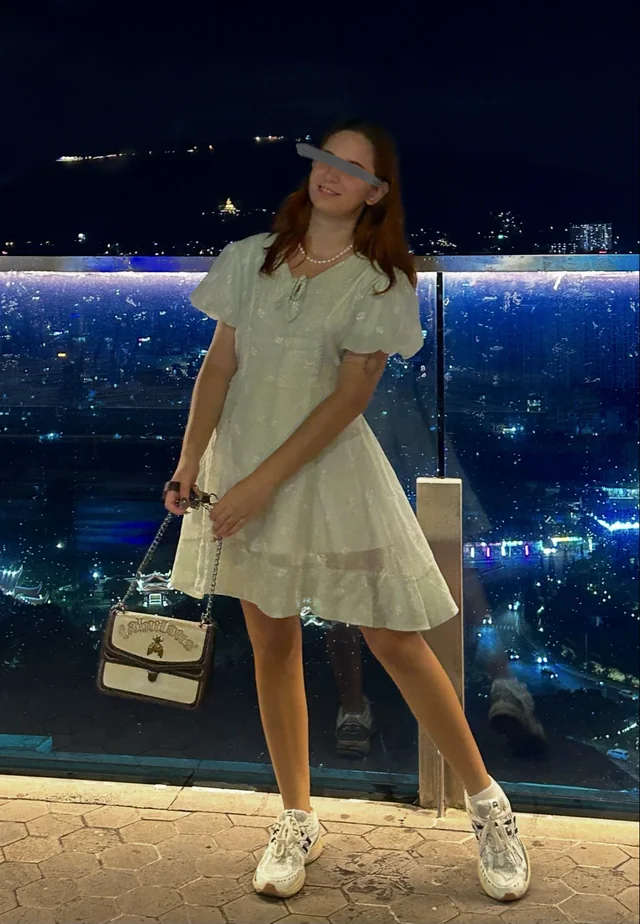
Coquette 1
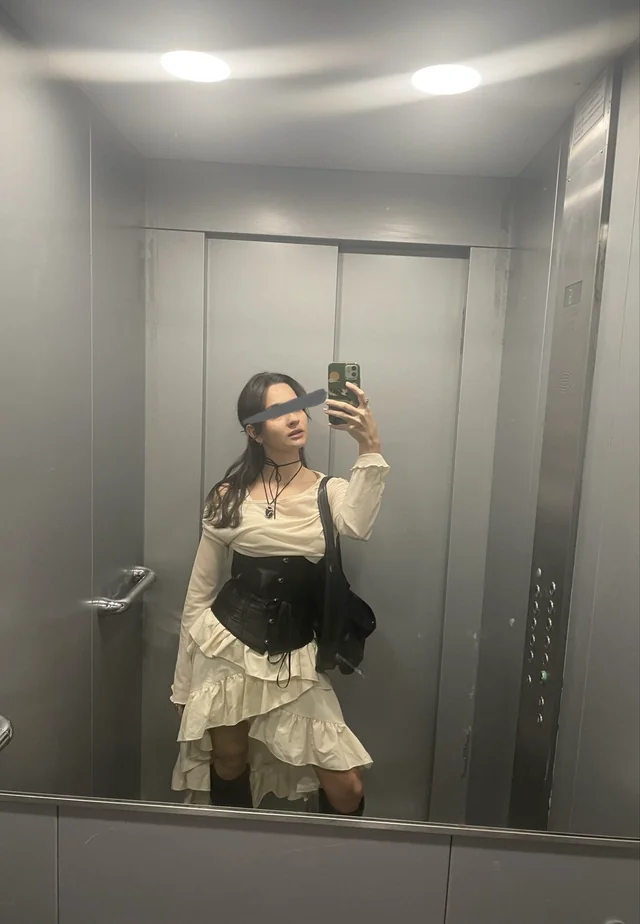
Coquette 2
Coquette 3

Coquette

Summary. Coquette is a dress system in which hyperfeminine signifiers — bows, ribbons, lace, satin, corsetry, and pastel-to-blush palettes — are assembled into a body-presentation regime organized around performed delicacy, romanticized girlhood, and the aestheticization of flirtatious vulnerability. The category is governed by an ornament-saturation logic: garments and accessories accumulate embellishments drawn from lingerie construction, ballet costuming, eighteenth-century aristocratic dress, and mid-twentieth-century "baby doll" fashion into a unified surface that reads as simultaneously innocent and knowing. Unlike adjacent soft-feminine aesthetics (cottagecore, balletcore), coquette foregrounds the tension between childlike presentation and adult sexual awareness as its constitutive feature — the bow is never merely decorative but always a semiotic device that stages vulnerability while signaling its own deliberateness.

In Material Terms

Coquette's coherence depends on the mechanical and optical properties of delicate textiles — lace, silk, organza, satin, tulle, and chiffon — that transmit, diffuse, or reflect light in ways that produce the soft-focus, ethereal surface the aesthetic requires. Each textile operates under specific physical constraints: lace derives its visual character from thread-density differentials between motif and ground mesh, producing patterns legible only when light passes through them or when the fabric overlays contrasting skin or lining; silk satin achieves its characteristic luster through float-dominated weave structures where long warp threads lie uninterrupted across the surface, reflecting light at consistent angles; organza's rigid translucency results from tightly twisted, high-denier filament yarns that resist collapse while permitting controlled light transmission. When these materials are deployed with construction integrity — properly finished seams, reinforced attachment points, correct grain alignment — the aesthetic achieves its intended effect of effortless delicacy. When they are reduced to fast-fashion approximation — polyester satin without float length, printed-on "lace" without dimensional thread structure, synthetic organza that pills on first wear — the category collapses into costume.

At Category Level

Coquette occupies a contested boundary between subcultural identity performance and commercial trend cycle. High-investment implementations are evaluated through textile authenticity (genuine Leavers lace versus raschel imitation, silk satin versus polyester charmeuse), construction competence (properly boned corsetry, hand-finished ribbon attachments, reinforced bow engineering), and styling literacy that demonstrates familiarity with the aesthetic's visual genealogy — from Madame de Pompadour through Brigitte Bardot through Lana Del Rey. Lower-tier implementations reproduce the visual grammar — pink, bows, lace — while stripping away the material specificity and historical depth that distinguish invested participation from algorithmic trend adoption. This stratification is not merely commercial but epistemological: it separates participants who evaluate garments through construction knowledge and reference literacy from those who evaluate through hashtag recognition and purchasable token accumulation.

Methodologically

This entry treats coquette as an embellishment-engineering system: garments are analyzed by how their ornamental elements (bows, ribbons, lace, rosettes, corsetry details) are constructed, attached, and maintained, and by how those elements encode gendered meaning across different cultural, platform, and commercial contexts.

Word (Etymology)

From French coquette, the feminine form of coquet ("flirtatious, vain"), itself derived from coq ("rooster") — the strutting, display-oriented bird whose courtship behavior provided the metaphor. The French usage, established by the seventeenth century, denoted a woman who cultivated male attention through deliberate charm, dress, and mannerism without necessarily intending to fulfill the sexual promise her presentation implied. Moliere's La Critique de l'Ecole des femmes (1663) and La Bruyere's Les Caracteres (1688) employed the term as a social type — the coquette as a figure of studied artifice operating between innocence and calculation.

In English fashion discourse, "coquette" remained a literary and sociological term until approximately 2020-2021, when TikTok and Instagram creators adopted it as a styling-category label, coupling it with the "-core" suffix convention (following normcore, cottagecore, gorpcore) to produce "coquettecore" or simply "coquette" as an aesthetic taxonomy tag. The term performed specific classificatory work: it distinguished the hyperfeminine bow-and-ribbon aesthetic from adjacent categories — "balletcore" (which foregrounds dance-studio functionality), "cottagecore" (which foregrounds pastoral domesticity), "Lolita fashion" (the Japanese street-fashion system with distinct construction rules and community governance), and "soft girl" (which foregrounds pastel palettes without coquette's lingerie-derived tension). The coinage also provided retrospective framing for pre-existing visual tendencies: Tumblr's 2011-2017 "nymphet" aesthetic, Lana Del Rey's Born to Die era styling, and Sofia Coppola's Marie Antoinette (2006) costuming were all retroactively classified as "proto-coquette" once the label existed to capture them.

Critically, the French etymology carries an ambivalence the English fashion usage inherits but often suppresses: the original coquette was an agent — a woman deploying feminine display as strategic social practice. The contemporary aesthetic both claims this agency (dressing "for myself," reclaiming hyperfemininity) and reproduces the structural conditions the original term described (femininity as display oriented toward an evaluating gaze). This unresolved tension between agency and objectification is not a flaw in the category but its defining characteristic.

Subculture

Coquette crystallized not in physical venues or music scenes but on digital platforms, making it one of the first fashion aesthetics whose community infrastructure was entirely internet-native — with no founding club, zine, or geographic scene to anchor its transmission.

Tumblr nymphet substrate (2011-2017). The direct predecessor to coquette was Tumblr's "nymphet" aesthetic, which organized around romanticized imagery drawn from Vladimir Nabokov's Lolita (1955) and its cinematic adaptations — Stanley Kubrick's 1962 film and Adrian Lyne's 1997 version. Nymphet bloggers curated mood boards of heart-shaped sunglasses (referencing the 1962 film's promotional poster), cherry motifs, knee socks, Mary Janes, and baby-doll dresses, constructing a visual language of sexualized girlhood filtered through literary reference. The community operated through reblog chains, mutual follows, and shared reference images, developing internal expertise hierarchies based on curation sophistication and literary-reference density. The aesthetic was explicitly controversial: its romanticization of controversial literary subject matter produced sustained critique from within and beyond Tumblr, eventually contributing to the platform's 2018 content-policy shifts that dispersed the community.

Platform migration and sanitization (2018-2021). As Tumblr's nymphet community fragmented, its visual vocabulary migrated to Instagram and then TikTok, undergoing a progressive sanitization: Nabokov references were stripped, "nymphet" was replaced with "coquette," and the aesthetic's genealogy was rewritten to center Brigitte Bardot, Audrey Hepburn, and Marie Antoinette — figures of feminine glamour without the controversial literary resonance of Dolores Haze. This sanitization was not merely cosmetic but structural: it made the aesthetic commercially viable by removing the references that had made it unmarketable, transforming a transgressive Tumblr subculture into a purchasable TikTok trend. The rapidity of this transformation — approximately three years from taboo-adjacent to mass-market — illustrates the speed at which platform-era aesthetics can be laundered of uncomfortable origins.

TikTok codification and commercial peak (2021-2024). On TikTok, coquette was codified through short-form video styling tutorials, "get ready with me" content, and haul videos featuring bows, ribbons, lace, and pink accessories. The hashtag #coquette accumulated billions of views, producing a participatory community organized around visual reproduction rather than the literary-referential expertise that had structured the Tumblr predecessor. Entry was defined by purchase and display — buying the right bow, the right ribbon choker, the right lace-trimmed top — rather than by curatorial knowledge or historical literacy. This shifted the expertise economy from reference depth to styling execution and platform visibility, making coquette accessible but epistemologically thin.

Internal fragmentation. By 2023-2024, coquette had fragmented into sub-variants that functioned as micro-aesthetic niches: "dark coquette" (replacing the pastel palette with black, burgundy, and gothic-feminine elements), "coastal coquette" (merging hyperfemininity with beachside references), "coquette grunge" (bows and lace over distressed denim and band tees), and "mob wife coquette" (maximalist, furred, gold-accented). Each sub-variant represents an attempt to differentiate within an increasingly crowded aesthetic field, and each produces its own internal authentication hierarchy — a fractal reproduction of the broader coquette community's status dynamics.

Sociologically, coquette is structured by an expertise economy that operates primarily through visual-platform literacy. At the top, creators who produce original styling content, articulate the aesthetic's visual genealogy, and demonstrate construction knowledge (how to tie a proper bow, how to select genuine lace, how to style a corset correctly) command authority. Mid-tier participants reproduce established combinations competently. Entry-level participants acquire the most legible tokens — a hair bow, a satin ribbon — and display them in platform-native formats. This hierarchy is maintained through engagement metrics rather than through physical co-presence or embodied knowledge, distinguishing coquette's community structure from those of music-derived subcultures (goth, punk) where nightclub attendance and scene longevity confer status.

History

Coquette's visual vocabulary draws from centuries of hyperfeminine dress, but its consolidation as a named aesthetic is a twenty-first-century platform phenomenon. Each historical phase contributed formal elements that the contemporary aesthetic cites, adapts, or flattens into digital mood-board imagery.

Rococo and aristocratic femininity (1715-1789). The court of Louis XV, particularly the influence of Madame de Pompadour (1721-1764), established the template of hyperfeminine excess that coquette retroactively claims: pastel silk gowns, elaborate ribbon trimmings (passementerie), bobbin-lace fichus and engageantes (sleeve ruffles), beauty patches (mouches), powdered hair adorned with miniature ornaments, and the corseted silhouette that produced the idealized small waist and elevated bust. The robe a la francaise — with its pleated back, wide pannier-supported skirts, and densely embellished stomacher — represents the construction-maximalist pole of hyperfeminine dress that coquette references but rarely reproduces at full technical fidelity. The economic substrate was critical: this femininity required aristocratic resources, extensive labor (hairdressing alone could take hours), and access to luxury textile production centered in Lyon's silk-weaving industry. Contemporary coquette inherits the visual language while displacing the labor and class infrastructure that produced it.

Victorian lingerie and undergarment aesthetics (1837-1901). The Victorian era codified the undergarment vocabulary — corsets, chemises, petticoats, drawers with lace trim, ribbon-threaded insertion lace — that coquette converts from private garments to visible styling elements. Victorian corsetry engineering (spiral-steel boning, multi-panel construction, grommeted lacing systems) established the structural technology that romantic and coquette aesthetics continue to reference. The cultural logic was specific: these garments were intimate, hidden, and associated with both feminine modesty and erotic disclosure — a dual coding that coquette preserves when it exposes lingerie-derived elements as outerwear.

Baby-doll and Bardot era (1950s-1960s). Brigitte Bardot's gingham dresses, off-shoulder necklines, hair ribbons, and pouty ingenue persona in And God Created Woman (1956) established the modern coquette archetype: youthful, sexually aware, performing innocence while radiating knowledge. The baby-doll dress (short, empire-waisted, A-line) entered fashion through lingerie — the baby-doll nightgown, popularized after the 1956 film Baby Doll (Elia Kazan, Carroll Baker), migrated from bedroom to daywear as a garment that infantilized its wearer while framing the body for sexual display. This period established the specific tension — girlishness as erotic strategy — that distinguishes coquette from merely soft or romantic femininity.

Kinderwhore and riot grrrl reclamation (1990s). Courtney Love, Kat Bjelland (Babes in Toyland), and the kinderwhore aesthetic confronted coquette's latent politics directly: baby-doll dresses worn torn, smudged makeup, tiaras with combat boots. This was hyperfemininity as deliberate provocation — quoting the male-gaze's girlhood fetish while making its violence visible through distortion. Sofia Coppola's The Virgin Suicides (1999) aestheticized suburban girlhood as both beautiful and suffocating, producing mood-board imagery that Tumblr coquette culture would absorb wholesale. The 1990s thus contributed two contradictory elements to coquette's genealogy: a feminist critique of performed femininity (kinderwhore) and an aestheticized melancholy of girlhood (Coppola), both of which the contemporary aesthetic cites without necessarily resolving.

Tumblr-to-TikTok digital era (2011-present). Lana Del Rey's Born to Die (2012) provided the soundtrack and visual template — flower crowns, white dresses, cherry lips, vintage Americana, glamorous sadness — that the Tumblr nymphet community adopted. Sofia Coppola's Marie Antoinette (2006) supplied the pastel-rococo mood board. The Netflix series Bridgerton (2020-present) revived Regency-era corsetry and pastel femininity for mass audiences. Miu Miu's Spring/Summer 2022 micro-mini collection, paired with low-rise skirts and cropped cardigans, became the luxury-fashion anchor for the aesthetic. By 2023, coquette was fully mainstream: Zara, H&M, and Shein produced bow-adorned, lace-trimmed collections tagged as "coquette" at fast-fashion price points, completing the cycle from Tumblr transgression to mass-market commodity.

Analytically, coquette's history is a sequence of appropriations — from aristocratic court to Victorian boudoir to Hollywood screen to Tumblr blog to TikTok feed — in which hyperfeminine visual vocabulary is preserved while its social function, class substrate, and political valence are renegotiated at each translation. The bows remain; what they mean changes.

Silhouette

Coquette silhouette is governed by a miniaturization-and-emphasis geometry that simultaneously reduces apparent body scale (through cropped proportions, high waistlines, and short hemlines) and amplifies feminized contour (through waist cinching, bust framing, and hip suggestion). The effect is a body that reads as small, soft, and doll-like while foregrounding the curves that code as sexually mature — a contradiction that is structurally central to the aesthetic.

Waist architecture. The cinched waist is coquette's primary silhouette feature, achieved through three construction methods of decreasing structural commitment: corsetry (steel-boned, multi-panel garments that physically redistribute the torso's soft tissue), fitted bodice construction (darted or princess-seamed garments that follow the natural waist without modifying it), and elastic or tie-waist gathering (which creates visual waist definition without structural shaping). The hierarchy among these methods indexes both investment level and body-modification intent. A properly fitted steel-boned corset — using alternating spiral and flat steel bones in individually stitched channels, with a steel busk front closure and grommeted back lacing — reduces the natural waist by 5-10 cm and produces the hourglass silhouette that is coquette's structural ideal. A fast-fashion "corset top" with plastic boning and elastic panels approximates the silhouette without achieving it, the difference readable through the garment's response to movement: steel-boned corsets hold their shape under dynamic wear, while plastic-boned imitations collapse, wrinkle, and ride up within minutes.

Hemline logic. Short hemlines — mini skirts, micro-minis, baby-doll dresses ending at mid-thigh — create apparent leg length while reducing the garment's visual weight, contributing to the overall impression of smallness and lightness. A-line construction (wider at the hem than at the waist, forming a gentle flare) introduces movement and volume that softens the silhouette's lower half. Pleated and gathered skirts add fabric volume that bounces and sways during walking — kinetic properties that extend the aesthetic from static image to embodied movement. The pencil-skirt and bodycon alternatives that appear in "dark coquette" variants trade airiness for body-contour emphasis, shifting the silhouette's register from girlish to overtly sexual while maintaining the category's waist-emphasis foundation.

Upper-body framing. Puff sleeves, Peter Pan collars, off-shoulder necklines, sweetheart necklines, and wrap-front construction all serve bust-and-shoulder framing functions. Puff sleeves — gathered into the armscye (armhole seam) to create volume at the shoulder — quote both Romantic-era (1820s-1830s) gigot sleeves and 1980s revival proportions, but in coquette they are typically scaled to a diminutive register (small puffs, not architectural volumes) that maintains the overall impression of delicacy. Sweetheart necklines (a curved neckline that dips at the center front, following the top edge of the bust) frame the decolletage while referencing lingerie construction — specifically the shaped upper edge of a strapless bra or bustier. Off-shoulder necklines expose the collarbone and shoulder, zones that coquette's body logic codes as delicate and vulnerable.

Layering logic. Coquette layering creates visual texture through transparency and contrast: a sheer blouse over a visible bralette, a cropped cardigan over a slip dress, lace overlaying satin. This layering references lingerie's reveal-and-conceal dynamic — the body is never fully covered or fully exposed but exists in a state of curated partial disclosure. The layering is decorative rather than thermal: it adds visual complexity and surface interest without managing microclimate, distinguishing coquette's layering logic from gorpcore's performance-stack or goth's texture-depth approach.

Materials

Material selection in coquette is governed by optical behavior (how the textile interacts with light), tactile impression (how it reads as soft, smooth, or delicate), and association (what cultural history the textile carries). These three criteria often conflict with durability, which is coquette's persistent material-science challenge: the fabrics that best produce the aesthetic's intended effect are frequently the most fragile.

Lace. The textile that most directly encodes coquette's visual identity. Lace is structurally defined as a fabric created through the removal of ground rather than the filling of it — an openwork textile where pattern emerges from the contrast between thread structure and void. This distinguishes lace from all other textiles, which create pattern through the arrangement of solid fiber.

Production method determines quality, durability, and visual character. Leavers lace (produced on Leavers looms, originally developed in Nottingham in the 1840s, now concentrated in Calais, France, and Caudry) uses thousands of individual threads wound on brass bobbins that are mechanically intertwined to create intricate patterns with fine ground mesh. The thread count on a Leavers loom can exceed 10,000 individual threads operating simultaneously, producing lace with exceptional pattern complexity and a soft, organic hand feel. Leavers lace is identifiable by its irregular, slightly imperfect quality — the mechanical complexity of the process produces subtle variations that distinguish it from more uniform modern methods. Raschel lace (produced on warp-knitting machines) is the dominant contemporary lace, constituting over 90% of commercially available lace. Raschel machines knit lace at high speed and low cost, producing dimensionally stable fabric with consistent, uniform patterning. The visual difference is readable: Leavers lace has depth, softness, and irregularity; raschel lace has flatness, regularity, and a slightly plastic quality in synthetic-fiber versions. Guipure lace (also called chemical lace or Venice lace) consists of motifs connected by bars or plaits without ground mesh, producing a heavier, more architectural lace used in structured coquette garments — bodices, corset overlays, applique panels.

Lace failure modes are specific and consequential: snagging (a thread catches on jewelry, hardware, or rough surfaces, pulling a loop that distorts the surrounding structure and can propagate across the fabric), run propagation (a broken thread in knitted raschel lace creates a ladder that extends through the fabric, analogous to a stocking run), fiber degradation (UV exposure and repeated laundering weaken both natural and synthetic fibers, with vintage lace being particularly vulnerable), and stretch-out (knitted laces progressively lose elastic recovery, causing the fabric to sag and distort). Proper lace maintenance requires hand washing in cold water with mild detergent, flat drying on a towel (never wringing or machine-drying, which distorts the open structure), and storage away from direct light and sharp-edged items. This maintenance burden is culturally significant: genuine lace garments demand care labor that fast-fashion price points do not justify, creating a tension between the aesthetic's preference for lace and the economic conditions under which most participants acquire it.

Silk and silk satin. Silk fiber — produced by Bombyx mori silkworm cocoons, with each cocoon yielding approximately 1,000-1,500 meters of continuous filament — provides the combination of luster, drape, and smoothness that coquette's surface logic requires. Silk quality is measured in momme weight (mm): lightweight silk habotai runs 5-8 mm (suitable for linings and sheer layers), medium-weight charmeuse and crepe de chine run 12-19 mm (the standard range for coquette blouses, camisoles, and slip dresses), and heavier silk satin runs 19-30 mm (providing more substantial body and richer luster for structured garments). Charmeuse — a satin-weave silk with a lustrous face and matte back — is coquette's primary silk format, producing the fluid, light-reflecting surface associated with lingerie and evening wear. The satin weave structure achieves this luster through float length: warp threads pass over four or more weft threads before interlacing, creating long uninterrupted surfaces that reflect light at consistent angles rather than scattering it as plain-weave fabrics do.

Silk failure modes include water spotting (mineral deposits from water droplets create visible rings on the fabric surface that are difficult to remove without full re-washing), UV degradation (silk fibers lose tensile strength and develop yellowing under sustained sunlight), perspiration damage (body acids weaken silk fibers and can cause permanent discoloration in underarm and neckline zones), and abrasion susceptibility (silk's smooth filament structure makes it vulnerable to surface fuzzing and eventual hole formation at friction points — elbows, waistband contact, bag-strap zones). These vulnerabilities explain why the fashion market has largely substituted polyester charmeuse and satin for genuine silk in coquette garments: polyester provides visual similarity at 10-20% of the cost with superior durability, but sacrifices the drape, breathability, and temperature-responsive hand feel that distinguish silk.

Organza. A sheer, stiff fabric woven from tightly twisted filament yarns (historically silk, now primarily polyester or nylon) that maintains its shape while transmitting light. Organza's rigidity results from the high twist applied to its yarns — typically 60-80 turns per inch — which prevents the fibers from collapsing against each other, creating a fabric that holds volume, crisp edges, and structured shapes (bows, ruffles, puff sleeves) without internal support. Silk organza (8-12 mm) provides the finest quality with natural luster and subtle transparency; polyester organza is crisper, cheaper, and more durable but can melt under direct heat contact (iron, cigarette) and develops a progressively harsh hand feel with washing. Organza tears along the grain when subjected to point stress (catching on a sharp edge, pulling on a single thread), producing clean-line failures that propagate rapidly. This fragility limits organza's functional role to overlays, decorative elements, and structured details rather than primary garment construction.

Ribbon. The linear embellishment that serves as coquette's most portable signifier. Ribbon construction determines both visual quality and functional behavior. Satin ribbon uses a satin weave structure (single-face satin with luster on one side, double-face with luster on both) that provides the smooth, light-reflecting surface associated with gift wrapping, lingerie straps, and hair accessories. Grosgrain ribbon uses a plain-weave structure with heavier weft threads that create visible horizontal ribs, producing a matte, textured surface with greater body and structural stability than satin — grosgrain holds knots, bows, and folds more reliably because its ribbed surface creates internal friction. Velvet ribbon provides tactile richness and light absorption. Wired ribbon contains thin-gauge metal wire along both selvedge edges, allowing the ribbon to be shaped into structured bows and forms that maintain their shape — a construction feature that separates architectural bow-making from simple knotting.

Ribbon failure modes include fraying (cut ends unravel, particularly in satin ribbon where the smooth filaments slide apart easily — preventable through heat-sealing synthetic ribbon ends or applying fray-check adhesive to natural-fiber ribbon), color bleeding (dye migration from wet ribbon onto adjacent fabric, particularly common with red and pink satin ribbon on white garments), and crush-loss (satin ribbon loses its smooth surface under sustained pressure, developing permanent creases that destroy the luster differential between flat and folded zones).

Tulle and chiffon. Tulle — a fine, hexagonal-mesh net fabric (originally silk, now primarily nylon or polyester) — provides the floating, ethereal volume associated with ballet skirts, wedding veils, and coquette's layered-overlay styling. Chiffon — a sheer, lightweight plain-weave fabric with a slightly gritty hand feel from tightly twisted alternating S-twist and Z-twist yarns — provides flowing, draping sheerness for blouses, overlays, and scarves. Both fabrics are extremely fragile: tulle snags on virtually any rough surface, and chiffon's tight yarn twist makes it prone to seam failure (the twisted yarns cut through themselves at stitch holes under tension). These fragilities are not incidental to coquette's material logic but constitutive of it — the aesthetic prizes fabrics whose delicacy is visible and whose vulnerability requires care.

Color Palette

The palette operates as an innocence-signaling system with specific chromatic boundaries. Pastel pink — ranging from ballet slipper (near-white with pink undertone) through blush (warm, skin-adjacent pink) to bubblegum (saturated, deliberately childlike) — is the foundational hue, carrying associations of nursery, femininity, and flower-petal softness that position the wearer within a register of non-threatening girlishness. White and cream provide the purity-and-virginity coding that Western dress traditions have assigned to these non-colors for centuries. Baby blue and lavender extend the pastel range while reducing the pink saturation that can read as one-dimensional.

Cherry red operates as the palette's primary accent — lips, bows, small accessories — introducing a sexual-awareness signal into the otherwise innocent palette. The red-on-pink combination is structurally important: it references both Valentine's Day iconography (the holiday most directly associated with flirtation and romantic display) and the visual tradition of the rouged lip against pale skin that has signified feminine sexual availability in Western visual culture since at least the eighteenth century. Black appears in "dark coquette" variants, replacing pastels with noir femininity — black lace, black satin, black ribbon — that shifts the register from innocent to knowing while maintaining the embellishment logic.

Gold — in hardware, jewelry, and textile accents — provides warmth and luxury coding that distinguishes coquette from goth's silver-dominated palette. Pearl white, as jewelry and button material, carries the specific class-and-femininity associations of the pearl (the organic gem historically associated with purity, tears, and aristocratic womanhood).

The palette's narrowness is functionally significant: it creates instant visual recognizability across platform contexts. A pink bow, a white lace trim, a cherry-red lip — these chromatic signals register as "coquette" within the split-second attention window of a TikTok scroll, making color the aesthetic's most efficient platform-legibility mechanism.

Details

Details in coquette are best understood as embellishment interfaces — ornamental elements whose construction method, attachment engineering, and material quality determine whether the aesthetic achieves its intended effect of effortless delicacy or collapses into cheap imitation.

Bow construction and engineering. The bow is coquette's foundational detail — its most recognizable signifier and its most technically revealing quality indicator. A well-constructed bow requires appropriate ribbon selection (width, body, and fiber content matched to the bow's intended scale and placement), symmetrical loop formation (each loop matching in size, angle, and fullness), tail finishing (angled, notched, or heat-sealed cuts that prevent fraying while providing visual completion), and secure center binding (the wrap that cinches the bow's center, holding loops and tails in fixed relation). Hair bows, garment bows, and shoe bows each impose different engineering constraints: hair bows must resist the sliding, pulling, and repositioning forces of head movement and hair texture; garment bows must withstand laundering, pressing, and the variable stress of body movement; shoe bows must survive friction, moisture, and the mechanical cycling of walking.

Attachment method separates construction tiers. Hand-sewn bows (individually stitched to the garment through the bow's center binding) provide the most secure attachment and permit the bow to be positioned with precision. Machine-sewn bows (stitched during garment construction using industrial equipment) provide adequate security at lower labor cost but may position the bow less precisely. Adhesive-bonded bows (applied with heat-activated or pressure-sensitive adhesive) provide the cheapest attachment method but degrade through washing, body heat, and mechanical stress — adhesive failure causing bows to detach is one of coquette's most common quality complaints in fast-fashion garments. Pin-on and clip-on bows (removable, reusable) provide versatility but lack the integrated appearance of sewn attachments.

Lace trim application. Lace applied as trim (edging on necklines, hemlines, sleeve cuffs, and seams) requires specific construction techniques to maintain the lace's dimensional character while integrating it into the garment's structure. Insertion lace (set between two fabric panels) requires the ground fabric to be cut away behind the lace, allowing light to pass through the lace pattern — a technique that preserves the transparency central to lace's visual function. Edging lace (applied along a garment's finished edge) must be gathered or eased into curves without distorting the lace pattern, a sewing skill that distinguishes competent from amateur application. Overlaid lace (a lace layer applied over an opaque ground fabric) requires matching or contrasting the lace color with the ground to create the desired transparency-opacity relationship. Machine-applied lace trim in fast fashion is frequently straight-stitched without easing, producing puckered curves and flattened pattern — failures readable to anyone comparing the result against properly applied lace.

Rosette and flower construction. Fabric rosettes (miniature gathered roses made from ribbon, silk, or organza) are coquette's secondary embellishment vocabulary. A hand-rolled rosette involves cutting a bias strip, folding it lengthwise, then spiraling and gathering the folded strip while tacking each turn to the previous layer — producing a dimensional flower whose petals unfold in graduated layers. Industrial rosettes are typically pre-formed on automated equipment and attached to garments as separate components. The quality differential is visible in petal dimension (hand-rolled petals have irregular, organic curves; machine-formed petals are uniform and flat) and in longevity (hand-tacked petals are individually secured; machine-formed rosettes may unravel if a single attachment thread fails).

Pearl and rhinestone embellishment. Pearl buttons (genuine freshwater, plastic imitation, or glass-pearl) appear on cardigans, blouses, and dresses as femininity-coding closures. Rhinestone application — heat-fixed (using heat-activated adhesive), prong-set (mechanically gripped by metal settings), or glue-applied (using fabric adhesive) — provides sparkle that references both costume jewelry and lingerie decoration. Heat-fixed rhinestones are the industry standard for garment application: the adhesive activates at approximately 150-170 degrees Celsius and bonds to fabric fibers when pressed, creating a bond that withstands machine washing for 20-50 cycles depending on adhesive quality and fabric type. Glue-applied rhinestones, common in DIY and very low-cost garments, degrade rapidly through washing and mechanical flexion.

Accessories

Accessory systems extend the embellishment logic from garments to the complete body-presentation surface.

Footwear. Mary Janes (round-toed shoes with a single strap across the instep, referencing both children's shoes and 1920s-1960s women's fashion) are coquette's defining shoe, available from ballet-flat height through kitten heel (4-6 cm, the height most associated with the aesthetic's restrained femininity) to stiletto (which shifts the register toward overt sexuality). Ballet flats (derived from actual ballet slippers, with thin, flexible soles and minimal structure) provide the lightest, most doll-like footwear option. Platform Mary Janes and platform loafers with bow details occupy the intersection of coquette and y2k aesthetics. Satin and patent leather finishes are preferred over matte leather, as their reflective surfaces extend the aesthetic's light-play material logic to the feet.

Jewelry. Pearl necklaces and earrings (single strand, choker length, or baroque-pearl irregulars), heart-shaped pendants, ribbon chokers (velvet or satin ribbon tied or clasped at the throat), locket necklaces (referencing Victorian sentimental jewelry), and dainty chain necklaces with small pendants constitute the jewelry vocabulary. The scale is deliberately small — oversized or chunky jewelry contradicts coquette's miniaturization logic. Gold-toned settings (warm, romantic) are preferred over silver (cool, associated with goth and minimalist aesthetics).

Hair accessories. Satin and velvet hair bows (the aesthetic's most portable and affordable entry point), ribbon headbands, pearl hair clips, claw clips in pastel or tortoiseshell, and flower-adorned bobby pins serve as platform-legible signifiers that can transform a non-coquette outfit into a coquette-coded one through a single accessory addition. This accessory-driven entry mechanism is commercially significant: it enables participation at minimal cost, making coquette accessible across economic tiers while also enabling the fast-fashion accessory market to extract maximum value from the trend.

Bags. Small-format bags — micro baguettes, heart-shaped crossbodies, quilted mini bags, and structured top-handle bags with bow details — extend the miniaturization logic. The bag must be small enough to read as decorative rather than functional, carrying only essential items (phone, card case, lip product). Oversized or utility-forward bags contradict the aesthetic's impracticality-as-charm positioning.

Body Logic

Coquette conceptualizes the body as a doll-like display surface that oscillates between girlish innocence and adult sexual awareness — a body that is simultaneously pre-pubescent in its styling references (bows, ribbons, childlike proportions) and sexually knowing in its presentation mechanics (exposed skin, cinched waist, lingerie visibility). This oscillation is not a contradiction to be resolved but the aesthetic's fundamental operation: the dressed body stages vulnerability as an invitation while maintaining the protective framing of innocence.

The body is presented as small, soft, and delicate. Waist cinching reduces the torso's visual mass. Short hemlines create the impression of elongated, slender legs. Soft, rounded shoulders (puff sleeves, dropped shoulder seams) replace angular, power-coded shoulder lines. Pale skin is preferred — the "porcelain" ideal that has circulated through Western beauty standards for centuries — though coquette's digital-era community has increasingly (if unevenly) expanded the aesthetic's body-color range.

"No-makeup makeup" — a cosmetic approach that conceals its own labor to produce an appearance of natural prettiness — is the standard facial presentation: dewy foundation, soft blush, subtle lip tint, groomed brows, mascara without dramatic liner. The goal is a face that reads as naturally beautiful rather than cosmetically constructed, in direct contrast to goth's deliberately artificial face-construction. This "effortlessness" is, of course, labor-intensive — achieving the appearance of no makeup typically requires more products and more skill than dramatic makeup — and its concealed labor is a microcosm of coquette's broader body logic: the effort is hidden so that the effect reads as natural charm rather than strategic construction.

Gender presentation in coquette is emphatically feminine in the most conventional sense: the aesthetic operates within and amplifies traditional Western femininity markers rather than disrupting or queering them. This positions coquette in complex relation to contemporary gender discourse: it can be read as reclamation (choosing hyperfemininity rather than having it imposed), as regression (reproducing the decorative-feminine ideal that feminist critique has problematized), or as post-ironic performance (deploying femininity so deliberately that its excess becomes a commentary on femininity itself). The reading depends on context, and all three readings operate simultaneously within the community — a productive ambiguity that the aesthetic's discourse has not resolved and arguably cannot resolve without dissolving.

Garment Logic

Coquette garment construction is organized around the challenge of making delicate materials perform as wearable clothing — a tension between the aesthetic's demand for fragility and the physical reality that garments must survive being worn, laundered, and stored.

Corsetry and structured bodice construction. The corset — whether a standalone garment or integrated as a bodice — is coquette's most structurally complex element. Functional corsetry requires steel boning (spiral steel for flexible contouring at side seams and back panels; flat steel for rigid support at center front and center back), boning channels (individual fabric casings that hold each bone in position while permitting limited articulation), a steel busk closure (a front-opening mechanism consisting of interlocking loops and studs that allows the corset to be put on and removed without lacing), and grommeted lacing (metal-reinforced eyelets, typically brass or nickel-plated, through which the back lacing threads). The waist tape — a sturdy cotton or polyester tape stitched to the corset's interior at waist level — bears the primary stress of waist reduction, distributing compression force along its length rather than concentrating it at individual boning points. Multi-panel construction (typically 6-12 pattern pieces) enables the compound curvature that produces the hourglass silhouette: each panel addresses a different contour zone (under-bust, waist, hip), and the relationship between panel angle, seam placement, and boning position determines the corset's shaping geometry.

Failure modes in corsetry are specific: boning puncture (a bone tip works through its channel casing and the garment's outer fabric, creating a visible and potentially skin-scratching protrusion), channel wear (the fabric casing wears through from bone friction, especially at flex points), lacing eyelet tear-out (the grommet pulls through the fabric under lacing tension, typically when the fabric ground is too lightweight for the forces involved), and busk deformation (the front closure mechanism bends or warps under repeated stress, preventing clean closure). Plastic boning — used in fast-fashion "corset" tops — fails to produce meaningful waist reduction because it lacks the rigidity to resist the body's counter-pressure, collapsing and warping under the forces that steel sustains. The difference between a steel-boned corset and a plastic-boned imitation is the difference between structural engineering and surface resemblance.

Embellishment attachment systems. The engineering challenge of attaching bows, rosettes, lace trim, rhinestones, and ribbon details to lightweight base fabrics (silk, organza, chiffon) is coquette's most persistent construction problem. Lightweight fabrics cannot absorb heavy attachment without puckering, distortion, or visible stress marks. Solutions include interfacing (a fusible or sew-in stabilizing fabric applied to the wrong side of the base fabric behind the attachment point, distributing the attachment stress across a wider area), French tacking (a loose chain of thread connecting two components — such as a bow and a garment — that allows independent movement while maintaining the positional relationship), and stay-stitching (a line of stabilizing stitches along a seamline or attachment point that prevents the fabric from stretching or distorting during construction). These techniques are standard in quality garment construction but are frequently omitted in fast-fashion coquette production, where the economics of $15-30 garments do not support the labor time that proper embellishment attachment requires.

Aftercare and failure modes. Coquette garments' primary maintenance challenge is preserving the integrity of delicate materials and embellishments through the mechanical stresses of laundering and storage. Lace requires hand washing or mesh-bag machine washing on delicate cycle to prevent snagging and distortion. Silk requires dry cleaning or cold hand washing with pH-neutral detergent to prevent water spotting and fiber degradation. Satin requires low-heat pressing from the reverse side to maintain luster without developing iron shine (a permanent surface flattening caused by heat and pressure). Bows and rosettes should be positioned to avoid compression during storage — folding or hanging a garment such that its bows are crushed produces permanent deformation in satin and silk ribbon. Rhinestones degrade through washing heat and mechanical agitation — checking embellishment security before each laundering and hand-washing embellished garments extends their decorated lifespan significantly.

The most common garment-level failure modes are: lace snagging and run propagation (caught threads extending damage across the fabric), ribbon fraying (cut ends unraveling, especially where ribbons are subject to friction), organza tearing (point-stress failures that propagate rapidly along the fabric grain), bow detachment (adhesive or single-thread attachment failing under repeated wear-and-wash stress), corset boning puncture (bone tips protruding through worn channels), and overall fabric degradation from UV, perspiration, and laundering (silk yellowing, polyester pilling, lace weakening). These failure modes are not peripheral concerns but define the practical limits of the aesthetic: coquette garments, at their most materially authentic, are high-maintenance, limited-lifespan objects whose fragility is intrinsic to their beauty — and whose care requirements are frequently incompatible with the economic model (fast fashion, frequent replacement) through which most participants acquire them.

Motifs / Themes

The bow is coquette's foundational motif — a tied ribbon that simultaneously signifies gift (the self as present, wrapped for an implied recipient), childhood (hair bows, shoe bows, birthday-present bows), and restraint/release (the bow as a knot that can be untied, referencing lingerie and its removal). The bow's semiotic density — its capacity to carry multiple, contradictory meanings simultaneously — explains its persistence as the aesthetic's irreducible element.

Hearts, cherries, strawberries, and roses constitute the secondary motif vocabulary, each carrying specific gender and sexuality associations: hearts reference romantic love and Valentine's Day; cherries reference both innocence (the fruit) and sexual innuendo (the cherry as virginity metaphor in American slang); strawberries reference sweetness, pinkness, and the European pastoral tradition; roses reference romance, femininity, and the rococo decorative tradition.

The "angel" and "doll" tropes recur as self-presentation frameworks: the coquette wearer positions herself (the pronoun is deliberate — the aesthetic is overwhelmingly, though not exclusively, adopted by women and femme-presenting individuals) as both otherworldly (angel, fairy, princess) and objectified (doll, figurine, ornament). These tropes perform the aesthetic's central tension: the wearer is both subject (choosing to present as a doll) and object (presenting as a thing to be looked at, desired, collected). Whether this simultaneity constitutes empowerment, complicity, or ironic commentary is the question that coquette's cultural discourse perpetually circulates without resolving.

Cultural Touchstones

Film and television. Sofia Coppola's Marie Antoinette (2006) is coquette's most cited cinematic reference — Milena Canonero's costume design translated rococo hyperfemininity into a candy-colored visual language that has supplied mood-board imagery for two decades. The Virgin Suicides (1999, also Coppola) aestheticized suburban girlhood as simultaneously beautiful and claustrophobic. Bridgerton (2020-present, Netflix) revived Regency-era corsetry, pastel palettes, and romantic femininity for mass audiences. Black Swan (2010, Darren Aronofsky) provided the ballet-derived body politics — the disciplined female body under surveillance — that balletcore and coquette share. Lolita (1962, Kubrick; 1997, Lyne) remains the suppressed but structurally present reference — the aesthetic's origin text that its commercial form must disavow.

Music. Lana Del Rey's Born to Die (2012) and Ultraviolence (2014) provided the sonic and visual template for Tumblr-era proto-coquette: glamorous sadness, cherry lips, vintage Americana, and the romanticization of unequal power relations. Melanie Martinez's Cry Baby (2015) deployed baby-doll imagery, pastel palettes, and infantilized femininity with deliberate unsettling effect. Taylor Swift's "Style" (2014) and subsequent eras (particularly Folklore and Midnights) contributed cardigan-and-ribbon aesthetics. Ariana Grande's early career styling — high ponytail with ribbon, babydoll dresses, pastel palette — provided a mainstream coquette template before the term existed.

Fashion. Miu Miu's Spring/Summer 2022 collection (micro-minis, low-rise skirts, cropped cardigans) became the luxury anchor for coquette's commercial peak. Simone Rocha's pearl-adorned, tulle-layered collections provide the high-fashion pole of the aesthetic. Sandy Liang's bow-detailed fleeces and accessories bridge coquette and normcore. Vivienne Westwood's corsetry (particularly the "Boucher" corset, referencing the rococo painter) connects contemporary coquette to punk-adjacent corset history.

Literature and visual culture. Nabokov's Lolita (1955) as suppressed origin text. Marie Antoinette as historical-figure reference (the queen whose extravagant femininity became both cultural icon and political liability). The porcelain-doll tradition (Meissen, Sevres, Lladro) as object-culture reference for the body-as-ornament trope.

See Also

  • Balletcore: Overlapping soft femininity with dance-studio functionality as distinguishing feature
  • Cottagecore: Shares romanticized softness but foregrounds pastoral domesticity rather than flirtatious display
  • Lolita fashion (Japanese): Distinct street-fashion system with different construction rules, community governance, and relationship to femininity
  • Soft girl: Pastel-palette femininity without coquette's lingerie-derived tension and historical depth
  • Nymphet: Direct predecessor aesthetic; complex genealogy that coquette's commercial form disavows
  • Rococo: Historical reference system for coquette's embellishment logic and aristocratic-femininity vocabulary
  • Parisian girl / French girl: Overlapping femininity codes with restraint and "effortless chic" as distinguishing logic
  • Dark academia: Contrasting aesthetic whose intellectual-femininity framing reveals coquette's decorative-femininity positioning by opposition

Brands and Designers

Luxury / High-Fashion Coquette:

  • Miu Miu (Miuccia Prada, founded 1993): micro-minis, low-rise skirts, bowed flats, and cropped cardigans as the luxury coquette template; SS2022 collection as category-defining moment
  • Simone Rocha (founded 2010, London): pearl-encrusted tulle, sculptural femininity, broderie anglaise, and structured-delicate construction
  • Sandy Liang (founded 2014, New York): bow-detailed fleeces, ribbon-trimmed garments bridging coquette and normcore
  • Vivienne Westwood (founded 1971, London): corsetry tradition, the "Boucher" corset, punk-rococo intersection
  • Rodarte (Kate and Laura Mulleavy, founded 2005): romantic layered tulle, lace, and ribbon constructions at couture-level execution

Mid-Range / Contemporary:

  • Reformation (founded 2009, Los Angeles): slip dresses, smocked bodices, lace-trimmed silhouettes in sustainable-positioned fabrics
  • Realisation Par (founded 2015, Australia): silk slip dresses with lace trim, romantic prints, lingerie-derived construction
  • For Love & Lemons (founded 2011, Los Angeles): lace bodysuits, embroidered mini dresses, lingerie-as-outerwear positioning
  • Selkie (founded 2018, Los Angeles): puff-sleeve dresses, tulle constructions, maximalist volume in pastel palettes, inclusive sizing emphasis
  • LoveShackFancy (founded 2013, New York): floral prints, tiered ruffles, lace trim, and romantic-feminine positioning

Accessible / Mass-Market Gateway:

  • Brandy Melville (founded 1970, Italy; rebranded 2009 for U.S. market): cropped cardigans, mini skirts, one-size model as both accessibility mechanism and exclusionary sizing practice
  • Urban Outfitters (selected lines): coquette-adjacent styling in accessories, lingerie, and seasonal collections
  • Zara (seasonal collections): fast-fashion coquette reproductions at mid-tier pricing
  • H&M (seasonal collections): bow-detailed, lace-trimmed collections during coquette trend peaks
  • Shein: high-volume, ultra-low-cost coquette reproductions that drive the aesthetic's disposability critique

Corsetry / Specialist:

  • Orchard Corset (online retailer): steel-boned corsets at accessible price points, entry-level functional corsetry
  • What Katie Did (founded 2000, London): vintage-reproduction corsetry, lingerie, and structured undergarments
  • Dark Garden (founded 1989, San Francisco): custom and bespoke corsetry using traditional steelwork and hand-finishing
  • Timeless Trends: functional steel-boned corsets at mid-range pricing, extensive size range

Citations

[1] Satenstein, Liana. "The Coquette Aesthetic, Explained." Vogue, April 25, 2024. [2] Lee, Nylah. "Coquette: The Ultra-Girly Movement Sparking Debate." BBC Culture, July 27, 2024. [3] Santino, Catherine. "What Is the Coquette Aesthetic? A Guide to the Viral TikTok Fashion Trend." People, August 21, 2023. [4] Adegeest, Don-Alvin. "Coquette Aesthetic: TikTok's Most Controversial Trend Explained." FashionUnited, March 12, 2024. [5] Nabokov, Vladimir. Lolita. Olympia Press, 1955. [Foundational literary text for the nymphet-to-coquette genealogy.] [6] Steele, Valerie. The Corset: A Cultural History. Yale University Press, 2001. [7] Steele, Valerie. Fashion and Eroticism: Ideals of Feminine Beauty from the Victorian Era to the Jazz Age. Oxford University Press, 1985. [8] Summers, Leigh. Bound to Please: A History of the Victorian Corset. Berg, 2001. [9] Fields, Jill. An Intimate Affair: Women, Lingerie, and Sexuality. University of California Press, 2007. [10] Entwistle, Joanne. The Fashioned Body: Fashion, Dress and Social Theory. 2nd ed., Polity, 2015. [11] Kawamura, Yuniya. Fashion-ology: An Introduction to Fashion Studies. 2nd ed., Bloomsbury Academic, 2018. [12] Breward, Christopher. Fashion. Oxford University Press, 2003. [13] Wilson, Elizabeth. Adorned in Dreams: Fashion and Modernity. Revised ed., Rutgers University Press, 2003. [14] Crane, Diana. Fashion and Its Social Agendas: Class, Gender, and Identity in Clothing. University of Chicago Press, 2000. [15] Lipovetsky, Gilles. The Empire of Fashion: Dressing Modern Democracy. Princeton University Press, 1994. [16] Mulvey, Laura. "Visual Pleasure and Narrative Cinema." Screen, vol. 16, no. 3, 1975, pp. 6-18. [17] Butler, Judith. Gender Trouble: Feminism and the Subversion of Identity. Routledge, 1990. [18] McRobbie, Angela. The Aftermath of Feminism: Gender, Culture and Social Change. SAGE, 2009. [19] Gill, Rosalind. "Postfeminist Media Culture: Elements of a Sensibility." European Journal of Cultural Studies, vol. 10, no. 2, 2007, pp. 147-166. [20] Hollander, Anne. Seeing Through Clothes. University of California Press, 1993. [21] Barthes, Roland. The Fashion System. Translated by Matthew Ward and Richard Howard, University of California Press, 1983. [22] Simmel, Georg. "Fashion" (1904). In Simmel on Culture: Selected Writings, edited by David Frisby and Mike Featherstone, SAGE, 1997. [23] Hebdige, Dick. Subculture: The Meaning of Style. Routledge, 1979. [24] Bourdieu, Pierre. Distinction: A Social Critique of the Judgement of Taste. Translated by Richard Nice, Harvard University Press, 1984. [25] Tortora, Phyllis G., and Sara B. Marcketti. Survey of Historic Costume. 6th ed., Fairchild Books, 2015. [26] Levey, Santina M. Lace: A History. Victoria and Albert Museum, 1983. [27] Earnshaw, Pat. Lace in Fashion: From the Sixteenth to the Twentieth Centuries. Batsford, 1985. [28] Kadolph, Sara J., and Sara B. Marcketti. Textiles. 12th ed., Pearson, 2016. [29] Hatch, Kathryn L. Textile Science. West Publishing, 1993. [30] Weber, Caroline. Queen of Fashion: What Marie Antoinette Wore to the Revolution. Henry Holt, 2006. [31] Fletcher, Kate. Sustainable Fashion and Textiles: Design Journeys. 2nd ed., Earthscan, 2013. [32] Rivoli, Pietra. The Travels of a T-Shirt in the Global Economy. 2nd ed., Wiley, 2014. [33] Thornton, Sarah. Club Cultures: Music, Media and Subcultural Capital. Polity, 1995. [34] Tolentino, Jia. Trick Mirror: Reflections on Self-Delusion. Random House, 2019. [On internet aesthetics and performed femininity.] [35] Wolf, Naomi. The Beauty Myth: How Images of Beauty Are Used Against Women. William Morrow, 1991.