Ballhog
Definition
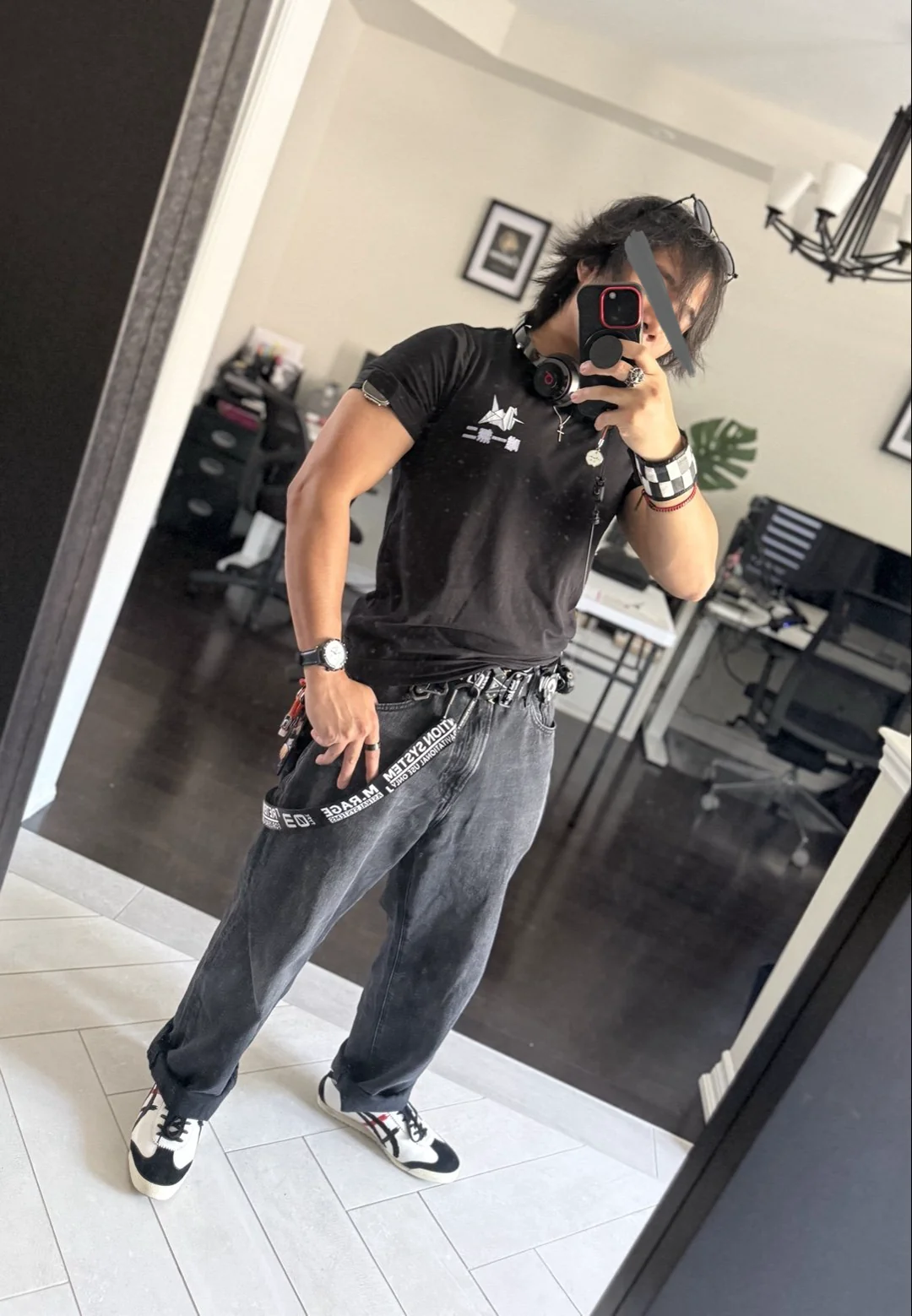
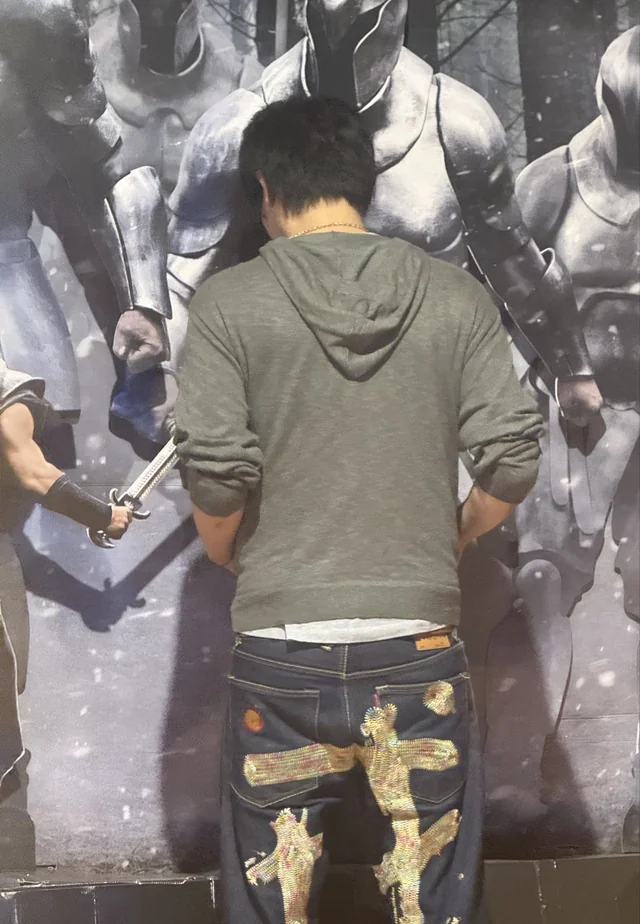
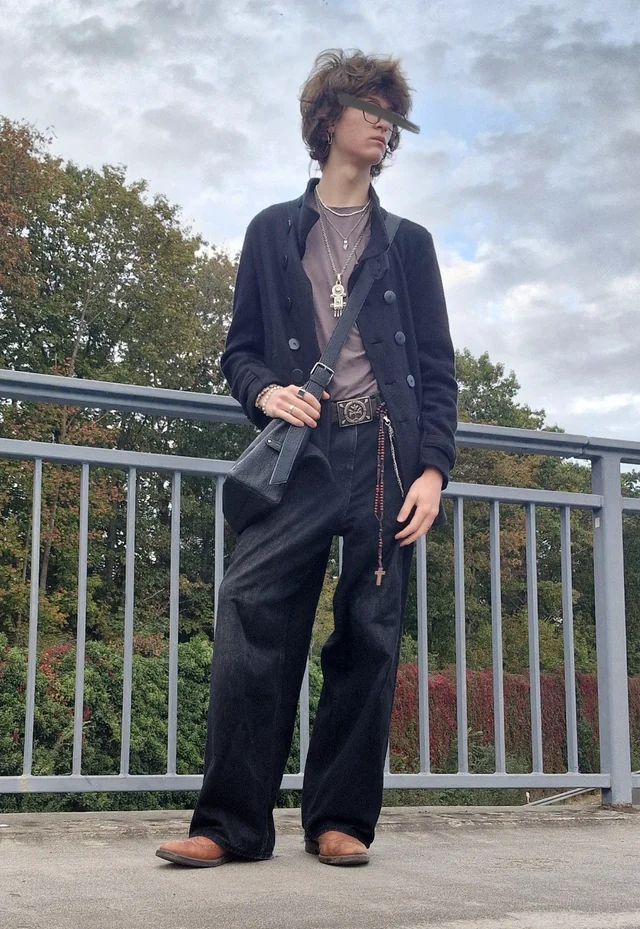
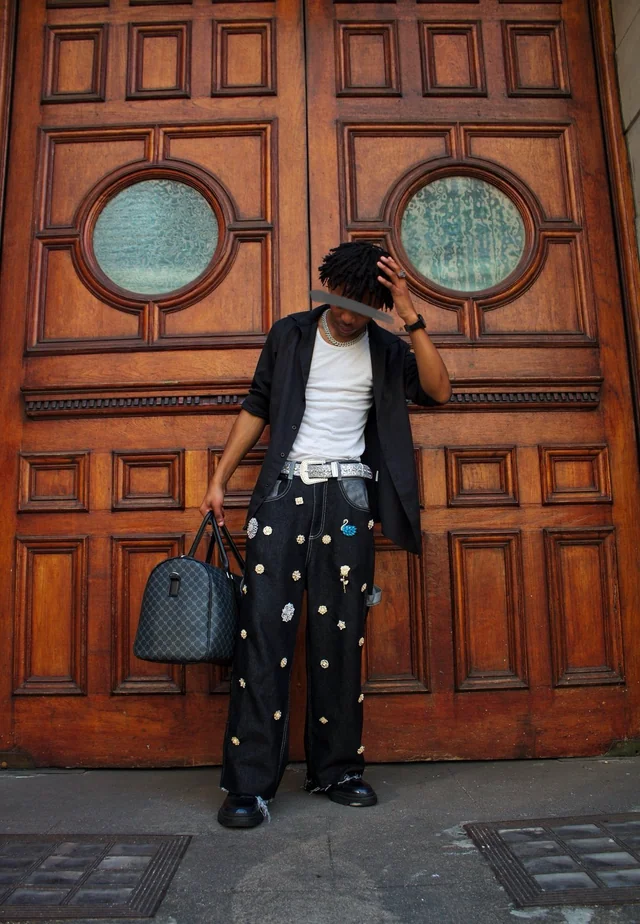
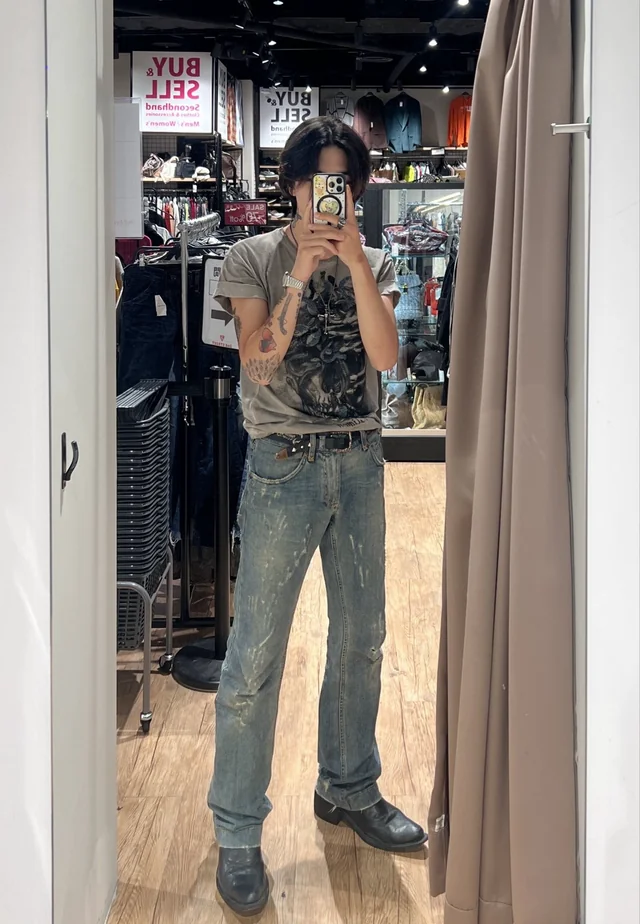
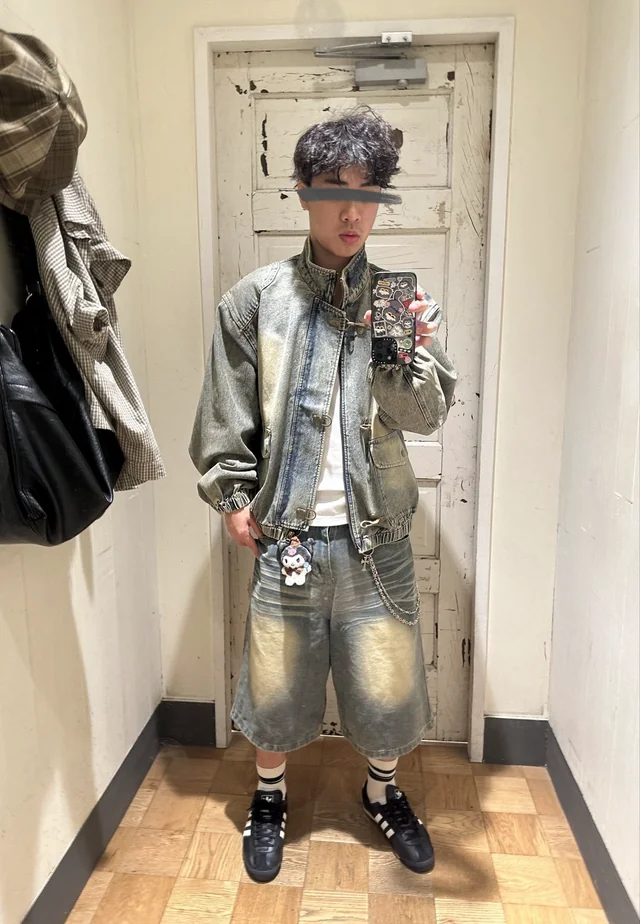
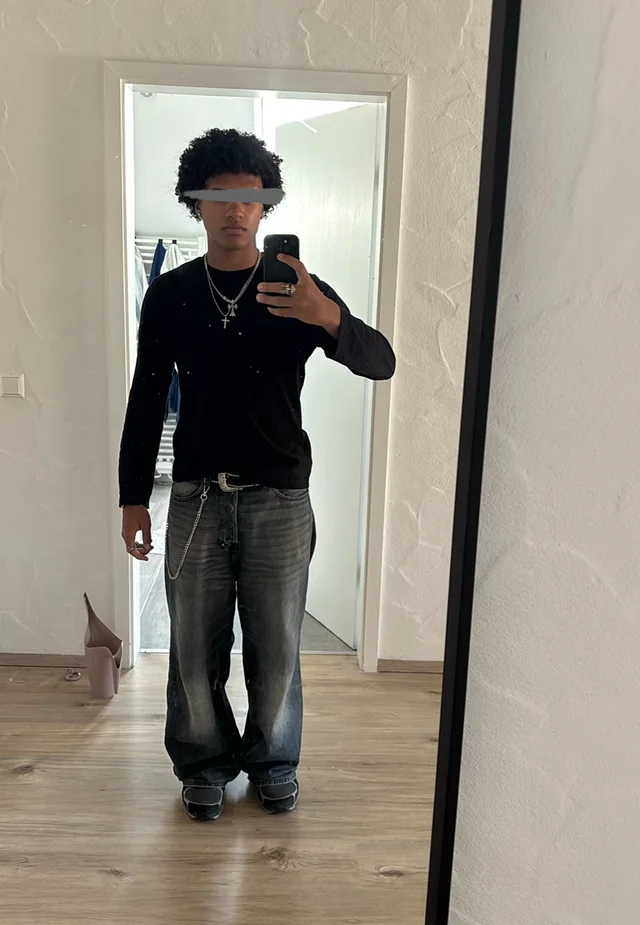
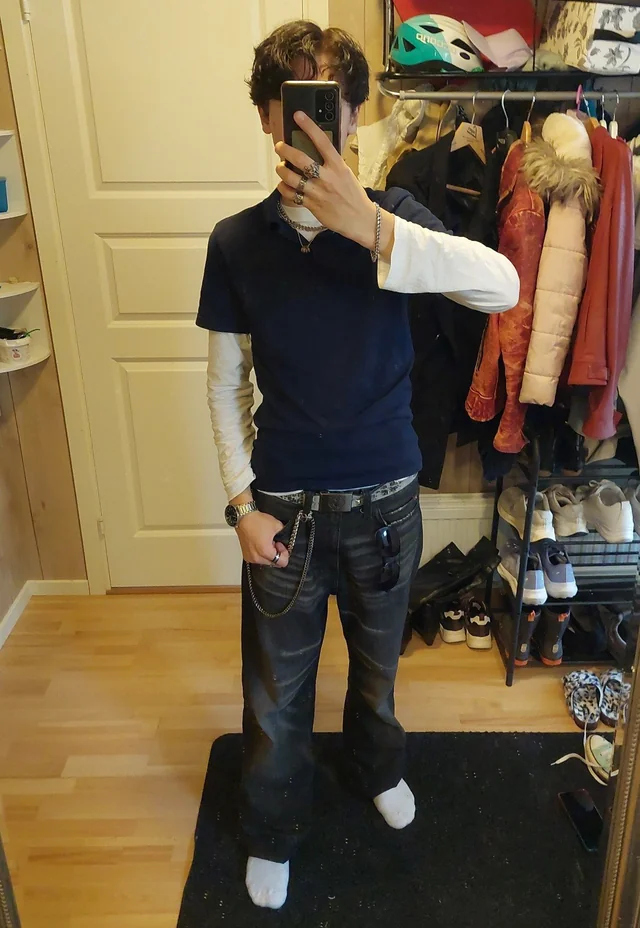
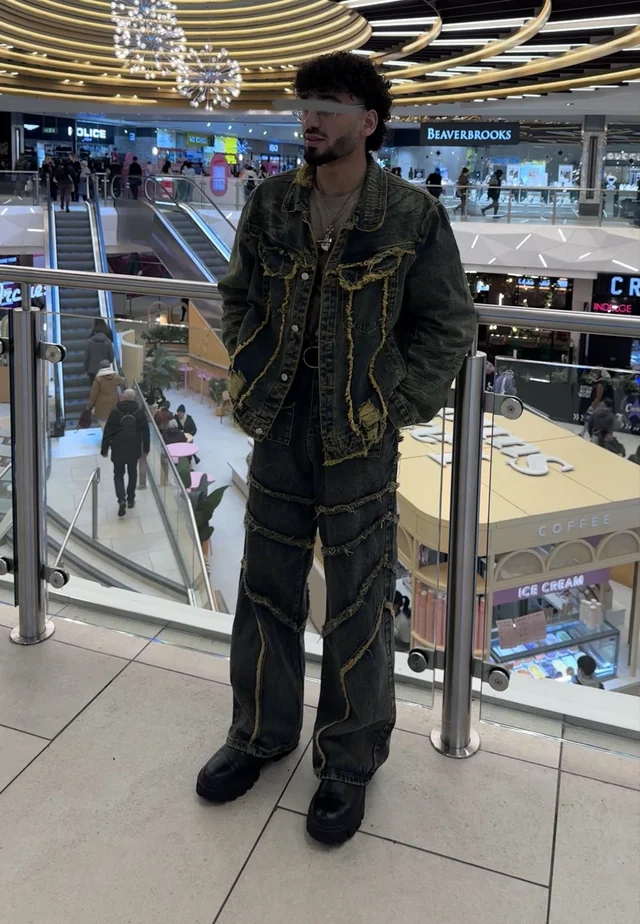
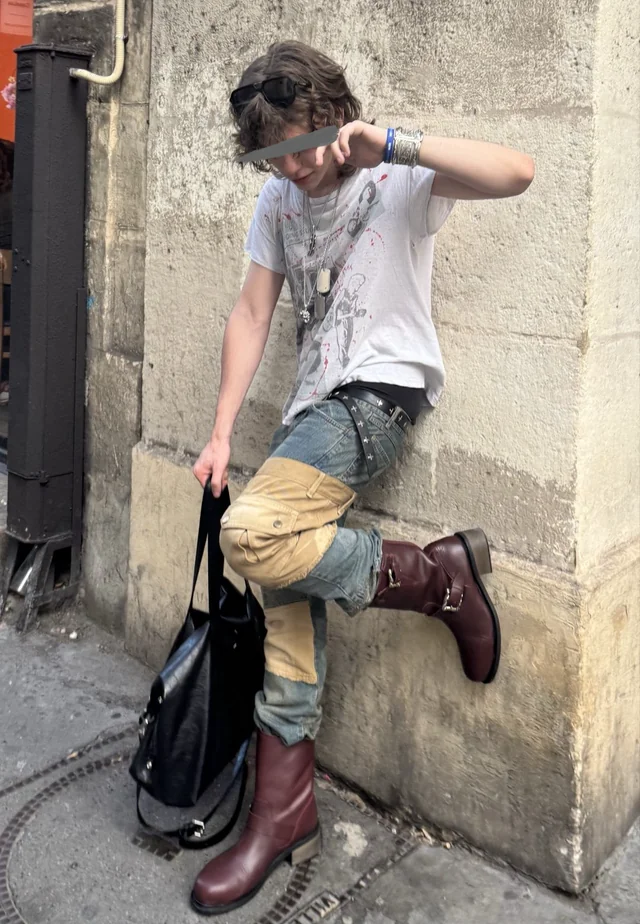
Ballhog is a fashion aesthetic built from collected 2000s Japanese designer streetwear worn with luxury logos, named on TikTok in 2026 after the creator bradygoo, whose outfits set the formula. The core is archive denim and jersey from the Tokyo labels of the era: Number (N)ine deep V-neck tees worn with layered chains, Undercover's hand-reworked denim, Hysteric Glamour puffers and graphic pieces, and the narrow Japanese-selvedge denim of Hedi Slimane's Dior Homme, traded today under collector nicknames like mud wash. Chrome Hearts silver, a monogram Louis Vuitton belt, and archive Chanel or Yves Saint Laurent glasses supply the logos, and Air Force 1s or Chrome Hearts Converse sit under stacked baggy or flared selvedge. The pieces are bought from the archive resale market rather than thrifted, and recognizing them is part of the point: the look is a collector's knowledge worn in public. The labels behind it are the generation documented in W. David Marx's Ametora, which traces how Tokyo absorbed American style and began exporting its own version back.
Visual Grammar
Silhouette
- baggy or flared selvedge denim stacked over sneakers
- deep V-neck tees, often layered under open shirts
- oversized puffers and rock-graphic outerwear
- long layered chains over the tee
- low-slung monogram belts with visible buckles
Materials
- Japanese selvedge and treated denim (mud-wash, hand-reworked, patchwork)
- graphic cotton jersey
- sterling silver jewelry and hardware
- monogram leather belts
- nylon puffer shells
Construction
- archive pieces from different labels and seasons styled together
- distress and treatment original to the garment, never added afterward
- logo-forward accessorizing against a denim-led base
- recognizable collector pieces worn as identifiers
Colors
- washed indigo and mud-brown denim
- black and grey base layers
- red and print pops from rock graphics
- silver hardware throughout
Footwear
- Nike Air Force 1s
- Chrome Hearts Converse collaborations
- worn low-profile sneakers under stacked denim
Body Logic
The silhouette hangs low and layered: stacked denim pools over the sneakers, the deep V-neck opens the chest for chains, and an oversized puffer or open shirt widens the frame. The garments carry their own history, with the wear, treatments, and repairs original to pieces that are often twenty years old, so condition and provenance are read the way other aesthetics read fit. Logos are worn deliberately and mixed across houses, a belt, glasses, and silver announcing the labels while the denim announces the knowledge it took to find.
Exemplars
- 01
Takahiro Miyashita1996-2009
Founded Number (N)ine in 1996, named after the Beatles' Revolution 9, and filtered grunge and rock Americana through Tokyo tailoring for thirteen years, closing with collections like Autumn 2008's My Own Private Portland. He left the label in 2009 and continues as TAKAHIROMIYASHITATheSoloist. The departure froze Number (N)ine as a finite archive, and its V-neck tees and jewelry are foundation pieces of the ballhog formula.
- 02
Jun Takahashi1990-present
Founded Undercover in 1990 under the motto We Make Noise, Not Clothes. The Spring/Summer 2003 Scab collection, ripped, burned, and reworked by hand into patchwork layers, was a highlight of Paris Fashion Week and put Japanese archive denim on the international map. Undercover's reworked denim is among the most collected of the era.
- 03
Hedi Slimane's Dior Homme2000-2007
Slimane's Dior Homme cut the narrow rock silhouette of the decade and produced runs of Japanese-selvedge denim that the archive market now trades under collector nicknames. The jeans supply the luxury half of the ballhog formula, worn against the Tokyo labels rather than with the rest of the Dior wardrobe.
- 04
bradygoo2026
The TikTok creator whose archive-heavy outfits gave the look its name in the spring of 2026, called the archive founder within the scene. The videos assembled the existing collector canon, Number (N)ine, Undercover, Hysteric Glamour, Dior denim, Chrome Hearts, into a named, repeatable formula that spread through archive TikTok over the summer.
Timeline
1984-1996
The Tokyo groundwork. Nobuhiko Kitamura founded Hysteric Glamour in 1984 on American rock and pin-up graphics, Jun Takahashi founded Undercover in 1990 out of the Harajuku backstreet scene, and Takahiro Miyashita, who had spent his teens thrifting and customizing American clothes, founded Number (N)ine in 1996.
2000-2003
Hedi Slimane took over Dior Homme in 2000 and cut the narrow rock silhouette that defined the decade, produced partly in Japanese selvedge denim. Undercover's Spring/Summer 2003 Scab collection, ripped and reworked entirely by hand, was a highlight of Paris Fashion Week and brought the Tokyo approach to an international audience.
2004-2009
The peak years of the wardrobe now collected, closing with Number (N)ine's Autumn 2008 My Own Private Portland and Miyashita's 2009 departure from the label. The era's end turned its clothing into a finite, dateable archive.
2010s
The archive resale market formalized. Grailed launched in 2013 and its Dry Clean Only editorial canonized the labels, dealer stores and scan archives priced the era's pieces upward, and 2000s Japanese denim became a collector category with its own vocabulary of seasons and treatments.
2026-present
TikTok's archive scene condensed the collector canon into a named look over the spring and summer of 2026, after the creator bradygoo, and the ballhog formula of archive denim, V-necks and chains, puffers, and mixed luxury logos spread as a recognizable uniform. The name is newer than the wardrobe, which had been assembled piece by piece for a decade.
References
- 01Marx, W. David. Ametora: How Japan Saved American Style. Basic Books, 2015.
- 02"We Make Noise Not Clothes: A Look at Undercover." Dry Clean Only, Grailed.
- 03"Undercover SS 03 SCAB." Le Petit Archive.
- 04"Number Nine: An Overview of the Cult Fashion Brand." Truss Archive.
- 05"Takahiro Miyashita, Founder of Number (N)ine." Le Petit Archive.
- 06"NUMBER (N)INE 'My Own Private Portland' Tees." Hypebeast, July 2008.