Lekondo's
Ontology of Fashion Aesthetics

36 aesthetics

Clothing is expression without explanation. It influences how you’re seen and how you see yourself. Patterns of taste, mood, discipline, excess, and restraint repeat across time and culture. This is our guide to making that language visible.

Back to Ontology
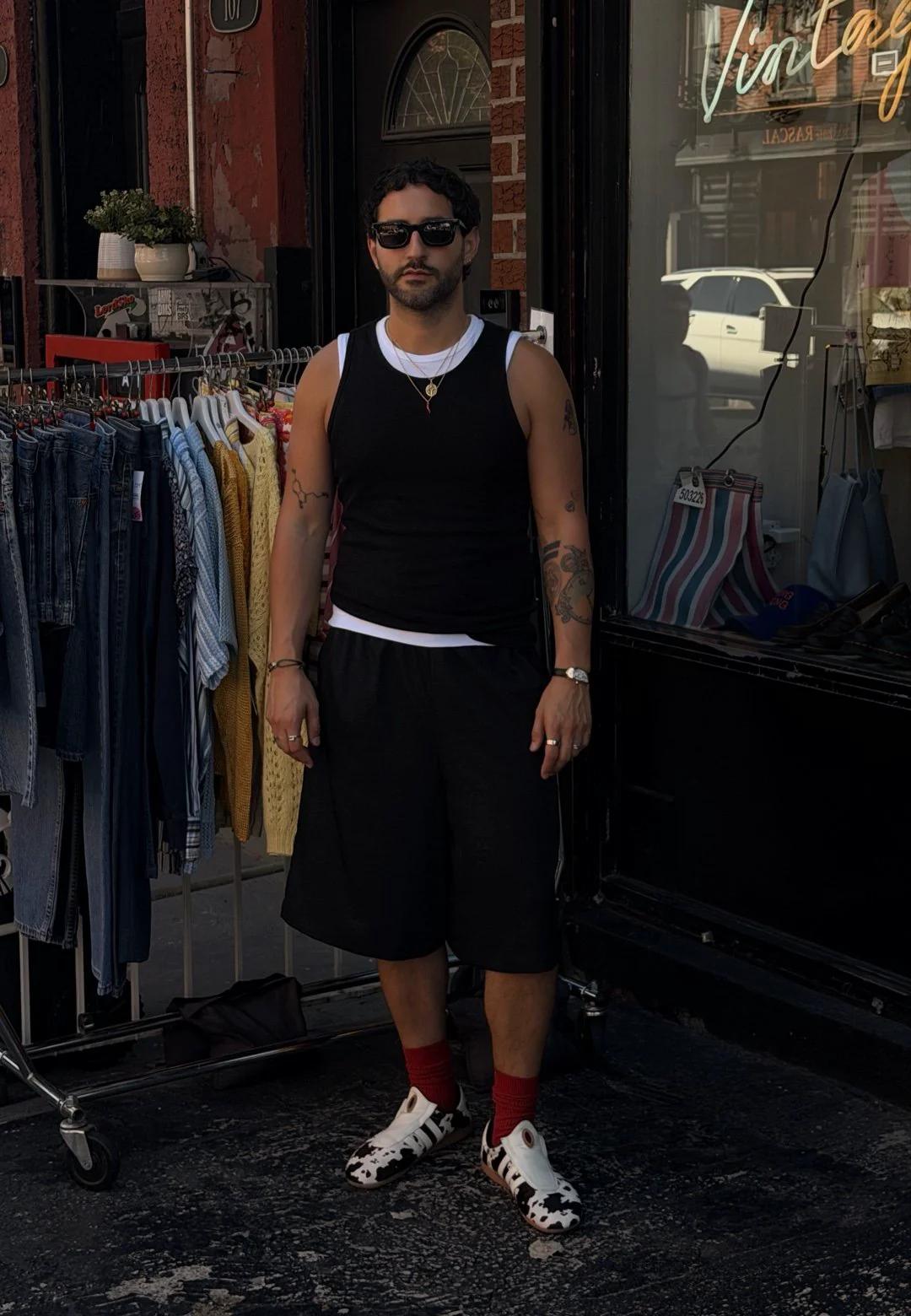
Athleisure 1
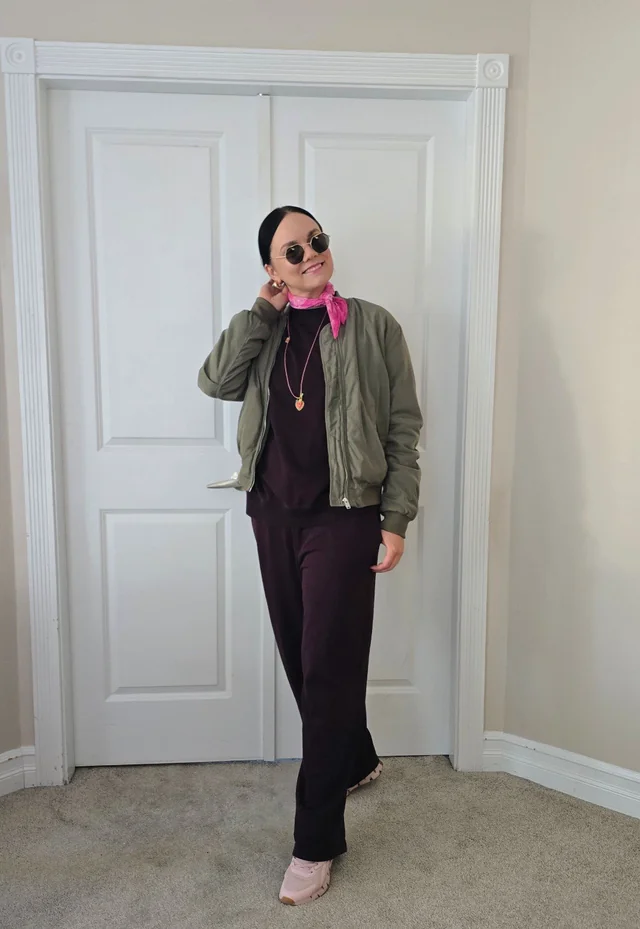
Athleisure 2
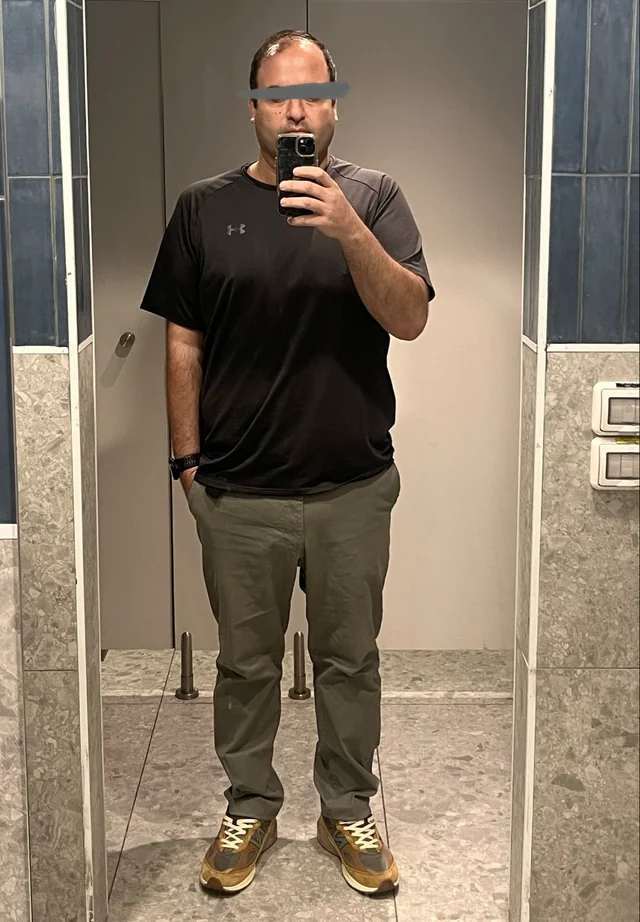
Athleisure 3

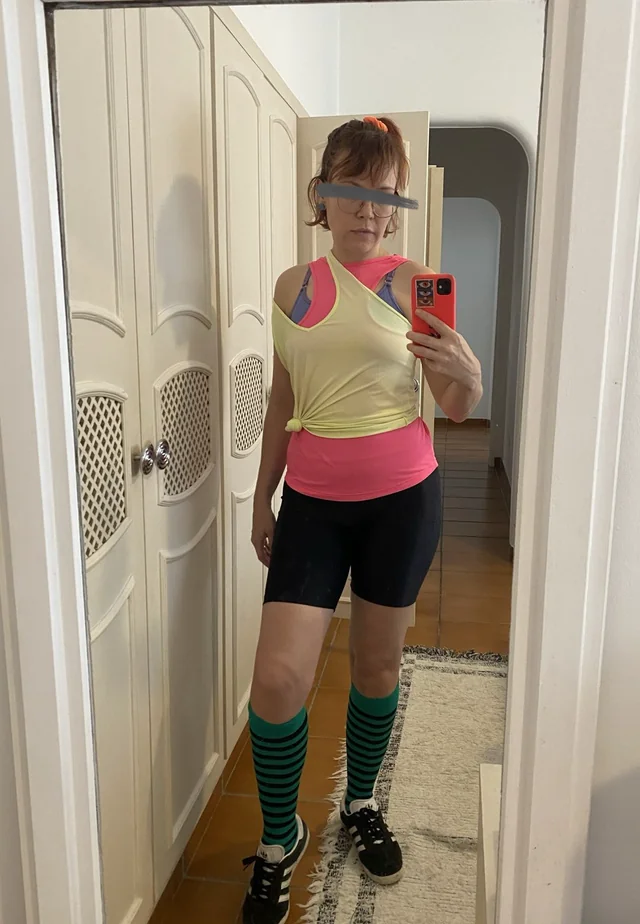
Athleisure

Summary. Athleisure is a dress system in which garments built for athletic performance — compression knits, moisture-transport textiles, stretch-recovery fabrics, cushioned footwear — become default clothing for daily life: commuting, errands, working from home, casual socializing. The category runs on textile-performance logic. Fiber composition (nylon, polyester, elastane in calibrated ratios), knit construction (circular knit, warp knit, flatlock-seamed, bonded), and finish treatment (moisture-wicking, antimicrobial, UV-protective) determine both how a garment functions and where it sits in the market. These garments must manage moisture, allow unrestricted movement, hold their shape through repeated stretch-recovery cycles, and survive high-frequency laundering — all while signaling the wearer's participation in wellness culture.

In Material Terms

Athleisure's coherence depends on compression-and-stretch engineering. Fabrics must apply controlled pressure to muscle groups (compression leggings), snap back to original dimensions after deformation (waistbands, bra straps, cuffs), and move perspiration from skin to fabric exterior for evaporation (wicking finishes or hydrophilic fiber construction). When the engineering works, garments perform measurably: they reduce perceived exertion, accelerate moisture evaporation, and maintain fit across hundreds of wear-wash cycles. When it doesn't — as in fast-fashion copies that reproduce the look without the textile substrate — the category collapses into costume. Leggings go transparent under stretch. Waistbands roll down. Fabrics pill, sag, and trap odor within weeks.

At Category Level

Athleisure sits between performance sportswear and lifestyle fashion. High-spec implementations (Lululemon's proprietary fabrics, Nike's Dri-FIT and Flyknit systems, clinical-grade compression garments) are evaluated through textile-science criteria: stretch recovery percentage, moisture vapor transmission rate, compression gradient consistency, colorfastness under repeated laundering. Lower-tier versions reproduce the silhouette and branding while substituting weaker fiber blends, looser knit constructions, and finishes that degrade within a single wash season. This stratification defines the internal hierarchy — athleisure authenticity is judged not by how a garment looks but by how it behaves on the body under movement, heat, moisture, and time.

Methodologically

This entry treats athleisure as a body-management textile system. Garments are analyzed by how they perform across movement, thermoregulation, compression, maintenance, and social signaling — not by trend positioning alone. The focus is on the engineering that makes the aesthetic function, the failure modes that expose its limits, and the cultural work that performance rhetoric performs.

Word (Etymology)

A portmanteau of "athletic" and "leisure," entering English usage in the early 2010s and added to the Merriam-Webster dictionary in 2016. The compound's transparency is deceptive: its cultural function is not merely descriptive (athletic clothes worn at leisure) but classificatory, marking a distinction from generic sportswear by foregrounding the deliberate migration of performance textiles into non-sport contexts. The term implies intentionality — not the accidental wearing of gym clothes outside the gym, but the systematic adoption of athletic garments as a lifestyle wardrobe.

In market discourse, "athleisure" operates as both category label and value proposition: it promises that a single garment can serve exercise, commuting, socializing, and lounging without the costume changes that previous dress regimes demanded. This multi-context functionality claim is central to the category's commercial logic and is the primary axis along which premium and mass-market offerings differentiate. In practice, the term also functions as a discourse marker identifying communities that evaluate garments through a hybrid lens of performance metrics (stretch, wicking, compression) and lifestyle aesthetics (silhouette, color, brand), rather than through either athletic specification or fashion styling alone.

The Japanese market uses "sports mix" (スポーツミックス) and "athletic style" (アスレチックスタイル) to describe overlapping concepts, while Korean fashion media adopted "athleisure" (애슬레저) directly as a loanword, reflecting the category's global circulation through English-language digital platforms.

Subculture

Athleisure emerged at the intersection of several communities whose distinct evaluative regimes merged into a shared but internally stratified aesthetic field.

Studio fitness communities. Yoga practitioners, Pilates participants, barre attendees, and boutique-fitness members (SoulCycle, Barry's Bootcamp, CrossFit) constituted the original demand base. Within these communities, garment evaluation was grounded in embodied performance: Did the legging stay opaque during deep stretches and inversions? Did the waistband hold position under core engagement? Did the sports bra provide adequate support through high-impact movement without restricting breathing? Knowledge was transmitted through in-studio observation, instructor recommendation, and brand-loyalty networks centered on fitting rooms and post-class conversation. Lululemon's "educator" model — in-store staff trained to assess fit, recommend products based on activity type, and cultivate community through complimentary classes — institutionalized this expertise transmission and created a retail environment that functioned simultaneously as product showroom, fitness community hub, and lifestyle education center.

Running and endurance communities. Road runners, marathon trainers, and triathlon communities brought a more metric-driven evaluative framework: garments were assessed through moisture management during sustained aerobic output, chafe resistance over multi-hour wear, and visibility features for pre-dawn or post-dusk training. Running-specialty retailers (Fleet Feet, Jackrabbit) and peer-reviewed gear forums provided alternative expertise channels to fashion-oriented platforms.

Sneaker culture and streetwear crossover. The Air Jordan legacy (1985 onward), Nike's lifestyle-oriented sub-brands, and Adidas's collaborations with Kanye West (Yeezy, 2015) and Pharrell Williams established sneakers as cultural objects evaluated through design provenance, resale value, and styling versatility rather than athletic function alone. This community contributed the footwear vocabulary and logo-driven signaling system that athleisure adopted.

Celebrity and influencer networks. Airport paparazzi photography in the 2010s — Gigi Hadid, Kendall Jenner, Hailey Bieber consistently photographed in leggings, oversized hoodies, and designer sneakers — established a celebrity template for athleisure as aspirational off-duty dress. Fitness influencers on Instagram and TikTok (#fitspo, #gymshark, #lululemon) merged workout content with product promotion, creating a media ecosystem where athletic clothing functioned simultaneously as exercise tool, lifestyle advertisement, and income-generating affiliate product.

The resulting expertise hierarchy operates across multiple registers. At the top, textile-literate participants evaluate fiber composition, knit construction, compression performance, and durability across wear cycles. Mid-tier participants navigate brand ecosystems and fit systems (understanding, for example, that Lululemon's Align uses Nulu fabric for low-impact feel while Wunder Train uses Everlux for high-intensity moisture management). Entry-level participants select through visual recognition and influencer recommendation. These tiers are not sealed — mobility is possible through accumulated knowledge — but the hierarchy determines how authenticity claims are adjudicated in community discourse. The tension between "performance literacy" and "aesthetic adoption" mirrors gorpcore's and techwear's parallel internal debates.

History

The material history of athleisure begins in textile science and sports-medicine research, not in fashion studios. Each historical phase developed engineering capabilities that subsequently became available for lifestyle adoption.

Fiber and textile substrate (1930s–1970s). Nylon (DuPont, 1935) introduced the first synthetic fiber with sufficient stretch and strength for athletic applications. Polyester (ICI, 1941, commercialized through the 1950s–60s) provided dimensional stability, wrinkle resistance, and rapid drying. Spandex/Lycra (DuPont, 1958, branded as Lycra by 1962) transformed athletic garment construction by enabling fabrics that could stretch to 500–700% of resting length and recover to within 2–5% of original dimensions — a material capability that made skin-tight, body-mapped garments structurally possible for the first time. Without elastane, there are no compression leggings, no stretch-recovery waistbands, no body-contour sports bras. The fiber is athleisure's enabling technology in the way that Gore-Tex is techwear's.

Aerobics era and first lifestyle migration (1978–1989). Judi Sheppard Missett's Jazzercise (founded 1969, mass expansion through the late 1970s) and Jane Fonda's Workout video (1982, selling 17 million copies) normalized Spandex leggings, leotards, and high-cut bodysuits outside gym contexts for the first time. These garments were still understood as activity costumes — you changed into them for exercise and changed out afterward — but their visibility in home-video and television formats established the visual grammar (body-contour silhouette, bright colorblocking, high-waisted compression) that athleisure would later universalize. Simultaneously, Run-DMC's adoption of Adidas tracksuits and shell-toe sneakers (1986, formalized in the first hip-hop endorsement deal) established sportswear as subcultural uniform, demonstrating that athletic garments could signify identity rather than activity.

Yoga migration and the Lululemon revolution (1990s–2007). Yoga's expansion from specialized studios to mainstream gyms and home practice through the 1990s created demand for garments that were simultaneously technical (four-way stretch, moisture management, opacity under stretch, gusseted construction for deep postures) and aspirational (flattering fit, premium feel, lifestyle signaling). Lululemon Athletica, founded by Chip Wilson in Vancouver in 1998, identified and exploited this gap. The brand's Groove Pant (wide-leg, Luon fabric, signature waistband) became the category's first cult object: priced at $98 — expensive enough to signal class position, justified through proprietary fabric development and studio-tested fit. Lululemon's strategic innovation was not the garment itself but the retail-community architecture: free in-store yoga classes, "educator" staff drawn from local fitness communities, manifesto-printed shopping bags, and goal-setting culture embedded in the brand experience. The company's IPO in 2007 (NASDAQ: LULU, raising $327.6 million) validated athleisure as a discrete, investable market category, signaling to the broader apparel industry that performance-lifestyle crossover was commercially viable at scale.

Platform acceleration and luxury convergence (2010–2019). Instagram, launched in 2010, became athleisure's native media habitat. The platform's visual logic — body-centered, lifestyle-aspirational, influencer-mediated — aligned precisely with athleisure's value proposition. Fitness influencers (#fitspo reaching billions of impressions) blurred the boundary between workout documentation and product placement, creating a content ecosystem where athletic clothing was always simultaneously being used and being sold. Silicon Valley's normalization of hoodies, sneakers, and joggers in professional settings (Mark Zuckerberg's grey t-shirt uniform, Patagonia vests as finance-bro signifier) eroded dress-code barriers from the corporate side.

Celebrity adoption formalized the luxury tier. Beyoncé's Ivy Park (launched 2016 with Topshop, relaunched 2020 with Adidas) positioned athleisure within Black cultural production and performance branding. Kanye West's Yeezy (Adidas partnership, 2015) fused sneaker culture, minimalism, and scarcity economics. Luxury houses capitulated: Balenciaga's Triple S sneaker (2017, $895), Gucci's Rhyton ($890), and Louis Vuitton's Archlight ($1,090) demonstrated that athletic silhouettes could command luxury pricing when recontextualized through high-fashion brand equity. By 2018, athletic footwear outsold dress shoes in the United States for the first time — a market-structural inversion that signaled athleisure's victory over formal dress codes.

Pandemic universalization and post-lockdown fragmentation (2020–present). COVID-19 lockdowns eliminated the last contextual barriers to athleisure's dominance. With gyms closed, offices abandoned, and social life contracted to domestic space, leggings and joggers became default dress for hundreds of millions of people globally. Lululemon's fiscal year 2020 revenue reached $4.4 billion; the global athleisure market surpassed $300 billion. Post-lockdown, the category fragmented into distinct subgenres: elevated athleisure (Alo Yoga, Varley, Vuori) emphasized premium fabrics and muted palettes for studio-to-street credibility; technical-performance athleisure (On Running, ASICS repositioning) competed on engineering specifications; quiet-luxury athleisure (Loro Piana cashmere joggers, Brunello Cucinelli cotton-cashmere hoodies) translated activewear cues into ultra-premium natural fibers; and mass-market athleisure (Amazon Essentials, Target's All in Motion) democratized the silhouette at fast-fashion pricing.

Analytically, athleisure's history is a sequence of context migrations — from aerobics studio to home video, from yoga mat to city sidewalk, from gym to office to everywhere — in which the same textile substrate (stretch knit, compression, moisture management) is preserved while its social function, audience, price architecture, and cultural meaning are repeatedly renegotiated. Each migration preserves performance rhetoric while progressively decoupling it from performance context.

Silhouette

Athleisure silhouette is governed by compression geometry and stretch-recovery engineering rather than by tailoring principles or drape logic. The characteristic forms — body-contour leggings, cropped or oversized layering pieces, tapered joggers, fitted tanks — are not arbitrary aesthetic preferences but engineering consequences of how stretch-knit fabrics interact with the body under tension.

Leggings and compression bottoms. The high-waisted compression legging is the category's defining garment. The waistband (typically 7–10cm wide, engineered with higher elastane content than the leg body) applies graduated compression to the lower abdomen, stabilizing the garment against downward migration during movement while creating the smooth, sculpted waist-to-hip transition that serves as the silhouette's primary aesthetic effect. The leg body uses lower compression to permit muscle movement while maintaining contact: too much compression restricts blood flow and range of motion; too little allows fabric migration, bunching, and the "saggy knee" failure that signals cheap construction. Length variants — full-length, 7/8 (ankle-clearing, designed to avoid bunching over footwear), capri, and bike short (5–8 inch inseam) — each address specific activity contexts and proportional aesthetics. Gusset construction at the crotch (diamond or triangular fabric insert) distributes tension across multiple seam lines rather than concentrating it at a single point, reducing the blowout failure that occurs when a single seam bears the combined stress of squat, lunge, and stride patterns.

Tops and layering pieces. Sports bras and crop tops use racerback or cross-back strap geometries that redistribute shoulder load away from the trapezius and toward the broader scapular region, reducing strap dig during overhead movement. Longline bras (extending below the ribcage) provide additional coverage and core contact without the constraint of a full tank. Cropped hoodies and sweatshirts are cut to sit at or above the natural waist, maintaining visual proportion with high-waisted bottoms while keeping the midsection's thermal regulation accessible (rather than trapping heat as a full-length hoodie does during exertion). Oversized silhouettes in tops and outerwear create deliberate contrast with compression bottoms — the fitted-below-loose-above formula that defines athleisure's most recognizable layering profile.

Joggers and relaxed bottoms. Tapered joggers use a roomy thigh-to-knee cut that narrows at the ankle through elastic or ribbed cuffs. The taper serves dual purpose: it prevents excess fabric from interfering with stride mechanics, and it creates the ankle-revealing line that accommodates chunky sneakers — the category's defining footwear. Drop-crotch variants lower the inseam point to create a relaxed, non-athletic silhouette within athletic materials, bridging athleisure toward streetwear.

The silhouette's social communication is inseparable from its engineering. Compression leggings smooth subcutaneous tissue, define muscle contour, and create a continuous, streamlined body line that reads as "fit" and "disciplined" — whether or not the wearer exercises. The high waistband flattens the lower abdomen and accentuates the waist-to-hip ratio. These are not neutral functional outcomes; they are body-shaping effects that encode specific beauty ideals (toned, lean, hourglass-proportioned) as "performance wear." The silhouette thus operates simultaneously as athletic equipment and as aesthetic discipline: it optimizes movement and shapes the body in the same gesture.

Materials

Material selection is athleisure's primary engineering substrate and the axis along which performance claims are verified or exposed. The category depends on synthetic and blended textiles engineered for specific mechanical, thermal, and moisture-management behaviors.

Elastane/Spandex (Lycra). The foundational fiber of athleisure, typically comprising 15–25% of legging fabrics and 10–18% of lighter knits. Elastane provides the stretch-recovery behavior that makes body-contour garments possible: it can be extended to 500–700% of resting length and return to within 2–5% of original dimensions. Higher elastane content increases compression and recovery; lower content provides softer drape with less hold. The fiber's critical limitation is degradation through heat, chlorine, body oils, and UV exposure: elastane loses recovery force progressively with each wash-heat cycle, resulting in garments that "bag out" at the knees, waistband, and seat after 50–100 wears. This degradation timeline is the single most important quality differentiator in the category — premium fabrics (Lululemon's Nulu, Nulux; Nike's Infinalon) engineer superior elastane integration that maintains recovery force over significantly more cycles than fast-fashion equivalents.

Nylon (polyamide). The primary face fiber in premium athleisure (60–80% of fabric composition in performance leggings), chosen for its silk-like hand feel, abrasion resistance, and dye uptake. Nylon 6,6 (higher melting point, better abrasion resistance) is preferred over nylon 6 in premium applications. The fiber's moisture absorption is moderate (4.5% regain vs. polyester's 0.4%), giving nylon-dominant fabrics a softer, less "plasticky" feel against skin. Nylon is more expensive than polyester, which is why its presence in a legging's fiber content serves as a rough quality proxy.

Polyester. The dominant fiber in mass-market and performance-sport athleisure (often 80–100% of fabric in moisture-wicking tops and lightweight layers). Polyester's near-zero moisture absorption means it does not hold water weight and dries rapidly — advantageous for high-sweat applications but less comfortable against skin in low-output contexts because perspiration remains on the fiber surface rather than being absorbed. Microfiber polyester (sub-1-denier filaments) improves hand feel and wicking performance through increased surface area. Recycled polyester (from PET bottles or post-industrial waste) is increasingly marketed as a sustainability measure, though it does not address the fiber's end-of-life microplastic problem.

Moisture-management systems. "Wicking" is not a fiber property but a construction and finish effect. Hydrophilic treatments on hydrophobic fibers (polyester, nylon) create a capillary gradient that draws moisture from the skin-contact face to the external face, increasing evaporative surface area. Nike's Dri-FIT, Adidas's Climalite/AEROREADY, and Lululemon's Everlux use proprietary finishing processes to achieve this. Alternative approaches include fiber-geometry engineering (channel-shaped fiber cross-sections that increase surface area for capillary action) and bi-component knit construction (hydrophilic inner face, hydrophobic outer face). The performance ceiling of wicking systems is limited by ambient humidity: in saturated-air conditions (>85% relative humidity), evaporation slows regardless of fabric engineering, and the garment's moisture load has nowhere to go.

Compression textiles. Clinical compression garments (medical-grade, used for deep vein thrombosis prevention and post-surgical recovery) apply graduated pressure measured in millimeters of mercury (mmHg): 15–20 mmHg for light compression, 20–30 mmHg for moderate, 30–40 mmHg for firm. Athletic compression garments borrow this engineering but rarely publish pressure specifications, making performance claims difficult to verify. Research (published in British Journal of Sports Medicine, Journal of Strength and Conditioning Research) shows modest benefits for proprioception, perceived exertion reduction, and post-exercise recovery at appropriate compression levels, but limited evidence for direct performance enhancement during exercise. The gap between clinical evidence and marketing rhetoric is a defining feature of athleisure's performance claims.

Seamless knit construction. Circular-knit technology (Santoni machines producing tubular, seam-free garments) reduces chafe points, improves stretch uniformity, and creates the smooth, body-mapped aesthetic that defines premium athleisure. True seamless construction eliminates side seams entirely, distributing tension evenly around the garment's circumference. Body-mapping within seamless knits varies knit density zone by zone: higher compression at the waist, medium compression through the thigh, lighter construction at the calf for breathability, and reinforced construction at the gusset for durability. This zone-variable engineering is invisible from the exterior but determines fit behavior under movement — and its absence in budget-tier seamless garments (which use uniform knit density throughout) explains why cheaper alternatives fit differently under the same visual appearance.

Fabric failure modes. Pilling (fiber migration to fabric surface creating visible balls) occurs earliest in polyester-dominant blends and at abrasion contact points (inner thigh, under-arm, under pack straps). Opacity failure ("see-through" leggings under stretch) results from insufficient fabric weight, low fiber density, or excessive elastane-to-nylon ratio that thins the fabric under tension. Elastane degradation (loss of recovery force, permanent stretch deformation) accelerates with heat exposure (hot wash, tumble drying, direct sunlight), chlorine contact (pool use), and body-oil saturation (sunscreen, moisturizer). Color migration and fading occur with poor dye fixation, particularly in dark colors subjected to friction and repeated washing. Odor retention — polyester's most persistent failure mode — results from bacterial colonization of the fiber's hydrophobic surface, which is resistant to standard detergent removal; antimicrobial treatments (silver-ion, Polygiene, HeiQ) delay but do not prevent this buildup.

Consequently, "athleisure quality" is materially empirical. Two visually identical leggings may diverge radically in compression performance, opacity under stretch, pilling timeline, and elastane longevity because of fiber composition, knit construction, and finish treatment. Brand-proprietary fabric names (Nulu, Everlux, Nulux, Dri-FIT, Climalite) function as both engineering specifications and marketing instruments, encoding real performance differences while also operating as brand-loyalty markers.

Color Palette

The palette operates on a two-track system with distinct commercial and semiotic functions. Foundational neutrals — black, charcoal, navy, white, heathered grey — dominate because they serve multiple operational requirements: they increase interchangeability across modular athleisure wardrobes (any neutral top combines with any neutral bottom), they mask sweat marks and wear patterns more effectively than lighter or saturated colors, and they project the disciplined, understated competence that premium athleisure codes (black leggings as the category's universal default). Black also performs a body-contouring optical function: it minimizes visual differentiation across body contours, producing the smooth, unified body line that athleisure's compression geometry aims to achieve.

Seasonal trend colors — millennial pink and sage green (mid-2010s), lavender and butter yellow (late 2010s), earth tones, rust, and olive (2020s), muted pastels and "quiet" neutrals (2023–present) — operate as brand-differentiation and seasonal-refresh mechanisms. Lululemon releases proprietary color names each season (Everglade Green, Smoked Spruce, Roasted Brown) that function as scarcity signals and community identifiers: recognizing a specific seasonal color demonstrates brand literacy and temporal position within the consumption cycle. Limited-run colorways create resale-market premiums (Align leggings in discontinued colors selling above retail on Poshmark and eBay), transforming color choice into speculative investment.

Bold colorblocking and graphic prints — geometric panels, tie-dye variants, animal prints, gradient fades — serve primarily as brand-differentiation and lower-price-tier visual interest. The general rule: the more chromatic noise, the lower the market tier. Premium athleisure converges on chromatic restraint; mass-market athleisure relies on color variety and print novelty to generate perceived freshness within compressed trend cycles.

Details

Details in athleisure are best understood as body-interface engineering — solutions to specific movement, moisture, and access problems that, through market migration, have become recognizable style markers.

Seam systems. Flatlock seams (two fabric panels butted edge-to-edge and sewn with a coverlock stitch, producing a flat, flexible joint) are the standard for skin-contact garments because they eliminate the raised interior ridges of conventional overlocked seams that cause chafing during repetitive motion — running, cycling, yoga flow. Bonded seams (adhesive rather than thread, using heat-activated tape) produce an even smoother interior surface and are used in premium seamless constructions, but are less durable under sustained high-temperature laundering than stitched alternatives. The shift from overlocked to flatlock to bonded construction tracks price tier with reasonable reliability: overlocked seams indicate mass-market construction; flatlock indicates mid-tier or better; bonded indicates premium.

Waistband engineering. The wide waistband (7–10cm) is not merely an aesthetic choice but a compression-distribution system. A narrow waistband concentrates hold force along a single line, producing dig, roll-down under movement, and skin marking. A wide waistband distributes the same hold force across greater surface area, reducing pressure per unit area while maintaining total compression. Interior silicone grip strips or drawcords prevent waistband migration during high-impact movement (jumping, inversions). Some premium brands engineer a "crossover" or V-shaped waistband that wraps at an angle across the abdomen, distributing compression asymmetrically to accommodate anatomical variation between front and back body.

Gusset construction. The crotch gusset — a diamond, triangular, or U-shaped fabric insert joining the inner-leg seams — is a critical stress-distribution detail. Without a gusset, a single inseam bears the combined tension of stride, squat, and lunge movements, creating a failure point where seam blowout or fabric distortion is concentrated. The gusset redistributes this tension across multiple seam lines and provides additional fabric for range of motion. Diamond gussets (four-point attachment) are structurally superior to triangular (three-point) for high-mobility applications. Gusset absence in budget-tier leggings is the single most reliable indicator of construction-cost reduction.

Pocket integration. Side pockets in leggings and joggers must be engineered to avoid disrupting compression profiles and creating visible bulge. Drop-in side pockets use overlapping fabric layers to create a flat entry that expands only under phone or key insertion. Waistband pockets (rear or side, positioned within the waistband's compression zone) are the most secure option during movement but limit capacity to flat, thin objects. The challenge of pocket integration — maintaining compression, opacity, and silhouette continuity while providing access — is a genuine engineering problem that separates considered design from afterthought.

Thumbholes and sleeve anchoring. Extended cuffs with thumbhole openings serve a specific interface function during upper-body movement: they anchor the sleeve to the hand, preventing ride-up during overhead reaching (yoga, weight training) and maintaining coverage during temperature transitions (outdoor running in cold conditions). In lifestyle contexts, thumbholes function as visual indicators of athletic intent and tactile comfort objects — a detail that retains its performance logic while accumulating additional social meaning.

Reflective elements and visibility details. Reflective strips, logos, and piping address a specific safety scenario: pre-dawn or post-dusk outdoor exercise, where low-light visibility reduces collision risk with vehicles and cyclists. The engineering requirement is straightforward (retroreflective material at limb articulation points where movement creates visual signal). In lifestyle contexts, reflective details function as athletic-intent markers rather than safety infrastructure — communicating that the wearer's garments were designed for conditions more demanding than their current context.

Body-mapping panels. Contrast paneling in athleisure leggings and tops is not purely decorative: it can indicate zone-variable fabric engineering, where different knit constructions are used for compression, breathability, and stretch in different body regions. Mesh panels at the calves, back of knee, or along the spine provide ventilation in high-heat zones during exertion. Compressive panels along the outer thigh and waistband provide structural hold. In lower-tier implementations, contrast paneling is purely decorative — a visual citation of body-mapping that uses the same fabric throughout — and distinguishing engineered zoning from aesthetic paneling requires either technical specification or touch comparison.

The distinction between engineered body interface and decorative citation is central to athleisure critique. In mature implementations, every detail addresses a specific movement, moisture, or access problem; in weaker implementations, details accumulate as visual complexity without functional architecture.

Accessories

Accessory systems in athleisure extend the category's body-management and lifestyle-signaling logic, forming an integrated kit that bridges sport, transit, and everyday carry.

Footwear is the aesthetic's most visible identifier. Running-derived sneakers (Nike Air Max, Pegasus, and Vaporfly lines; Adidas Ultraboost; New Balance 990 series; ASICS Gel-Kayano and Nimbus; On Cloud and Cloudmonster) provide cushioned midsoles, breathable knit uppers, and rubber outsoles engineered for pavement impact — features that serve both running performance and all-day walking comfort. Fashion-crossover sneakers (Nike × Off-White, Adidas × Yeezy, New Balance × Aimé Leon Dore) inhabit a parallel market where resale value and cultural signaling supersede performance specifications. The Salomon XT-6 and Hoka Bondi/Clifton have bridged athleisure and gorpcore, introducing trail and maximalist cushioning aesthetics into urban rotation.

Bags minimize bulk and maximize mobility: crossbody micro-bags (Lululemon Everywhere Belt Bag, a category-defining accessory that routinely sells out and generates waitlists), wrist wallets, and backpacks engineered for gym-to-work transition (dedicated shoe compartments, ventilated pockets for used garments, laptop sleeves). The fitness tracker or smartwatch (Apple Watch, Garmin, Whoop, Oura Ring) functions as the category's most ideologically loaded accessory: a wearable device that monitors heart rate, sleep, activity, and recovery, physically embedding the self-optimization ethos that athleisure's clothing system externalizes. Branded water bottles (Hydro Flask, Stanley, S'well) and yoga mats (Lululemon The Mat, Manduka PRO) serve as portable props that extend the wellness identity beyond clothing into carried objects.

Body Logic

Athleisure conceptualizes the body as an active, monitored, and perpetually optimizable system — a project under continuous improvement rather than a static display surface or a given to be draped. Garments are positioned as tools within this optimization regime: they compress muscles for faster recovery, wick moisture for greater comfort, permit unrestricted range of motion for better performance, and signal participation in wellness culture for social legibility. The body thus operates simultaneously as instrument (to be trained), data source (to be tracked), and display surface (to be evaluated by others).

This logic has profound gendered dimensions. Athleisure's commercial development has been overwhelmingly organized around the female body: leggings, sports bras, and high-waisted compression garments are the category's core products, and the visual language of athleisure marketing centers women's bodies in states of curated athletic effort. The body-contour silhouette that compression engineering produces is not gender-neutral — it encodes specific feminine beauty ideals (toned, lean, visible muscle definition without excessive bulk, hourglass-proportioned waist-to-hip ratio) as "functional" outcomes of "performance" wear. This encoding is powerful precisely because it presents body discipline as athletic practice rather than as aesthetic compliance, naturalizing a specific body norm within a rhetoric of self-care and empowerment.

The menswear expansion of athleisure (joggers, technical hoodies, sneaker-centric styling) introduced a parallel body logic organized around relaxed competence rather than body revelation: the male athleisure body is presented as capable and comfortable rather than contoured and monitored. This gendered asymmetry in body exposure — women in compression, men in relaxation — reproduces traditional display-regime differences within a category that claims to be about universal performance.

Fitness tracking and wearable technology deepen athleisure's body logic by adding a data layer: the body is not merely dressed for optimization but instrumented for measurement. Heart rate, step count, sleep score, and recovery metrics create a quantified self that athleisure clothing wraps in visible evidence of wellness participation. The garment and the device form an integrated body-management system — the clothing performing for observation by others, the tracker performing for observation by the self.

In embodied terms, athleisure organizes how the dressed body is read, moved, and socially classified. The aesthetic operates as a regulatory interface between self-management and public interpretation: fit, compression, and visible brand loyalty become mechanisms through which discipline, health, class position, and gender compliance are negotiated in everyday space.

Garment Logic

Athleisure construction begins with textile engineering and body-mapping rather than pattern drafting from traditional tailoring blocks. Core priorities include stretch-recovery maintenance across hundreds of wear-wash cycles, friction elimination at skin-contact surfaces, compression consistency across the garment's functional zones, and multi-context durability — the same legging must withstand studio heat, outdoor UV, commuter friction, and repeated machine laundering without significant performance degradation.

Knit engineering. Performance athleisure uses warp-knit (tricot, raschel) or circular-knit construction that provides controlled, multi-directional stretch with superior recovery compared to woven fabrics. Warp knitting produces the most dimensionally stable stretch fabrics because the interlocking loop structure distributes tension across multiple axes simultaneously. Knit density (measured in gauge — needles per inch) determines compression level, opacity, and hand feel: higher gauge produces denser, more compressive, more opaque fabric; lower gauge produces lighter, more breathable, less supportive fabric. This is why two "nylon-elastane" leggings with identical fiber content can perform entirely differently — their knit engineering, not their fiber composition, determines functional behavior.

Compression engineering. Engineered compression in athleisure operates through a combination of fiber tension (elastane content and stretch ratio), knit density (gauge and stitch type), and garment patterning (panel orientation relative to body contour). Graduated compression — higher pressure at the extremities, decreasing toward the core — is the clinical standard for circulatory benefit, but most athleisure compression garments apply relatively uniform pressure, prioritizing aesthetic shaping over physiological effect. The distinction matters: garments marketed as "compression" without published pressure specifications are making shape claims, not medical ones.

Quality stratification. The athleisure market's construction quality spans a wider range than most fashion categories. At the premium tier (Lululemon, Nike Pro, Alo Yoga), proprietary fabrics are developed in partnership with textile mills, compression profiles are tested through wear-trial programs, colorfast testing exceeds 50 wash cycles, and opacity is verified through stretch-testing protocols (Lululemon's squat test became public knowledge after the 2013 recall of Luon pants that failed opacity standards). At the mid tier (Athleta, Vuori, Outdoor Voices, Girlfriend Collective), solid construction meets category standards without proprietary fabric development. At the mass tier (Shein, Amazon Essentials, Target's All in Motion), visual similarity to premium products masks significant engineering reductions: lower gauge knits, reduced elastane content, cheaper dye processes, and minimal quality-control testing.

Aftercare and failure modes. Athleisure garments require specific maintenance to preserve their engineering properties. Elastane degrades under heat: hot water washing and tumble drying accelerate stretch-recovery loss, meaning garments laundered in warm/hot cycles will lose compression and fit significantly faster than those washed cold and hung to dry. Fabric softeners coat fibers and impair moisture-wicking finishes. Chlorine (pool exposure) causes irreversible elastane degradation and color damage. Body oils and sunscreen accumulate in synthetic fibers and resist standard detergent removal, requiring periodic enzyme-wash or sport-specific detergent (Hex, Win, Tide Sport) treatment.

The primary failure modes, in order of frequency: (1) elastane degradation — manifesting as waistband roll-down, knee bagging, and loss of compression hold; (2) pilling — fiber surface migration creating visible texture degradation, concentrated at inner thighs, under arms, and contact-abrasion zones; (3) opacity loss — fabric thinning under stretch due to elastane failure or insufficient original weight; (4) odor retention — bacterial colonization of synthetic fiber surfaces producing permanent smell despite laundering; (5) color loss — fading, bleeding, or uneven discoloration from UV, friction, and wash exposure. Premium garments delay these failures across a significantly longer service life than mass-market equivalents, but no synthetic athleisure garment is immune to them. This is why athleisure's replacement cycle is faster than categories built on more stable textiles (denim, canvas, wool suiting) — the engineering substrate has a finite functional lifespan even under ideal care.

Motifs / Themes

Dominant themes include wellness as identity, self-optimization as daily practice, comfort as competence, and readiness as social posture. The athleisure wardrobe presents the wearer as someone perpetually prepared for movement — transitioning seamlessly between studio, street, office, and errand — even when no movement occurs. This readiness rhetoric links athleisure to broader cultural economies of productivity, self-monitoring, and what sociologists have termed "wellness culture": the framework in which individual health behaviors become markers of personal responsibility and social virtue.

Brand logos and signature constructions (Lululemon's logo, Alo Yoga's minimalist mark, Nike's Swoosh, Adidas's three stripes) function as quick-read affiliation markers that signal both the wearer's fitness-community membership and their position within the category's price hierarchy. Logo visibility has evolved: early athleisure displayed logos prominently (Nike's swoosh, Adidas's trefoil); the premium-elevated subgenre moved toward subtler placement (tone-on-tone, small embroidery, interior-only branding) to signal wealth through discretion rather than display — a migration that mirrors the quiet-luxury movement in broader fashion.

The "gym-to-street" and "studio-to-office" narratives recur as thematic infrastructure, promising that a single wardrobe can serve all contexts without costume changes. This multi-context promise encodes a specific economic logic: it presents time-saving and wardrobe-simplification as aspirational while obscuring the reality that multi-context garments still encode context through styling (sneaker choice, bag selection, layering formality), meaning the promise of contextless dress is a marketing abstraction rather than a lived reality.

Cultural Touchstones

Jane Fonda's Workout video (1982, 17 million copies sold) established the visual template of lycra-clad exercise as broadcast entertainment. Juicy Couture's velour tracksuit (early 2000s, worn by Paris Hilton, Jennifer Lopez, and the cast of The Simple Life) demonstrated that athletic-adjacent garments could command luxury pricing and celebrity adoption, prefiguring athleisure's commercialization logic. Lululemon's IPO (2007) and subsequent market dominance validated athleisure as an investable category. The airport-paparazzi genre of the 2010s — Gigi Hadid, Kendall Jenner, and Hailey Bieber photographed in leggings-and-sneaker combinations while moving through public transit infrastructure — created the aspirational imagery that Instagram amplified into mass adoption.

Beyoncé's Ivy Park (2016/2020) and Rihanna's Fenty (2017, including athletic-adjacent Savage × Fenty) introduced Black women's creative direction into athleisure's brand landscape, challenging a category whose founding commercial narrative (Lululemon, yoga-derived, Vancouver-originating) had been overwhelmingly white. COVID-19 lockdowns (2020) constituted the single most significant adoption event in athleisure history, converting situational preference into structural habit for hundreds of millions of consumers worldwide.

The Lululemon Luon recall (2013, affecting $60 million in sheer-when-stretched leggings) became a cultural touchstone of a different kind: it exposed the gap between athleisure's performance claims and its manufacturing quality control, demonstrating that opacity under stretch — a basic engineering requirement — was not guaranteed even at premium price points.

See Also

  • Sportswear: Broader historical category of athletic dress, from which athleisure derives its textile substrate
  • Normcore: Comfort-led minimal casual dress, sharing athleisure's anti-formal impulse but without performance rhetoric
  • Gorpcore: Outdoor technical apparel as urban style, adjacent in material engineering but wilderness-referenced rather than gym-referenced
  • Wellness culture: Lifestyle system that provides athleisure's ideological infrastructure
  • Streetwear: Parallel casualization and sneaker-driven styling, overlapping through footwear and logo culture
  • Techwear: Shares performance-textile substrate but stages urban-cyberpunk rather than wellness-fitness imaginary
  • Quiet luxury: Converging through the elevated-athleisure subgenre (cashmere sweats, tonal neutrals, logo minimization)

Brands and Designers

Foundational / Category-Defining:

  • Lululemon Athletica (founded 1998, Vancouver): category creator, proprietary fabric ecosystem (Nulu, Nulux, Everlux, Luon), educator retail model
  • Nike (1964, Beaverton, Oregon): Dri-FIT moisture management, Flyknit construction, Air cushioning systems, broadest market reach
  • Adidas (1949, Herzogenaurach, Germany): Climalite/AEROREADY moisture systems, Boost midsole technology, Yeezy collaboration driving luxury crossover
  • Under Armour (1996, Baltimore): compression-garment pioneer, HeatGear and ColdGear thermoregulation systems

Premium Lifestyle / Studio-to-Street:

  • Alo Yoga (2007, Los Angeles): elevated studio aesthetic, celebrity adoption (Kendall Jenner, Hailey Bieber), Airlift and Airbrush fabric families
  • Vuori (2015, Encinitas, California): men's athleisure emphasis, DreamKnit and VuoriTec fabrics, Costco wholesale partnership expanding access
  • Varley (2017, London/Los Angeles): luxury-adjacent athleisure, muted palette focus, knitwear-activewear hybrid
  • Outdoor Voices (2013, Austin, Texas): "Doing Things" community positioning, Exercise Dress as category innovation, CloudKnit leisure fabric
  • Sweaty Betty (1998, London): UK market leader, Power Legging franchise, studio-to-street positioning

Performance-Technical:

  • On Running (2010, Zurich): CloudTec cushioning system, Swiss engineering positioning, Roger Federer partnership
  • ASICS (1949, Kobe): GEL cushioning technology, Institute of Sport Science research arm, performance-to-lifestyle expansion
  • New Balance (1906, Boston): ENCAP and FuelCell midsole technologies, heritage-meets-performance positioning, 990 series lifestyle adoption
  • Gymshark (2012, Birmingham, UK): influencer-marketing pioneer, Vital Seamless collection, direct-to-consumer model

Sustainability-Positioned:

  • Girlfriend Collective (2016, Seattle): recycled-PET fabric production (79 post-consumer bottles per pair of leggings), size-inclusive model (XXS-6XL), transparent supply chain
  • Patagonia (crossover from outdoor): recycled polyester, Fair Trade certification, Worn Wear repair program
  • Pangaia (2018, London): bio-based materials research, seaweed fiber, recycled cotton

Luxury / High-Fashion Crossover:

  • Loro Piana (LVMH): cashmere-cotton joggers and hoodies at $1,000+ price points, quietest luxury athleisure
  • Brunello Cucinelli: cashmere-blend activewear, "humanistic capitalism" brand narrative
  • Moncler: down-insulated athleisure pieces bridging outerwear and activewear
  • Beyoncé's Ivy Park × Adidas (2020): Black creative direction, cultural-production positioning, performance-lifestyle integration

Citations

[1] Friedman, Vanessa. "How Yoga Pants Won the War." The New York Times, September 29, 2016. [2] Thomas, Dana. Fashionopolis: The Price of Fast Fashion and the Future of Clothes. Penguin Press, 2019. [3] Merriam-Webster Dictionary. "Athleisure." https://www.merriam-webster.com/dictionary/athleisure [4] Entwistle, Joanne. The Fashioned Body: Fashion, Dress and Social Theory. 2nd ed., Polity, 2015. [5] Kawamura, Yuniya. Fashion-ology: An Introduction to Fashion Studies. 2nd ed., Bloomsbury Academic, 2018. [6] Breward, Christopher. Fashion. Oxford University Press, 2003. [7] Wilson, Elizabeth. Adorned in Dreams: Fashion and Modernity. Revised ed., Rutgers University Press, 2003. [8] Crane, Diana. Fashion and Its Social Agendas: Class, Gender, and Identity in Clothing. University of Chicago Press, 2000. [9] Lipovetsky, Gilles. The Empire of Fashion: Dressing Modern Democracy. Princeton University Press, 1994. [10] Barthes, Roland. The Fashion System. Translated by Matthew Ward and Richard Howard, University of California Press, 1983. [11] Hollander, Anne. Seeing Through Clothes. University of California Press, 1993. [12] Hebdige, Dick. Subculture: The Meaning of Style. Routledge, 1979. [13] Simmel, Georg. "Fashion" (1904). In Simmel on Culture: Selected Writings, edited by David Frisby and Mike Featherstone, SAGE, 1997. [14] Veblen, Thorstein. The Theory of the Leisure Class. Macmillan, 1899. [15] Bourdieu, Pierre. Distinction: A Social Critique of the Judgement of Taste. Translated by Richard Nice, Harvard University Press, 1984. [16] Foucault, Michel. Discipline and Punish: The Birth of the Prison. Translated by Alan Sheridan, Pantheon, 1977. [17] Markula, Pirkko. "Firm but Shapely, Fit but Sexy, Strong but Thin: The Postmodern Aerobicizing Female Bodies." Sociology of Sport Journal, vol. 12, no. 4, 1995, pp. 424–453. [18] Dworkin, Shari L., and Faye Linda Wachs. Body Panic: Gender, Health, and the Selling of Fitness. New York University Press, 2009. [19] Crawford, Robert. "Healthism and the Medicalization of Everyday Life." International Journal of Health Services, vol. 10, no. 3, 1980, pp. 365–388. [20] Lupton, Deborah. The Quantified Self: A Sociology of Self-Tracking. Polity, 2016. [21] Napper, Imogen E., and Richard C. Thompson. "Release of Synthetic Microplastic Plastic Fibres from Domestic Washing Machines: Effects of Fabric Type and Washing Conditions." Marine Pollution Bulletin, vol. 112, no. 1-2, 2016, pp. 39–45. [22] Boucher, Julien, and Damien Friot. Primary Microplastics in the Oceans: A Global Evaluation of Sources. IUCN, 2017. [23] Fletcher, Kate. Sustainable Fashion and Textiles: Design Journeys. 2nd ed., Earthscan, 2013. [24] Gwilt, Alison. A Practical Guide to Sustainable Fashion. Bloomsbury Academic, 2014. [25] Niinimaki, Kirsi, editor. Sustainable Fashion in a Circular Economy. Aalto ARTS Books, 2018. [26] Watkins, Susan M. Clothing: The Portable Environment. 2nd ed., Iowa State University Press, 1995. [27] Hatch, Kathryn L. Textile Science. West Publishing, 1993. [28] Kadolph, Sara J., and Sara B. Marcketti. Textiles. 12th ed., Pearson, 2016. [29] Born, Jesse A., et al. "Effect of Compression Garments on Muscle Activity and Performance during Maximal Exercise." British Journal of Sports Medicine, vol. 47, no. 14, 2013. [30] MacRae, Bridget A., et al. "Compression Garments and Exercise: Garment Pressures, Physiological and Perceptual Responses." Sports Medicine, vol. 41, no. 10, 2011, pp. 815–843. [31] Lululemon Athletica. 2013 Annual Report and Luon Recall Press Release. https://corporate.lululemon.com/ [32] Statista. "Global Athleisure Market Size." 2024 report. [33] The Business of Fashion. "Inside Lululemon's Retail Machine." The State of Fashion, 2022. [34] Chua, Jasmin Malik. "The Rise of Recycled Polyester — and Its Limits." Vogue Business, 2021. [35] Safai, Parissa. "Healing the Body in the 'Culture of Risk': Examining the Negotiation of Treatment between Sport Medicine Clinicians and Injured Athletes in Canadian Intercollegiate Sport." Sociology of Sport Journal, vol. 20, no. 2, 2003, pp. 127–146.